

When the Raid Becomes the Message: Ice Cube, Trump, and the Theater of Fear
Ice Cube’s fiery response to Donald Trump’s ICE raids in Los Angeles exposes more than politics—it reveals a raw, unsettling narrative of who truly feels safe in America. This is a story not just of power, but of performance.
 Chris MarksAugust 8, 20252 Mins read24
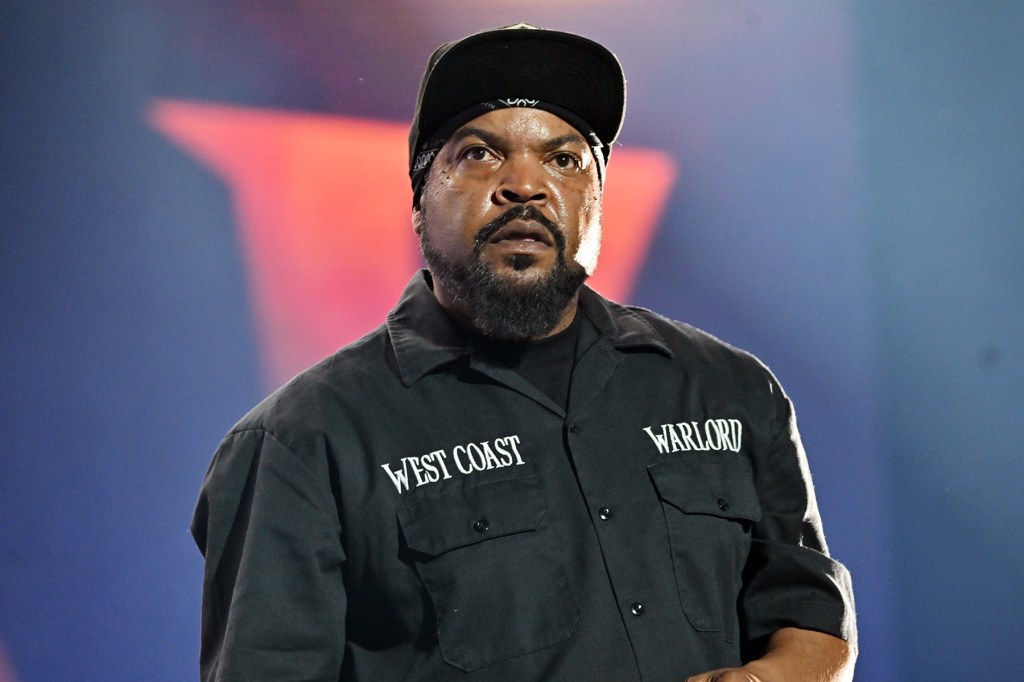
The helicopters slice through the Los Angeles smog, engines roaring like a warning more than a law enforcement tool. Below, families brace themselves, neighborhoods hold their breath, and Ice Cube’s words cut sharper than any headline. “Nobody’s safe,” he declared—not just a critique, but a battle cry etched in the vernacular of a city under siege by its own government’s heavy hand. When the spectacle of power is played out on the streets, what does safety really mean? And who gets to claim it?
This isn’t just another raid. It’s a performance of fear, an overture to division orchestrated in the shadow of politics. Ice Cube, the artist turned cultural barometer, speaks not only for the unheard but for the uncounted, those whose safety is a mirage. His outrage is a mirror reflecting a broader disquiet that ripples beyond immigration status—into the marrow of a nation reckoning with itself. The lines between enforcement and intimidation blur, and in that haze, the most vulnerable become unwilling players.
The Soundtrack of Surveillance
What happens when law enforcement’s presence feels less like protection and more like occupation? The ICE raids are no longer mere policy actions; they have evolved into a narrative device—crafted, timed, and broadcast with political theatre in mind. In a city celebrated for its diversity and dreams, the raids tear at the seams, turning neighbors into suspects and safe havens into zones of anxiety. Ice Cube’s blunt statement, “Nobody’s safe,” captures this collapse of trust with devastating economy.
Safety, after all, is not merely physical—it is psychological, social, existential. And when the state weaponizes fear, it fractures the very idea of community. It forces us to ask: Is the real threat the individuals these raids target, or the system that endorses such acts without regard for the collateral damage to humanity?
No Stage Too Small for Protest
Ice Cube’s voice is neither new nor surprising—what makes it significant is the way he channels cultural power into political resistance. Celebrity activism often risks being dismissed as performative, but here, it resonates because it speaks to lived experience. “Nobody’s safe,” he says again, not as hyperbole but as lived truth. His words ripple through the city’s veins, fueling a collective refusal to accept invisibility as fate.
The raids underscore an uncomfortable truth: enforcement without empathy breeds unrest. Ice Cube’s defiance becomes a beacon not just for immigrants, but for anyone who has felt the sharp edge of a system indifferent to their survival. In the quiet aftermath of helicopters, there is a hum of resilience—a pulse that refuses to be silenced by fear.
As the dust settles on another round of political theater disguised as law enforcement, the question lingers—if safety is so elusive, is it because it was never meant to be shared? Ice Cube’s warning whispers not just to those in the crosshairs, but to every observer willing to listen: in a country that proclaims liberty, the shadow of who remains unsafe tells the real story.




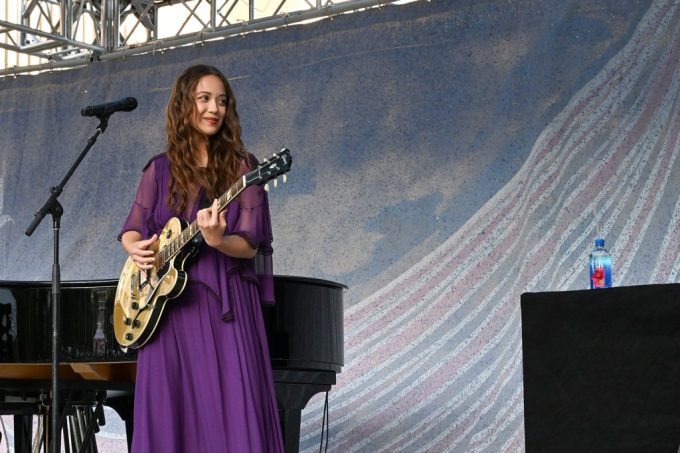
Laufey’s Opening Night Show at LA’s Crypto.com Arena: Best Moments
Laufey opened a two-night stand at Crypto.com Arena in downtown Los Angeles...
Chris Marks6 Mins read
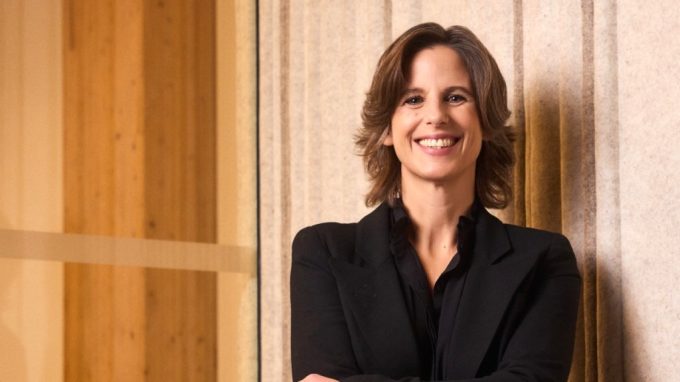
Julie Adam Is Billboard Canada Women in Music’s 2025 Exec of the Year
Julie Adam is having a milestone year — and it’s getting even...
Chris Marks4 Mins read
Spinal Tap Tribute Album with Foo Fighters,Tool for Teen Cancer America
Spinal Tap may be a fake band, but its music is very...
Chris Marks2 Mins read
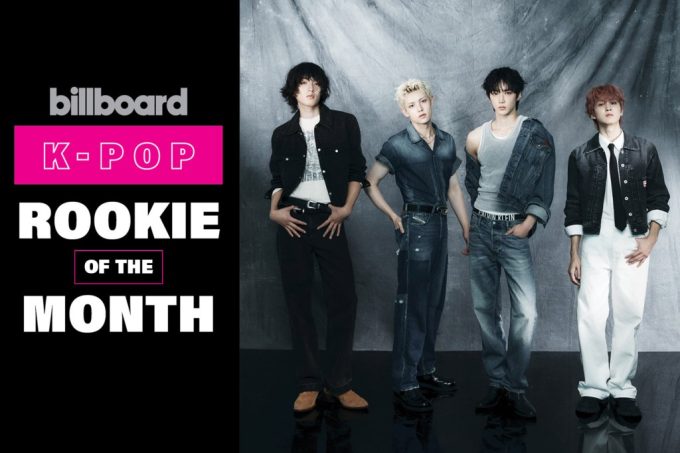
AxMxP Is K-Pop Rookie of the Month for September: Exclusive Photos
Ha Yoo Joon Image Credit: Chin Soyeon You debuted on Sept. 10....
Chris Marks2 Mins read




Leave a comment