

Iceland Airwaves 2025: Reykjavík’s Sonic Alchemy Rises Again
This year, Iceland Airwaves morphs Reykjavík into a cradle of contradictions—uniting the return of Retro Stefson, genre-bending global artists, and incisive industry discourse. What secrets will these chilly streets hold come November?
 Krista FreelandAugust 22, 20251 Mins read17
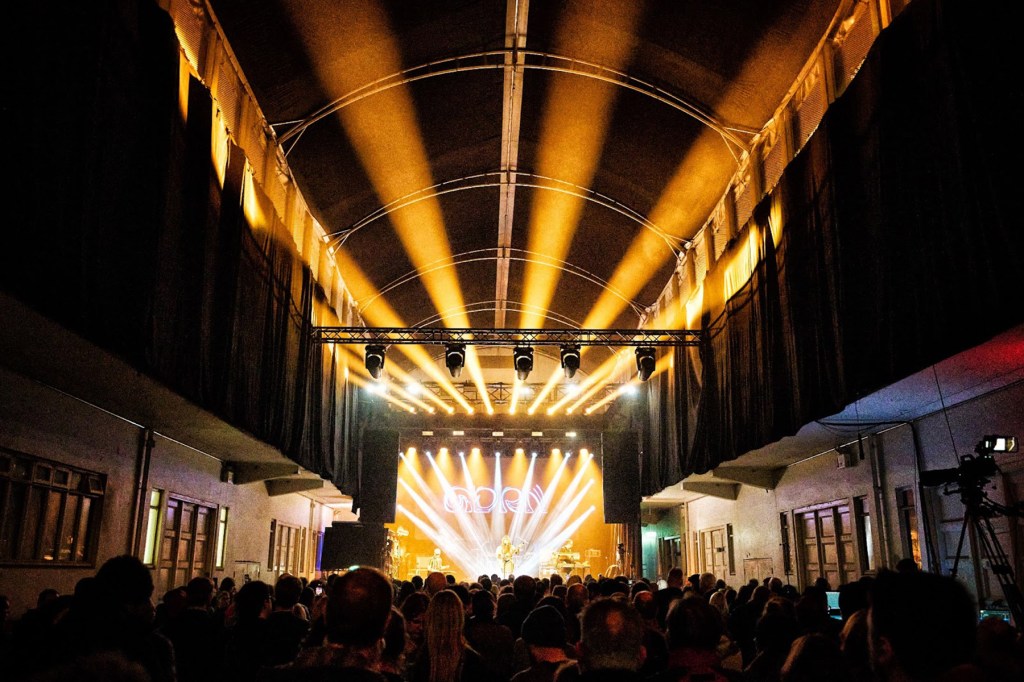
There’s a chill in the air before a single note plays in Reykjavík—like a shiver that promises transcendence.
Iceland Airwaves 2025 isn’t just returning—it’s evolving, unfurling across the city’s grand stages and narrow alleys from November 6 to 8. This annual celebration has never been merely a festival; it’s a rendezvous with the future of music, one whispered in a language both radical and intimate.
This year’s first wave of announcements electrified both locals and jet-setters with 19 homegrown acts, from electro-pop’s Milkywhale to the shadowy pulse of Tófa, reminding us that the island still incubates sound unlike any other. Among the international arrivals standouts include viral rapper ian and TikTok mainstream-maker Kenya Grace, offering a contrast as striking as fire against ice.
Reunion and Resonance
Then came the second wave, and with it, weight. Retro Stefson returns—after a hiatus, now ready to reclaim the Reykjavík night. Tunde Adebimpe, from TV on the Radio, arrives with a solo vision framed by nuance. East London’s Jeshi brings his corner of the streets. Joey Valence & Brae promise to detonatively flip hip-hop expectation. And Mugison, accompanied by Iceland’s symphony, will deconstruct his career in orchestral echo at Harpa, opening doors between indie roots and classical sweep.
This isn’t just programming—it’s storytelling at scale, and authorship carved in contrasts.
Where Culture Meets Strategy
Beyond stages, the festival’s industry conference beckons global minds. Panels will tip into generational discourse, artificial intelligence, and the surreal reality of modern royalty models—speaking not just to rising artists but to those reinventing the machinery. Tiny Tower Sessions, filmed in Reykjavík’s tower, launch an intimate new visual pulse—where bedroom pop meets minimalist cinematics.
Here, art meets collision: creators, curators, disruptors.
Iceland Airwaves 2025 won’t just be heard—it will reverberate, long after Reykjavík’s autumn dusk settles. As the city unfurls its sonic tapestry, the subtle tremor behind each beat asks: Who will notice the fractures before they become the future? And what will happen when we stop listening for echoes and start hearing revolutions?






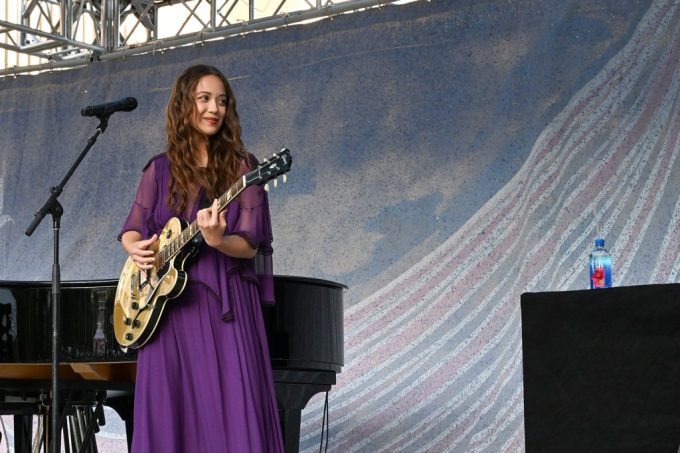
Laufey’s Opening Night Show at LA’s Crypto.com Arena: Best Moments
Laufey opened a two-night stand at Crypto.com Arena in downtown Los Angeles...
 Chris Marks6 Mins read
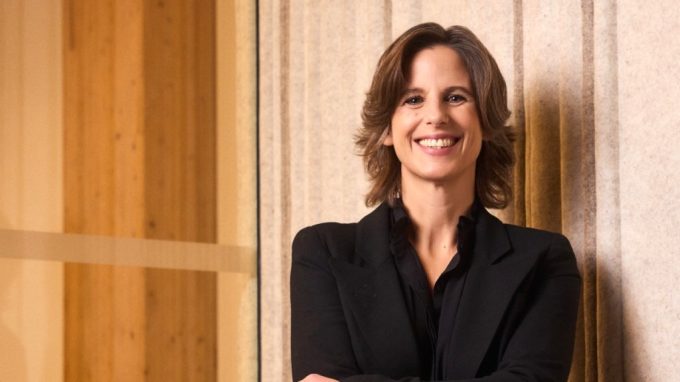
Julie Adam Is Billboard Canada Women in Music’s 2025 Exec of the Year
Julie Adam is having a milestone year — and it’s getting even...
Chris Marks4 Mins read
Spinal Tap Tribute Album with Foo Fighters,Tool for Teen Cancer America
Spinal Tap may be a fake band, but its music is very...
Chris Marks2 Mins read

AxMxP Is K-Pop Rookie of the Month for September: Exclusive Photos
Ha Yoo Joon Image Credit: Chin Soyeon You debuted on Sept. 10....
Chris Marks2 Mins read





Leave a comment