

Iga Świątek’s Path to Redemption: Is the Comeback in Rome a Sign of True Strength?
Iga Świątek, shaken by her shocking defeat to Coco Gauff in Madrid, has rediscovered her rhythm in Rome. But can one victory truly silence the doubts, or does this comeback only reveal the fragility of dominance?
 Kirsten CollinsMay 8, 20253 Mins read34

After a humbling loss to Coco Gauff in Madrid, a loss that shocked the tennis world and left fans and pundits alike questioning her mental resilience, Iga Świątek returned to the courts in Rome like a boxer whose back was against the ropes—eyes fierce, focused, and ready to strike back. But did she truly rise, or was this simply a fleeting moment of reprieve before the inevitable crack beneath the surface? The Roman victory was powerful, yes, but for Świątek, it was more than just another match—it was a declaration. Or, perhaps, a question.
Her struggle against Gauff had been a public one, not just a loss in score, but in reputation. The reigning champion, accustomed to dominance, faced the reality that even the best are vulnerable. The match left an indelible mark, leaving many to wonder: was this the beginning of the end of Świątek’s reign, or merely an inconvenient bump on the road to an inevitable return to the top?
The Weight of Expectations
Victory in Rome—swift, dominant, and clinical—offered Świątek a quiet form of redemption. She played with the intensity and precision that defined her rise, but the real question lingered in the air: was this simply a response to her critics, a reaction to the whispers of doubt after Madrid? Or was this the beginning of something deeper, a reassertion of control after a brief lapse in authority? It was clear that Świątek wanted to prove that her supremacy wasn’t fleeting; that one loss did not define her future.
But beneath this comeback story lies the uncomfortable truth of any champion’s life: the pressure of expectations. Can Świątek truly keep up the same level of dominance that first propelled her to the top? The tennis world is relentless, and the victory in Rome felt almost too perfect—a reflection of the relentless pressure she now lives under. As her performance in Rome grew sharper, a nagging thought began to creep in: was this return a sign of true strength, or was it an attempt to silence her own doubts?
The Gauff Factor: Is Rivalry the New Catalyst?
In the aftermath of her loss to Gauff, questions about Świątek’s mental game resurfaced. The defeat felt like a seismic shift in the WTA rankings—was this the end of Świątek’s unquestioned rule? Or was it simply the beginning of a new chapter, one where fresh rivalries spark the necessary fire to fuel her journey? There’s something almost poetic about the way Gauff’s rise seems to mirror Świątek’s early ascent. But in a sport built on rivalries—who can withstand the most pressure, who will crack when the stakes are at their highest—Świątek’s challenge is just beginning.
“I have to accept that I won’t win every match,” Świątek said, offering a raw glimpse into her psyche. “But I’m going to fight for every point.” In those words lies both the essence of her character and the uncertainty of her place in the WTA landscape. Is this new rivalry with Gauff a chance for Świątek to sharpen her competitive edge, or will it forever haunt her, forcing her to revisit the limits of her ambition? There’s something intoxicatingly uncertain about the way these two young stars are orbiting each other, and the question isn’t just who will win the next encounter. It’s whether Świątek, whose composure has been as much a part of her identity as her game, can recover every time she is pushed to the brink.
As Świątek stands tall again in Rome, the stakes are raised. Her next moves will not only determine her place in history, but will also confirm if she can reign with the same force, or if the weight of the tennis world will slowly crack her foundation. The victory in Rome was not a signal of her permanence—it was merely a pause before the final test.
What happens when a champion is no longer certain of their own invincibility? Will Świątek’s story become one of redemption, or a constant push against the tide of uncertainty that every top player faces? And in that tension between triumph and doubt, where does true strength lie?






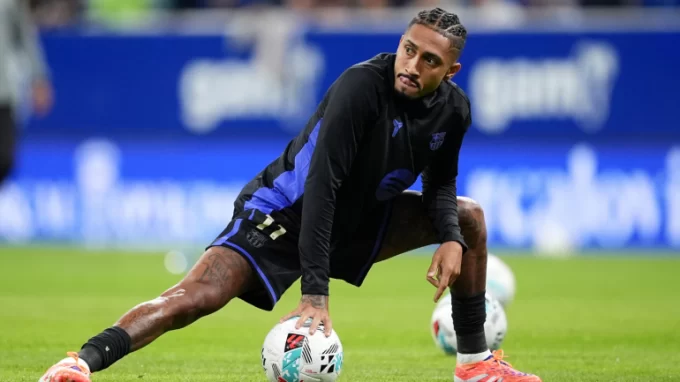
Barcelona’s Fragile Pursuit: When Injuries Threaten More Than Just a Season
A silence spreads over Camp Nou that no roar can drown out—two...
 Chris Marks2 Mins read
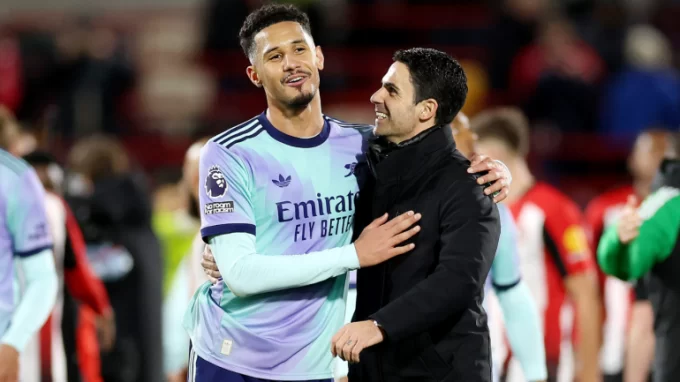
William Saliba: Arsenal’s Silent Architect or Its Greatest Gamble?
The air inside the Emirates shifts with unspoken tension—William Saliba, once a...
 Joseph Bennett2 Mins read

Joel Embiid’s Quiet Confidence: Is the 76ers’ Giant Ready to Rewrite His Story?
Joel Embiid is rarely one to make noise without purpose, and now,...
Kirsten Collins1 Mins read
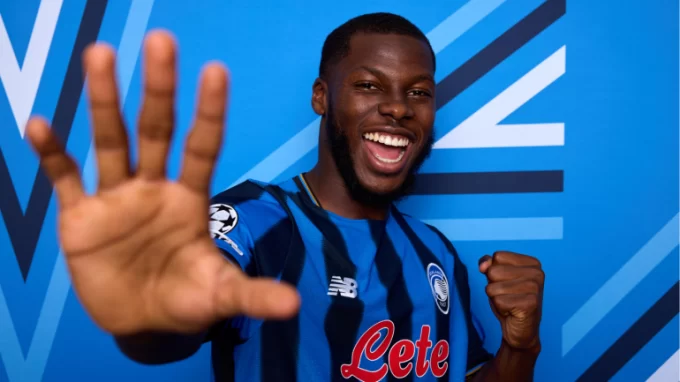
Juventus, Atalanta, and Arsenal’s Quiet Revolution: What’s Really Shaping This Week in Football?
The roar of Serie A stadiums masks a subtle shift, one that...
Kirsten Collins2 Mins read





Leave a comment