

Import Smarter, Not Harder: How Modern Businesses Are Slashing Global Costs Without Cutting Corners
From tariffs to shipping to last-mile chaos, importing is more expensive than ever. But smart businesses are finding new ways to trim the fat—without sacrificing quality or speed.
 Kirsten CollinsApril 8, 20251 Mins read137
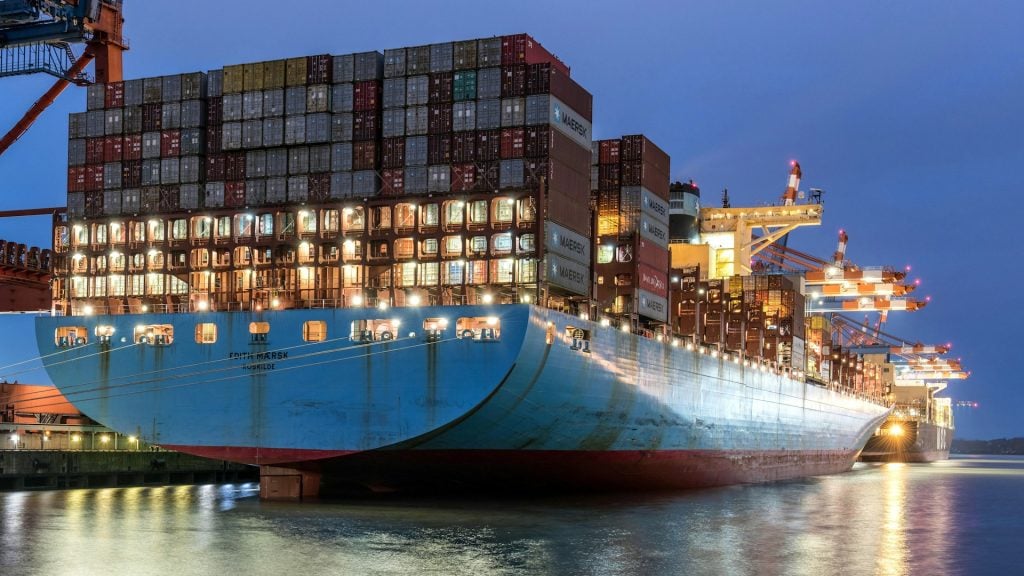
Every invoice tells a story—and lately, it’s one of climbing costs. Between freight inflation, supply chain delays, and geopolitical tariffs, importing goods has become a minefield for businesses of every size. But where chaos expands, efficiency evolves.
Smart businesses aren’t abandoning global trade. They’re refining it.
The difference isn’t always in scale—it’s in strategy.
Freight, Fees, and Fixes: Where the Real Savings Live
First, there’s logistics. Importers are getting creative with consolidated shipping, combining smaller loads to reduce per-unit cost and avoid under-capacity penalties. Others are shifting ports or favoring regional hubs that shorten last-mile delivery timelines. It’s less about cutting corners, more about cutting distance.
Customs duties are another opportunity. Savvy businesses are reclassifying products under harmonized tariff codes that lower rates—legally. Some are shifting suppliers to countries with preferential trade agreements, reducing or eliminating duties altogether.
Then there’s timing. Ordering seasonal goods too late inflates air cargo fees. Ordering too early means higher warehousing costs. The smartest importers now use AI forecasting tools to hit the shipping “sweet spot,” where production and transit align like clockwork.
Beyond Cost: Thinking Long-Term Efficiency
Price is only part of the equation. Businesses looking to truly future-proof their importing models are building diversified supplier networks. Relying on one country—especially one in geopolitical flux—isn’t just risky. It’s expensive when things go wrong.
Others are exploring nearshoring or friendshoring—sourcing from politically aligned or geographically closer countries to reduce risk and increase responsiveness. Less uncertainty, fewer surcharges.
Finally, smart importers are investing in relationships. Freight forwarders, customs brokers, and compliance consultants may seem like overhead, but they often spot savings opportunities that internal teams miss. In a global market, navigation is everything.
- Costs
- customs duty reduction
- Cut
- cut import costs
- freight cost cutting
- global shipping cost tips
- global sourcing efficiency
- how to save on imports
- import optimization 2025
- import savings strategies
- importing goods affordably
- Imports
- international supply chain savings
- reduce import taxes
- small business import strategy
- Smart
- smart importing tactics
- Ways








How Much Will Trump’s Policies Really Cost Wall Street?
When Donald Trump first took office, his policies were sold as a...
Kirsten Collins2 Mins read

Milken 2025: The Party of the Rich, Amid a World Falling Apart
The night was electric in a way that only a private, star-studded...
 Joseph Bennett3 Mins read

Buffett, Cook, and the Quiet War for America’s Soul
There was a moment, barely a second long, when Warren Buffett’s smile...
Joseph Bennett3 Mins read

The Deception Behind the Deal: How Bait-and-Switch Pricing Is Shaping Our Desires
It’s the perfect price—a promise of a deal that seems too good...
Joseph Bennett3 Mins read




Leave a comment