

“In a Good Place”: What the TikTok Deal Really Signals About U.S. Tech Power Plays
The U.S. Vice President says progress on a TikTok deal is “in a good place.” But in the opaque dance between politics, data, and global influence—what does that really mean?
 Krista FreelandApril 3, 20251 Mins read38
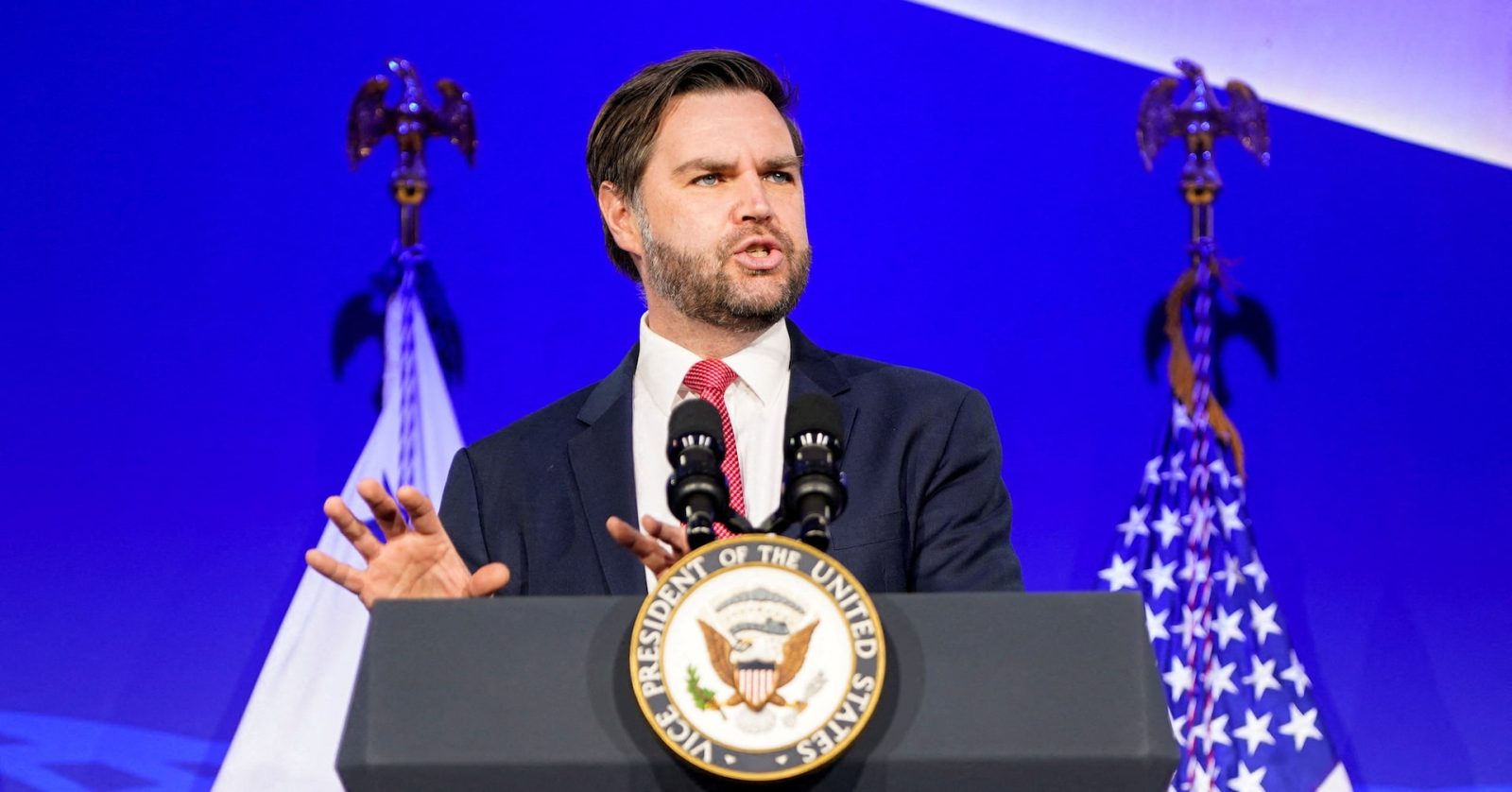
“In a good place.” It sounds benign, diplomatic—like something said at a fundraiser between soft jazz sets and handshakes. But when it comes to TikTok, a Chinese-owned app tangled in Washington’s thorniest questions about privacy, propaganda, and platform power, those four words carry geopolitical voltage.
This week, U.S. Vice President Kamala Harris offered the phrase as a status update on ongoing negotiations to reshape TikTok’s ownership and data control. On the surface: calm. Behind the scenes: far from it.
A Platform, a Proxy War
TikTok isn’t just an app—it’s a battleground. Its addictive scroll and cultural reach make it one of the most powerful information pipelines in the world. Which is why U.S. lawmakers, both left and right, continue to view it with suspicion. The core fear? That ByteDance, its Chinese parent company, could be compelled to hand over American user data to Beijing.
What “a good place” really means is that the U.S. may be nearing a compromise: a forced divestment, a U.S.-based data firewall, or something murkier—ownership by proxy, governed in part by American oversight and in part by unspoken trust.
One policy advisor noted, “There’s no precedent for this. We’re not just regulating an app—we’re trying to decouple influence from infrastructure.”
The Shape of Control to Come
While the phrase sounds promising, it masks a truth: the U.S. still hasn’t decided what future it wants for foreign-owned tech operating on domestic soil. A full ban? Too disruptive. A sale? Legally complex. A regulatory leash? Potentially toothless.
And meanwhile, TikTok’s influence grows—spawning trends, swaying elections, shaping cultural narratives in ways that lawmakers struggle to quantify, much less control.
So when the Vice President says we’re “in a good place,” the real question is: for whom?
For TikTok, still thriving. For lawmakers, buying time. For the public? Still largely in the dark.
“In a good place” may soothe headlines, but it doesn’t end the story.
In fact, it may only signal how carefully the next chapter is being written—offscreen.





Microsoft Is Cutting Thousands of Employees Across the Company
Microsoft Corp. said it will cut thousands of workers with a focus...
 Kirsten Collins1 Mins read
Intel Certifies Shell Lubricant for Cooling AI Data Centers
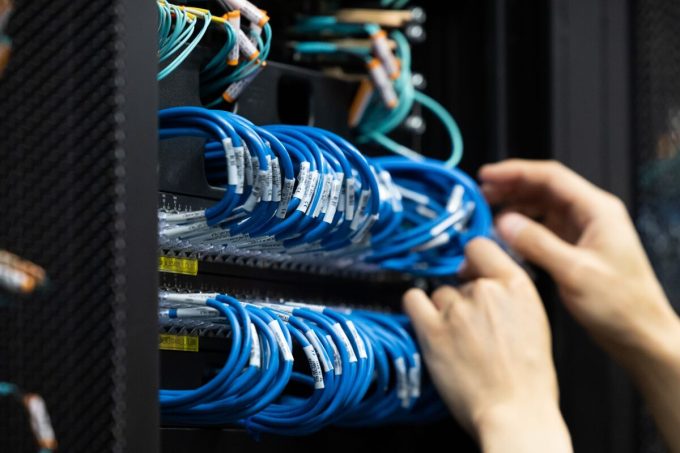
Intel Corp. has certified Shell Plc’s lubricant-based method for cooling servers more...
Kirsten Collins1 Mins read
UBS’s Lo Says Investors Diversifying From US to Gold, Crypto
UBS Group AG’s rich clients are increasingly shifting away from US-dollar assets,...
Kirsten Collins1 Mins read
Microsoft Among Software Stocks Offering Haven in Tariff Chaos
As the Trump administration’s trade war clouds the economic outlook, software stocks...
Kirsten Collins1 Mins read





Leave a comment