

The Afterglow: What Happens When a Star Dies Too Quietly?
2025 has taken from us not just celebrities—but symbols. As we lose the glitter, who mourns the myth?
 Joseph BennettAugust 7, 20252 Mins read13
She died on a Tuesday, and by Thursday she was already a trivia question. The face that once launched a thousand tabloids now flickered quietly through a grayscale slideshow between ad breaks. We mourn fast now—hashtag condolences, carousel tributes, swipe, swipe, swipe. By the time the algorithm remembers you, you’re already gone again.
And yet 2025 has felt… heavier. A strange ache, not from the quantity of names lost but from their gravity. These weren’t just celebrities—they were architectures of feeling. Names like Angela Bassett, Paul Schrader, Cicely Tyson (again, we remember her only to re-forget). They carried decades, eras, revolutions in their voices, gestures, imperfections. When they vanished, they took the texture of entire decades with them. We don’t just lose people. We lose the possibility of remembering them right.
The Sound of Fame Fading
What’s eerie isn’t death. It’s silence. Fame used to linger, didn’t it? In dusty VHS bins, midnight reruns, the bottom shelves of bookstores. But now we bury icons in pixels. If the TikTok eulogy doesn’t land, the legacy doesn’t last. Where’s the hunger to revisit, rewatch, reread? Are we so high on now that we’ve forgotten how to miss?
A Hollywood publicist, who asked not to be named (because they always ask not to be named), put it bluntly: “Obituaries used to be events. Now they’re just scheduling conflicts.” Even the most stylized deaths—red carpet-worthy tragedies—are reduced to thumbnails on a newsfeed that never pauses long enough for grief.
We Grieve in Public. But Do We Remember in Private?
The most unsettling part? The performance of mourning has replaced its substance. We’re all fluent in RIP culture now. We repost, we quote, we perform “respect” in captions, even if we never knew the artist beyond their meme. A digital shrug in the shape of nostalgia. But who is really revisiting these lives beyond the headlines?
The death of a celebrity used to mark time—Elvis, Lennon, Whitney. Today it feels like background noise. Perhaps it’s not the stars who are vanishing, but our attention that’s gone extinct. There’s no cinematic swell, no long fade-out. Just the algorithm deciding who we grieve.
And in that, something far more terrifying emerges: not the death of fame, but the death of memory.
We started with a face disappearing on a Tuesday. Maybe it’s time we stopped scrolling past it. Maybe we should wonder not just who we’ve lost—but how we’ve learned to forget.
What happens when the spotlight cuts out… and no one notices the stage has gone dark?





When Mercy Meets Tragedy: The Widow Who Forgave Her Husband’s Killer
The air thickens when forgiveness enters a room meant for grief. Imagine...
 Chris Marks1 Mins read
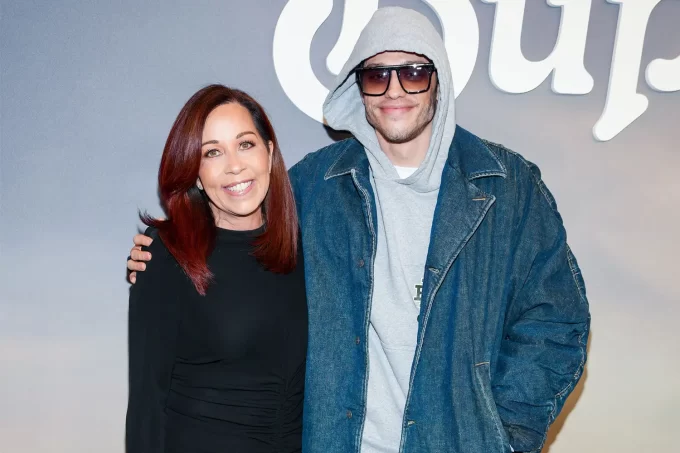
When Fear Became a Lifeline: Pete Davidson’s Reckoning in Rehab
There’s a silence that follows a mother’s voice when she confesses her...
Joseph Bennett1 Mins read
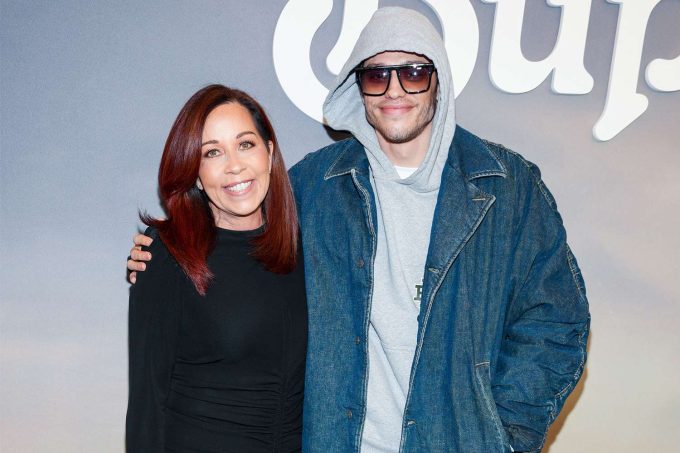
Pete Davidson’s mom told him in rehab worst fear was learning he died
Pete Davidson is opening up about the heartbreaking moment he had with...
Chris Marks2 Mins read
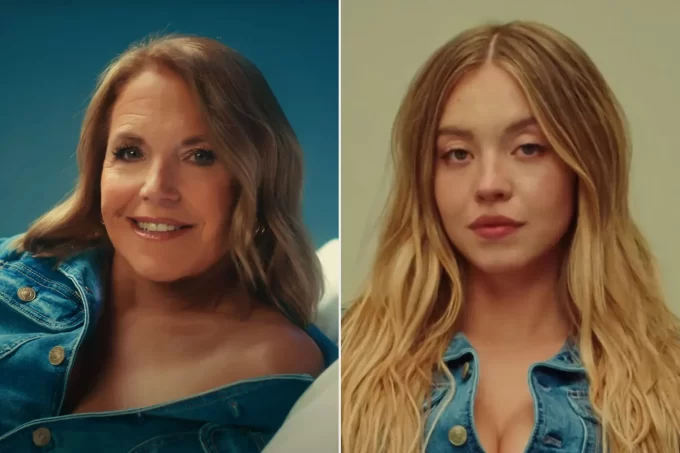
Katie Couric’s Unexpected Spin on Sydney Sweeney’s American Eagle Ad: What’s Really Being Said?
Katie Couric stepping into a scene dominated by Gen Z glamour feels...
 Krista Freeland2 Mins read




Leave a comment