

The Freestyle Coup: Denzel’s Rap Battle That Changed the Game
An elusive film moment unfolds—an Oscar titan freestyling against a Harlem rapper—and suddenly, a scene becomes seismic.
 Joseph BennettAugust 15, 20252 Mins read19
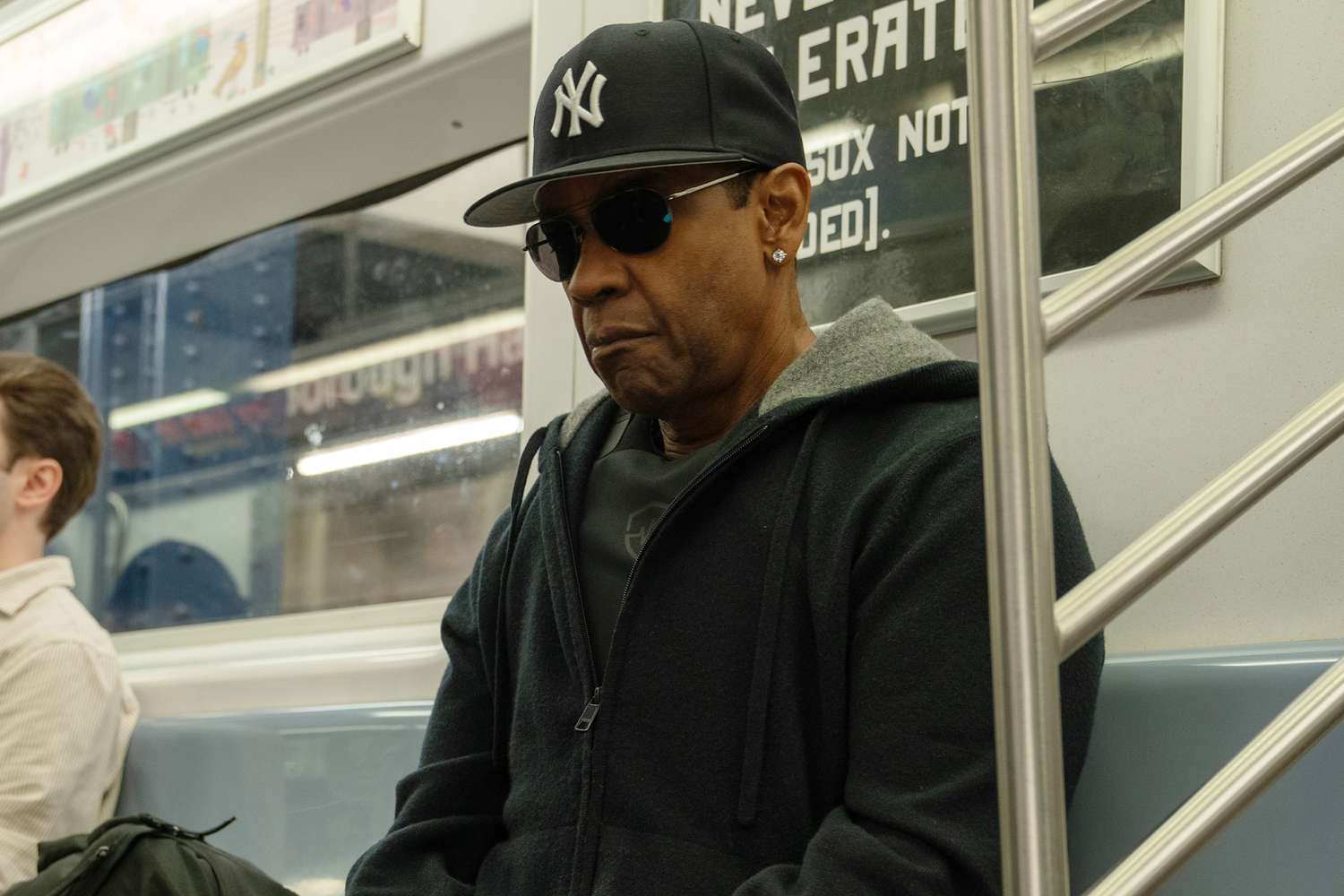
David Lee/A24
The studio is half‑lit, a gravely silent room fettered by anticipation—and then Denzel leans into the mic, with sly, effortless precision, riffing lines not written but summoned: Nas, Tupac, DMX lick the air in those scraps of memory—hip‑hop cathedral echoes that stop a rapper in his tracks.
In Highest 2 Lowest, David King, a music mogul played by Washington, corners Yung Felon, played by A$AP Rocky, in what was meant to be a scripted confrontation—but then David devolves into spontaneous art. Rocky admits, with almost stunned reverence, “I lost a rap battle to this man. And I’m a professional f––– rapper.” There’s no malice, only awe, as Denzel quips, “I’m using other people’s material… And I’ve been practicing.” Every syllable slows time.
The moment stops the scene—not because it was anticipated, but because it uproots expectations. Spike Lee, their fifth collaboration since Inside Man, called it “gold,” a moment “better than anything written,” and captured live by cameras unblinking as the actors unraveled and remade the moment in real time.
they call it The Freestyle Coup
Here, with the roar of improvisation, the film detonates two worlds: cinema of weight, and the breathless, raw nerve of rap. That space between the scripted and the spontaneous becomes a battleground and a confluence. New York, crime noir, generational collision—alive in cadence and swagger.
A rapper turned actor stands before a screen legend, not intimidated, but caught in the coil of improvisation that only happens when the stage is real. Rocky recalls that Denzel, at 70, could still summon Moneybagg Yo with divine ease, prompting him to ask, “How does this man know who Moneybagg Yo is?” And Denzel’s simple grin: “And I’m 70.” A playful paradox—a master of classic craft wielding new rhythm.
It’s the film’s electrifying heartbeat, where the movie refuses to be tamed by expectation—and the legacy of a Black mogul hums against a new generation’s insurgent rhythms. That fleeting freestyle is not just a setpiece; it’s a cultural collision as kinetic as a subway train at rush hour, its reverberations felt long after the credits roll.
What if that exchange is not a scene, but a manifesto? A testament to craft that spans decades, marrying earnest reverence for genre with the instinct of a man who has absorbed it all—and can channel it when the moment demands.
The film premieres theatrically August 15 and lands on Apple TV+ September 5. But that moment—the freestyle that fractures narrative expectation—is already its most enduring scene. An Oscar-winner in a rap battle, unchoreographed, unleashed—and yet perfectly aligned with something cosmic.
Leave the theater murmuring—not over plot, but over the audacity that defines art when it steps off the page and into air, uncontained. We’re left asking not, “What happens next?” but, “What else remains unscripted?”


When Are the Oscars 2026? Date of the Academy Awards – Hollywood Life
Image Credit: AFP via Getty Images The Oscars are officially on the...
 Kirsten Collins1 Mins read
Ticket Prices & Presale Details – Hollywood Life
View gallery Image Credit: Dave J. Hogan/Getty Images Harry Styles is embarking...
Kirsten Collins2 Mins read
Where Is Lawrence Jones on ‘Fox & Friends’? Health Update Amid Hiatus – Hollywood Life
Image Credit: Getty Images Fans of Lawrence Jones, a Fox & Friends...
Kirsten Collins1 Mins read
Who Is Lexi Minetree? 5 Things to Know About the ‘Elle’ Series Actress – Hollywood Life
View gallery Image Credit: Getty Images for Hello Sunshine Lexi Minetree plays...
Kirsten Collins2 Mins read



Leave a comment