

The Sound South Africa Never Buried
On International Jazz Day 2025, South Africa didn’t just celebrate music—it resurrected memory, defiance, and a dangerous kind of beauty. But whose freedom, exactly, are we applauding?
 Kirsten CollinsApril 30, 20252 Mins read29
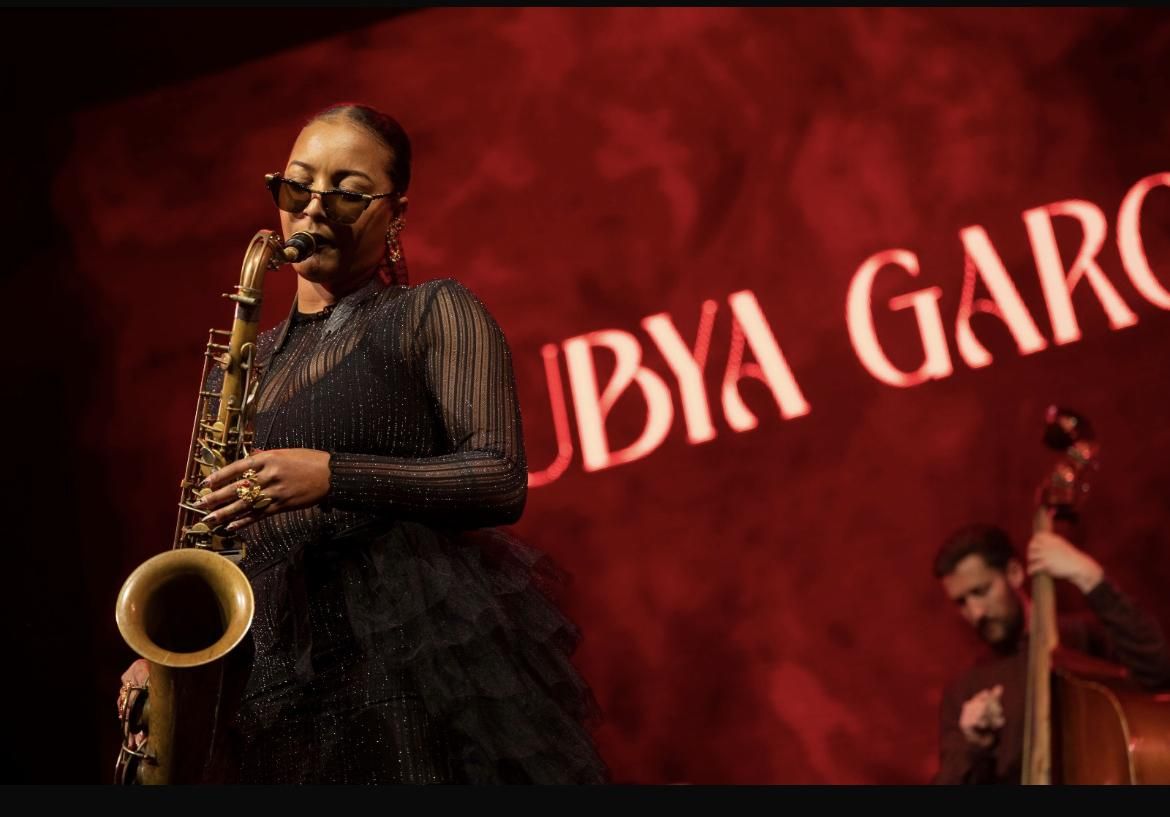
They played like ghosts had taken over their fingers—notes that didn’t shimmer, but sliced. It was the kind of sound that forces you to look inward, then outward, then back again. On April 30th, under velvet night skies in Cape Town and Johannesburg, International Jazz Day became less a concert and more a séance. This wasn’t entertainment. It was remembrance disguised as rhythm.
Jazz in South Africa has never been just a genre—it’s been a code, a weapon, a whisper in the dark when speaking aloud meant exile or worse. The world celebrated its “freedom through improvisation,” but here, every trumpet wail echoes from somewhere else: a detention cell, a funeral procession, a love letter passed between lines. The global narrative often packages jazz in elegance and smoke. But in South Africa, it was once blood and brass.
Where the Horn Speaks Louder Than the Law
The music on stage this year felt deliberate, almost defiant. Not slick. Not nostalgic. Performers—some legendary, some quietly emerging—played like they were translating trauma into harmony. Abdullah Ibrahim’s presence hovered like a blessing no one dared name. A single pianist muttered mid-set, “We don’t improvise for applause. We improvise to remember.”
And then there was the question no one asked publicly, but everyone felt in the spaces between solos: is jazz still ours?
The commodification of pain wrapped in global programming risks neutering the very essence of South African jazz. When a genre born from resistance becomes packaged for cultural diplomacy, who remains its true audience? Who gets to claim this freedom, this fire?
A Drumbeat Between Memory and Myth
The irony of international recognition is how it often erases the very intimacy it seeks to honor. Freedom becomes themed. Pain becomes curated. And jazz—the messy, human cry of defiance—becomes a photo op. The UNESCO stage was flawless. But perhaps it was too flawless. Because South African jazz, at its truest, has always had a bit of dirt beneath its nails.
Still, the night offered flashes of something raw. A young saxophonist from Khayelitsha blew like he didn’t trust tomorrow. A vocalist invoked Makeba, not through mimicry but through refusal: “I will not sing soft.”
What remains after the last note, though, is the ache. Jazz was never meant to be a monument—it was a mirror. And on this night, South Africa held it up not just to itself, but to the world. What it reflected wasn’t always flattering. But it was real.
And maybe that’s the point. Maybe freedom, like jazz, should never be fully in tune.
- Abdullah Ibrahim
- African heritage and music
- African jazz legends
- artistic freedom in Africa
- Cape Town jazz scene
- cultural memory South Africa
- global jazz celebration
- Hugh Masekela
- International Jazz Day 2025
- jazz and apartheid
- jazz and freedom
- jazz as resistance
- jazz festivals 2025
- jazz political power
- Miriam Makeba
- South African jazz
- South African music history






Laufey’s Opening Night Show at LA’s Crypto.com Arena: Best Moments
Laufey opened a two-night stand at Crypto.com Arena in downtown Los Angeles...
 Chris Marks6 Mins read
Julie Adam Is Billboard Canada Women in Music’s 2025 Exec of the Year
Julie Adam is having a milestone year — and it’s getting even...
Chris Marks4 Mins read
Spinal Tap Tribute Album with Foo Fighters,Tool for Teen Cancer America
Spinal Tap may be a fake band, but its music is very...
Chris Marks2 Mins read
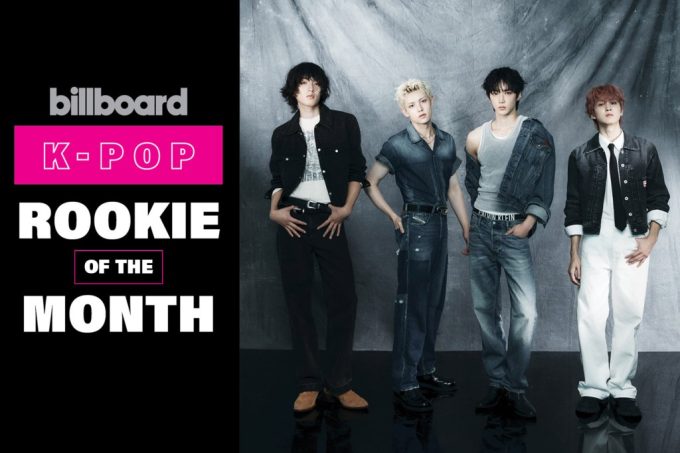
AxMxP Is K-Pop Rookie of the Month for September: Exclusive Photos
Ha Yoo Joon Image Credit: Chin Soyeon You debuted on Sept. 10....
Chris Marks2 Mins read





Leave a comment