

Ariel Winter, the Predator Hunter No One Saw Coming
The former Modern Family star has traded red carpets for covert operations, joining vigilante-style sting missions to expose child predators—and suddenly, the spotlight feels like the least dangerous place she’s ever stood.
 Chris MarksMay 7, 20252 Mins read166

She doesn’t wear a wire. That’s not her style. She slips into the role like slipping into character—except this time, the stakes aren’t awards season, they’re the unfathomable seconds before a predator walks into a trap.
Ariel Winter, the 26-year-old actress best known for her acerbic wit and confidence on Modern Family, now spends her nights engaged in a darker kind of performance art. Posing as a teenager online, she lures child predators into digital conversations, collecting evidence alongside nonprofit investigators. There’s no script. Just a camera, a team, and a kind of rage that doesn’t age with fame. “It’s scary,” she admits, “but what’s scarier is doing nothing.” So why is Hollywood’s former ingénue now playing bait in sting operations designed to unearth the ugliest corners of the internet? Maybe the better question is: why aren’t more of them doing it?
Where the Spotlight Can’t Reach
It’s not a publicity stunt. There are no stylists backstage, no publicists prepping a release. These operations are raw, half-lit, and real. Winter embeds herself with organizations that specialize in catching online predators by pretending to be minors. She chats. She waits. And when the trap springs, she’s watching—not as a performer, but as a witness.
The cultural tension here is delicious and disturbing. We expect actors to act. But when they use their fame to cross into territory that law enforcement itself often finds too gray to navigate, we start asking different questions. Do they have the training? The authority? The right?
Yet Ariel isn’t asking for permission. She’s asking for change. And her fame is her weapon—turning silence into scandal, turning apathy into noise. The question that lingers isn’t whether she should be doing this. It’s whether the rest of us should be helping her.
Fame, Fear, and the Female Vigilante
It’s not the first time we’ve seen a celebrity cross into dangerous real-world territory, but it may be one of the most morally unsettling. There’s a long tradition of actresses who reinvent themselves as activists—but rarely do they infiltrate rooms where real monsters wait. Winter has joined the unscripted ranks of civilian operatives, where danger isn’t filtered through a lens, and the villains don’t bother with makeup.
It’s tempting to romanticize her as a new kind of superhero. But Winter is more complicated than that. She’s not saving the world. She’s disrupting it. And disruption, unlike fame, leaves bruises. “It’s not about being brave,” she says, almost annoyed. “It’s about being angry.”
The imagery is cinematic, but the truth isn’t glossy. These aren’t TV sting operations; they’re underfunded, often legally precarious efforts by grassroots groups—people with laptops, burner phones, and bottomless conviction. And now, Ariel Winter is one of them.
She may have grown up in front of America, but this version of her isn’t performing for it.
—
So how do we categorize her now? Actress? Activist? Vigilante? Or something else entirely—a mirror, perhaps, held up to a society that only reacts when its beautiful people start shouting?
When the next sting drops, there may be another predator exposed. Another child saved. But we should ask ourselves what it says about us—that it took a sitcom star to go hunting in the shadows.
- Amy
- Ariel Winter
- Ariel Winter activism
- Ariel Winter child predators
- Ariel Winter exclusive
- Ariel Winter investigation
- Ariel Winter real life
- Ariel Winter undercover sting
- Ariel Winter vigilante missions
- Baldwin
- Book
- Calls
- Celebrity
- celebrity justice work
- celebrity vigilante
- child predator sting operations
- Modern Family star now







When Mercy Meets Tragedy: The Widow Who Forgave Her Husband’s Killer
The air thickens when forgiveness enters a room meant for grief. Imagine...
Chris Marks1 Mins read
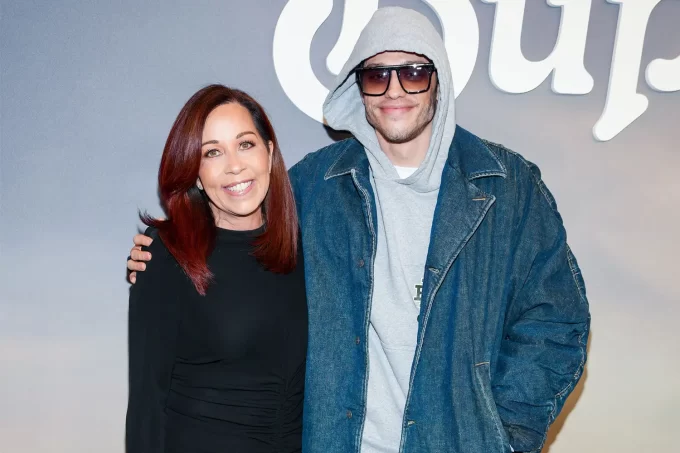
When Fear Became a Lifeline: Pete Davidson’s Reckoning in Rehab
There’s a silence that follows a mother’s voice when she confesses her...
 Joseph Bennett1 Mins read
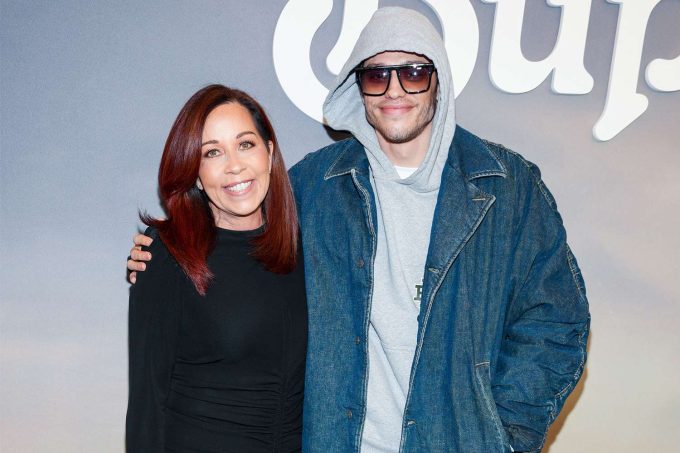
Pete Davidson’s mom told him in rehab worst fear was learning he died
Pete Davidson is opening up about the heartbreaking moment he had with...
Chris Marks2 Mins read

Katie Couric’s Unexpected Spin on Sydney Sweeney’s American Eagle Ad: What’s Really Being Said?
Katie Couric stepping into a scene dominated by Gen Z glamour feels...
 Krista Freeland2 Mins read





Leave a comment