

When Friendship Trembled at the Buzz: Stone’s Bold Cut, Lawrence’s Quiet Hesitation
A friendship tested by shears—and what that reveals about art, identity, and emotional inheritance. Two Oscars. One daring transformation. And one friend who held back the scissors.
 Joseph BennettAugust 12, 20252 Mins read14
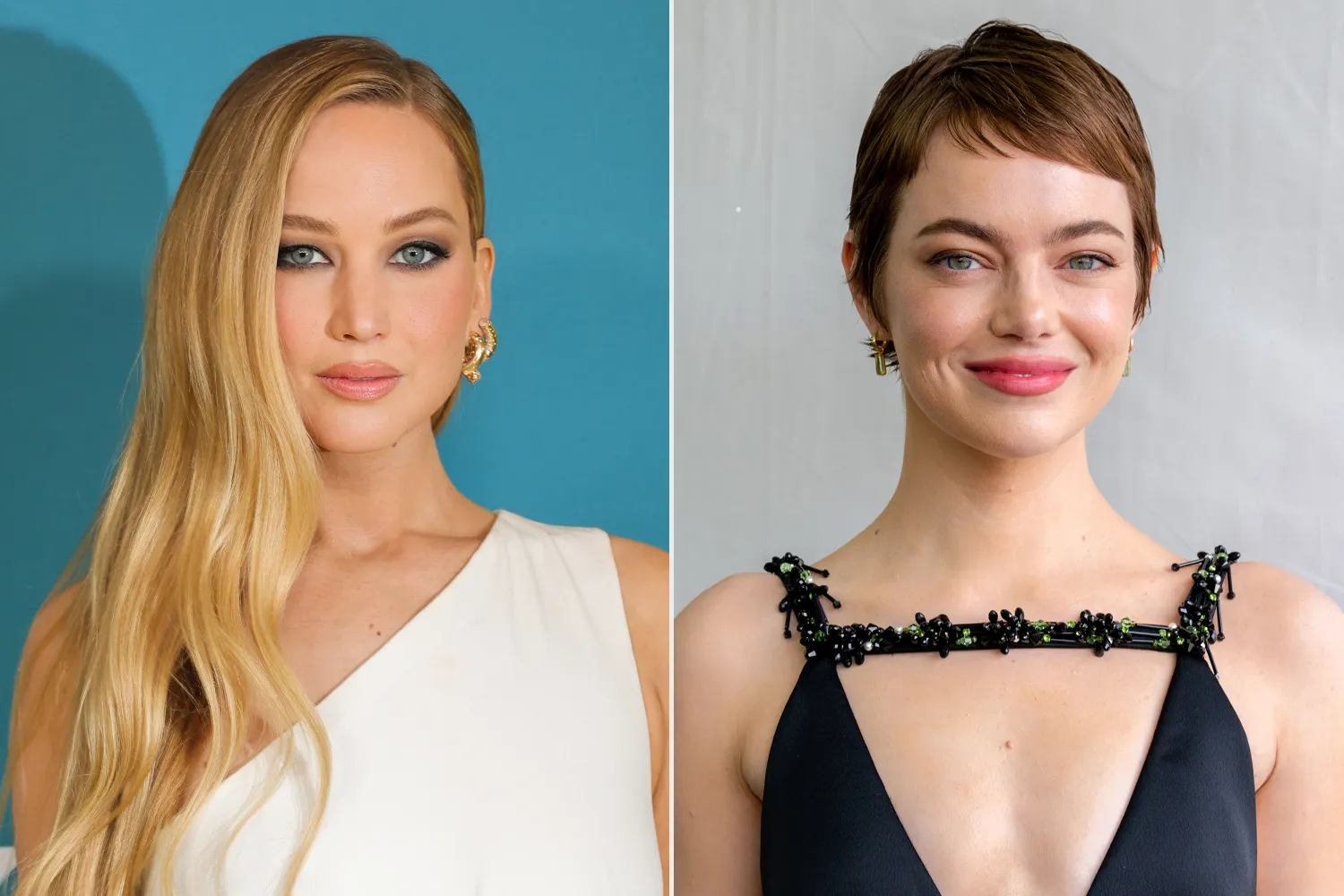
She stood there, in the dim light of the salon setup inside the back of a Range Rover, her amber curls cascading momentarily—then gone. That instant, when the scissors whispered against bare flesh, felt like betrayal and liberation rolled into one.
In that moment, Jennifer Lawrence’s email to Vogue crackled with protective hesitation: “I really didn’t want her to shave her head. I had already lived through the Billie Jean King haircut.” Her words folded baggage and love into a single, unguarded confession. And yet, as the final lock fell, Lawrence’s stance softened. “Honestly, she looked beautiful,” she added later. “She pulled it off.”
Meanwhile, Emma Stone wasn’t grappling with vanity—or publicity. She was hacking at symbols, emotional ghosts, and generational memories. The shave wasn’t just a costume change—it was a visceral reclamation. “The first shower when you’ve shaved your head? Oh my God, it’s amazing,” she confessed, voice crackling with raw joy. Yet the razor bent memory back to another time: her mother, Krista, navigating breast cancer. Stone’s impulsive thought echoed: “She actually did something brave. I’m just shaving my head.”
“Bugonia”—a surreal, sci-fi-tinged dark comedy directed by Yorgos Lanthimos—unveils a pharmaceutical CEO abducted by conspiracy theorists, who ransom her identity by shaving her hair in the backseat of a stolen car. It’s cinematic audacity, but also a statement that bleeds into real skin. Stone emerged on the Golden Globes red carpet post-buzzcut, sporting a pixie that whispered rebellion and grandeur.
A Quiet Rumble Inside the Frame
There’s unspoken tension between friendship and art. Lawrence’s initial no came from concern, fear, perhaps legacy: she had watched Stone don that Billie Jean King wig seven years ago in Battle of the Sexes and braced for repeat emotional strain. But when the image landed—Stone, bald and commanding—Lawrence was silent converted: admiration eclipsed anxiety.
For Stone, the haircut was more than role prep—it was a reclamation of fragility. She joked her mother was “so jealous” of her shaved chic, an uncanny twist on survival and style. Her Hollywood glam and domestic depth collided in every gleaming strand—or absence of it.
As the narrative arcs back to that first razor snip, the reader is left lingering in that charged pause: Where does bravery end and performance begin? And when a friend balks, what does it mean to truly support transformation—or to let it unfold?






Where Is Liam Conejo Ramos Now? Updates on 5-Year-Old’s ICE Detainment – Hollywood Life
Image Credit: Getty Images Liam Conejo Ramos came home from preschool while...
 Kirsten Collins2 Mins read
Who Is Harry Styles’ ‘Aperture’ About? Breakdown of the Lyrics – Hollywood Life
View gallery Image Credit: Getty Images We’ve doing doing all this late...
Kirsten Collins1 Mins read
When Are the Oscars 2026? Date of the Academy Awards – Hollywood Life
Image Credit: AFP via Getty Images The Oscars are officially on the...
Kirsten Collins1 Mins read
Ticket Prices & Presale Details – Hollywood Life
View gallery Image Credit: Dave J. Hogan/Getty Images Harry Styles is embarking...
Kirsten Collins2 Mins read




Leave a comment