

The Idols Who Slay Demons—And Maybe Hollywood, Too
Rumors of a sequel to K-Pop: Demon Hunters have ignited a global fanbase—but beneath the glitter and gore lies a deeper fascination: why does this hyper-stylized spectacle feel eerily prophetic?
 Joseph BennettJuly 31, 20251 Mins read24
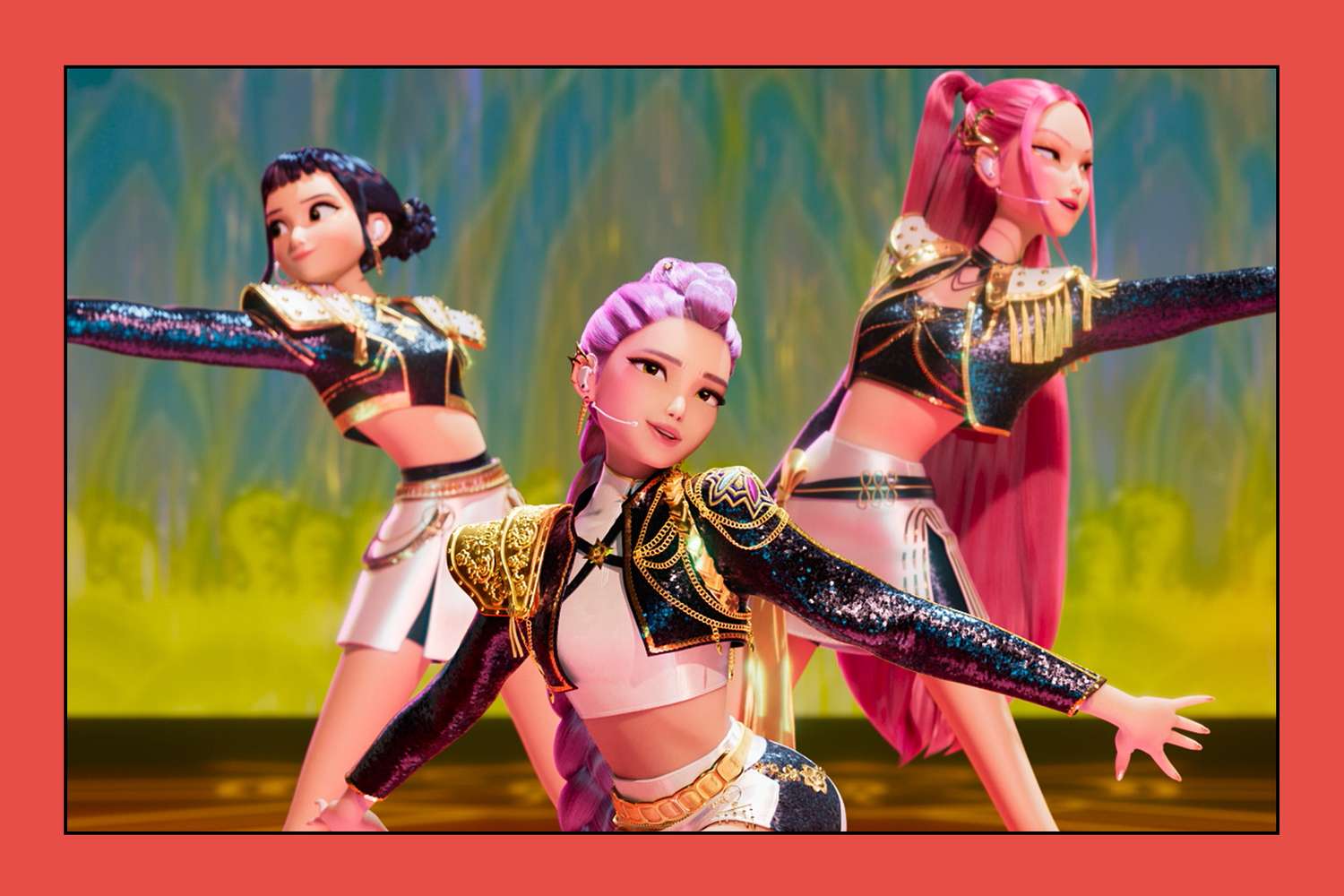
Netflix
They weren’t just performing—they were purging. Two leather-clad idols, eyes sharp with prophecy, launched themselves through demons like choreography made for the end of the world. And somehow, amidst the carnage, the soundtrack slapped. K-Pop: Demon Hunters didn’t just blur the lines between idol and avenger—it obliterated them with the same finesse its heroines used to split a monster in half.
Now, whispers of a sequel swirl across fan accounts and entertainment rags, and one question lingers in the smoke: are we watching the birth of a franchise—or a spiritual awakening disguised as bubblegum chaos?
Glitter, Gore, and the Gaze of the West
K-Pop has always been a projection—of perfection, of longing, of unreachable light. But Demon Hunters did something different. It gave K-pop idols teeth. It took the fantasy and pushed it into myth. Not the soft myth of love songs and dance practice, but the hard, ancient one—warrior goddesses, infernal beasts, holy vengeance, and pop hooks that feel like spells.
Fans didn’t just cheer. They translated. They theorized. They consecrated each frame like scripture. “It’s Sailor Moon meets Kill Bill with a Spotify playlist,” one Reddit user wrote, reverently. But to write it off as anime-adjacent fun would be a mistake. This was a reckoning—between East and West, between capitalism and culture, between the girl group and the goddess.
When the Idol Becomes the Icon
A sequel feels inevitable, but the stakes have changed. What began as an animated fever dream is becoming something larger: a litmus test for who gets to control the global fantasy. Hollywood may crave a franchise, but Korea’s storytelling machine has other instincts—ones rooted not just in export, but in transformation.
What if the next chapter doesn’t take place on a battlefield—but inside a shattered recording studio, or at a sold-out tour with one too many shadows? What if the demons aren’t metaphors, but something more intimate—ex-managers, ex-lovers, ex-fans?
Because the truth is, Demon Hunters might not be fiction at all. It’s the story K-pop has always hinted at but never said aloud—that behind the perfection is possession. Of body, of image, of soul.
And if the idols start writing their own endings this time?
Maybe the demons should be afraid.







How Much Money the Fighter Makes – Hollywood Life
Image Credit: Zuffa LLC via Getty Images Ronda Rousey is making her...
 Kirsten Collins2 Mins read

What Happened, Was it Hacked & More – Hollywood Life
Image Credit: Moment Editorial/Getty Images Stryker, a Michigan-based medical device production company,...
Kirsten Collins1 Mins read

Release Date, Cast & More – Hollywood Life
Image Credit: Mike Tompkins/AcornTV Brooke Shields is pulling double duty with her...
Kirsten Collins1 Mins read
How to Watch & More About the Timothée Chalamet Movie – Hollywood Life
Image Credit: GC Images Gwyneth Paltrow and Timothée Chalamet star in the sports...
Kirsten Collins2 Mins read



Leave a comment