

Glasner’s Crystal Palace Gamble: Is It Really Just About “Us”?
Crystal Palace’s manager, Oliver Glasner, says the upcoming cup final is “90% about us.” But with such confidence, what exactly is he hiding—and what does this statement reveal about his true ambitions? The final is about more than football; it’s a battle of identity, culture, and fate.
 Chris MarksMay 16, 20253 Mins read66
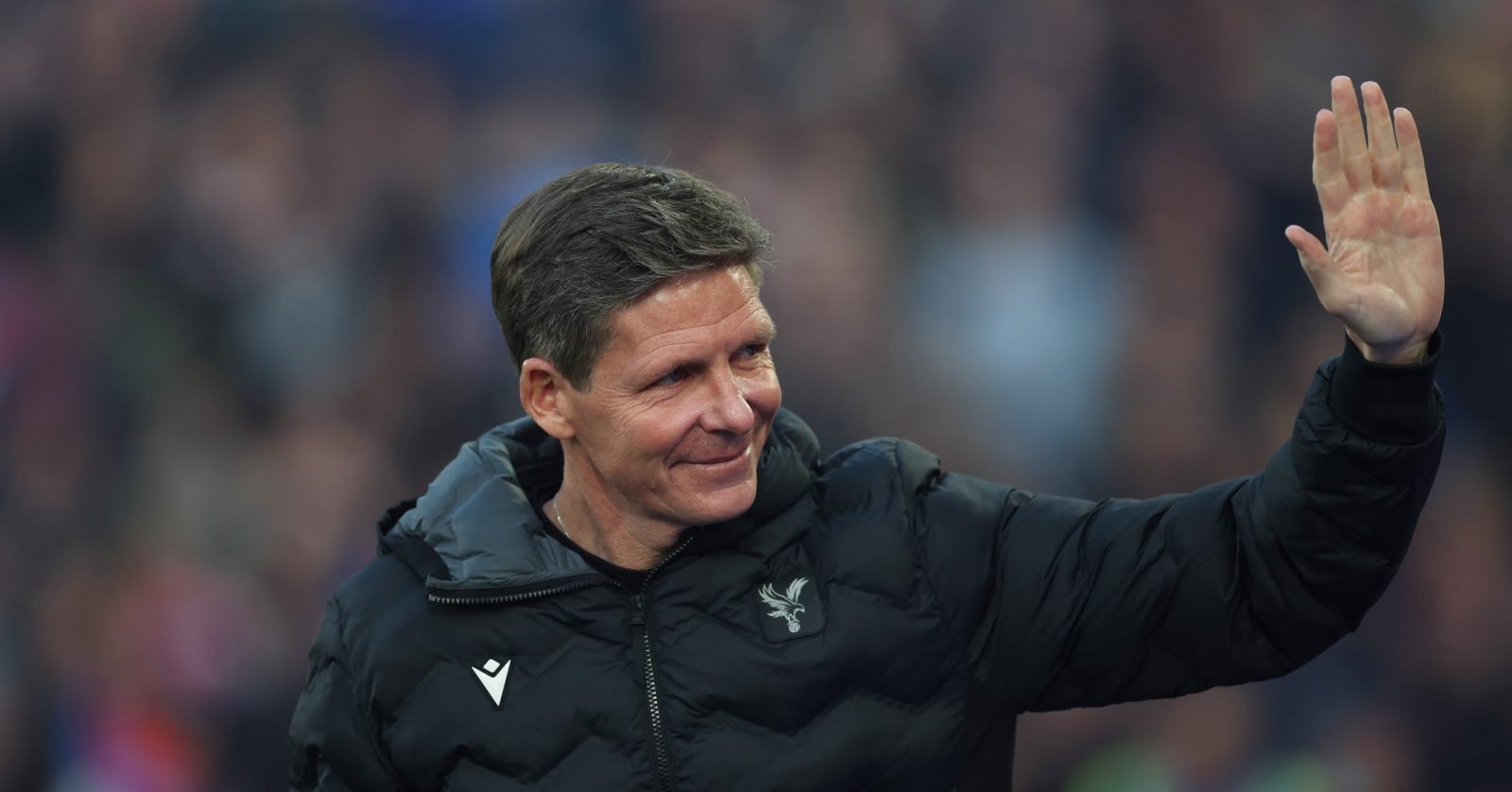
“It’s 90% about us,” says Crystal Palace manager Oliver Glasner ahead of his team’s upcoming cup final. But in that bold statement, Glasner isn’t just talking about the players, the tactics, or the competition. He’s sending a message—a proclamation about the psychological landscape of the match. But does he truly believe it? Or is this his masterstroke, a carefully crafted psychological game, a way of controlling the narrative before the first whistle?
In sports, as in life, perception is reality. Glasner’s declaration feels almost prophetic, yet it rings with an unsettling certainty. What does it mean to be “90% about us”? There’s something magnetic, even ominous, about that percentage—an acknowledgment that the external forces in play—the pressure, the stakes, the opponent—are just the backdrop. The real drama, Glasner seems to suggest, is within his own team.
The Power of Control
Glasner is no stranger to managing high-pressure situations. His tactics are calculated, and his approach to leadership is unmistakably psychological. But by claiming this match is “90% about us,” he creates a striking dichotomy. He distances the competition, the crowd, the odds—and refocuses the spotlight solely on his players. But why this emphasis? What happens when a manager shifts the narrative from “us versus them” to “it’s all on us”? The answer isn’t simple.
Perhaps Glasner is tapping into a deeper truth: success isn’t just about the technical mastery of the game. It’s about the mental fortitude, the belief in one’s identity. To say the game is 90% about “us” suggests a vulnerability, a recognition that the true battle is one of self-perception. It’s a message for the locker room that it’s not about defeating the enemy; it’s about transcending their doubts and playing to the team’s own unique rhythm.
What’s Hiding Behind Confidence?
There’s a seductive confidence in Glasner’s statement. But is it just that—confidence? Or is it something more calculated, a way to shield his players from the fear of failure? We often hear managers speak of opponents, the pressure of big matches, the need for preparation. Glasner, however, speaks almost as though his team is invincible, or at least meant to be. The question, then, is whether this mindset will carry them forward—or unravel them at the crucial moment.
The psychology of leadership is never as straightforward as it seems. Glasner may understand that the true challenge isn’t on the field, but in the minds of his players. By controlling the narrative, he is not only guiding them through the match but also sculpting their perception of themselves. This cup final may be more about molding an identity than about lifting a trophy.
What Glasner knows, that few outside of the team understand, is that every match carries a different weight. This final is not merely a sporting event—it’s a defining moment for Crystal Palace, a team at the crossroads of greatness and oblivion. The question that lingers is whether Glasner’s 90% “us” is enough to carry them to victory—or whether, at the last moment, the “other” 10% will shatter everything they’ve built.
Is It All About “Us” or Is It More?
As the cup final approaches, the mystery intensifies. Is Glasner simply confident in his squad’s ability to rise to the occasion, or is there a deeper, more strategic mind at work? In the end, it may not just be about the players on the field—but about the invisible threads of self-belief, leadership, and self-definition that have already been woven into the very fabric of this team.
For Glasner, the game is already in motion, even before the whistle blows. But will his bold proclamation become a rallying cry for his team—or a curse that places too much pressure on their shoulders? We may never fully know what lurks behind his words, but as the final nears, one thing is certain: the most dangerous battle is the one that takes place in the mind.





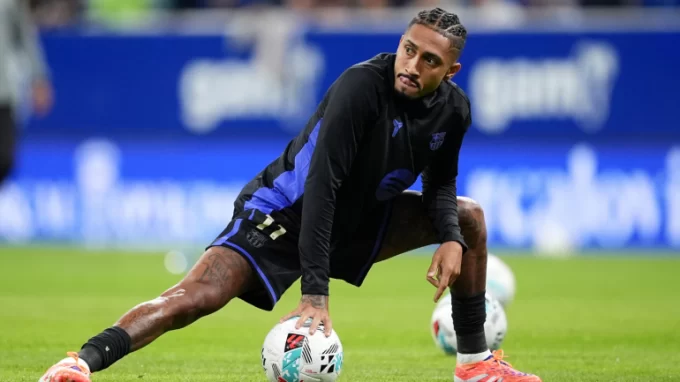
Barcelona’s Fragile Pursuit: When Injuries Threaten More Than Just a Season
A silence spreads over Camp Nou that no roar can drown out—two...
Chris Marks2 Mins read
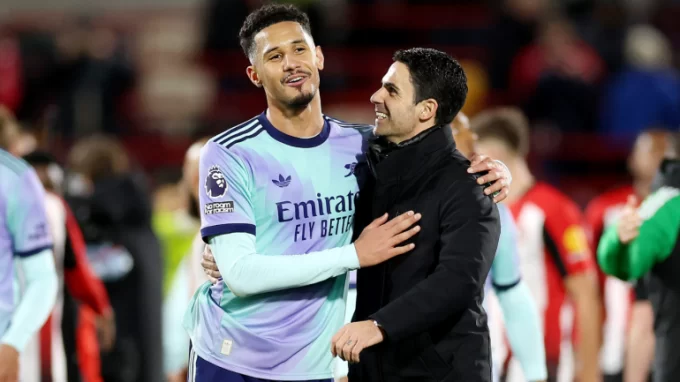
William Saliba: Arsenal’s Silent Architect or Its Greatest Gamble?
The air inside the Emirates shifts with unspoken tension—William Saliba, once a...
 Joseph Bennett2 Mins read
Joel Embiid’s Quiet Confidence: Is the 76ers’ Giant Ready to Rewrite His Story?
Joel Embiid is rarely one to make noise without purpose, and now,...
 Kirsten Collins1 Mins read
Juventus, Atalanta, and Arsenal’s Quiet Revolution: What’s Really Shaping This Week in Football?
The roar of Serie A stadiums masks a subtle shift, one that...
Kirsten Collins2 Mins read





Leave a comment