

Ray Nicholson: Between Legacy and the Shadows of Nepotism
Jack Nicholson’s son, Ray Nicholson, reveals the raw tension of carving his own path under a legendary name, battling the weight of “nepo baby” scrutiny and confronting his borderline identity head-on.
 Kirsten CollinsJune 20, 20252 Mins read18

The glare of legacy is both a spotlight and a shadow—especially when your last name is Nicholson. Ray Nicholson, son of Hollywood’s enigmatic titan Jack Nicholson, stands at a crossroads where admiration meets skepticism, where opportunity is tangled with suspicion. What does it mean to forge identity beneath the looming silhouette of a legendary parent?
His story isn’t just about nepotism, but the complicated, often unseen emotional battleground it creates. Ray speaks candidly about the pressure to prove himself beyond “nepo baby” whispers and how his borderline personality disorder adds a layer of complexity few in his circle openly confront. “It’s a fight every day,” he admits, “to be seen as myself and not just a reflection.”
The Burden of a Name: Inherited Fame or Heavy Chain?
Hollywood loves a dynasty, but it seldom reveals the cost of carrying that torch. Ray Nicholson embodies this paradox—doors open, yet shadows lengthen. Does privilege breed talent, or does it trap one in expectations impossible to fulfill? Ray’s reflections hint at a silent war: the desire to honor a famous lineage while carving a distinct voice that refuses to echo.
As Ray notes, “People see the name and think everything’s handed to you. They don’t see the battles behind the scenes.” His struggle is emblematic of a broader Hollywood dialogue—one that questions merit, mental health, and authenticity in an industry built on image.
Borderlines and Boundaries: Mental Health in the Spotlight
Ray’s openness about borderline personality disorder is more than a personal disclosure; it’s a challenge to Hollywood’s long-standing silence on mental health. His vulnerability adds depth to the conversation about how fame and family legacy can both fuel and fracture one’s sense of self. “There’s this illusion that having a famous parent makes life easier,” he says. “But for me, it often complicates the internal chaos.”
This revelation invites us to rethink the narrative of celebrity children—not as entitled or shallow, but as individuals grappling with unique psychological landscapes. How does the glare of fame shape mental health, and can the industry ever truly support those caught in its web?
Ray Nicholson’s journey is far from a finished script—it’s a raw, unfolding testament to the complexities of identity, legacy, and resilience. And as he steps further into his own light, we’re left wondering: Can one truly escape the past, or are some shadows forever part of the story?
- acting dynasties
- borderline personality disorder
- celebrity children struggles
- celebrity mental health
- Hollywood legacy pressure
- Hollywood nepo baby stigma
- Hollywood nepotism debate
- Jack Nicholson family
- Jack Nicholson son
- mental health in Hollywood
- nepo baby Hollywood
- Ray Nicholson career
- Ray Nicholson interview
- Ray Nicholson interview 2025




When Mercy Meets Tragedy: The Widow Who Forgave Her Husband’s Killer
The air thickens when forgiveness enters a room meant for grief. Imagine...
 Chris Marks1 Mins read
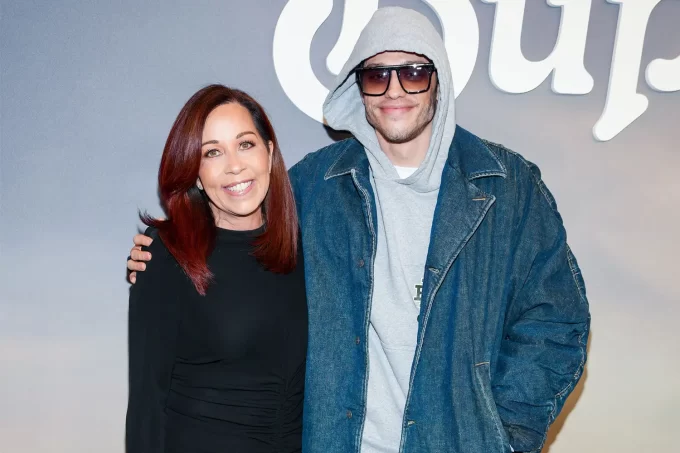
When Fear Became a Lifeline: Pete Davidson’s Reckoning in Rehab
There’s a silence that follows a mother’s voice when she confesses her...
 Joseph Bennett1 Mins read
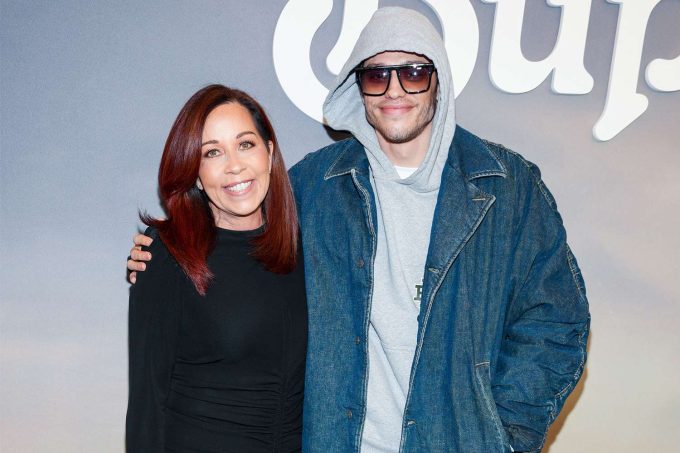
Pete Davidson’s mom told him in rehab worst fear was learning he died
Pete Davidson is opening up about the heartbreaking moment he had with...
Chris Marks2 Mins read
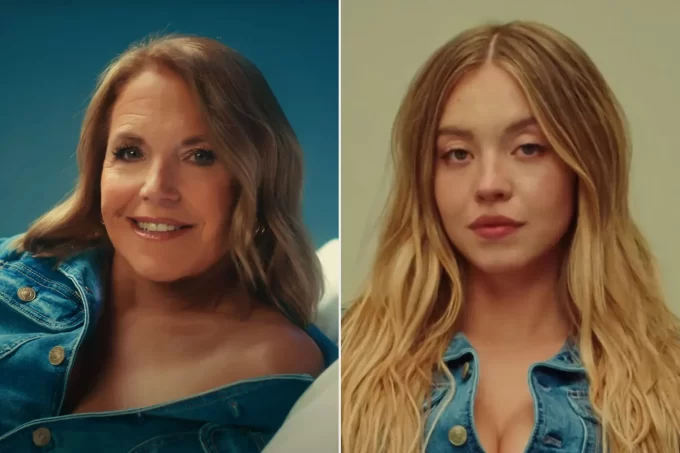
Katie Couric’s Unexpected Spin on Sydney Sweeney’s American Eagle Ad: What’s Really Being Said?
Katie Couric stepping into a scene dominated by Gen Z glamour feels...
 Krista Freeland2 Mins read





Leave a comment