

Woody Allen on Cancellation: Amusement or Defiance?
Woody Allen calls being canceled "interesting and amusing," but is this playful dismissal a sign of deeper defiance, or simply the last act of a fading auteur? His words invite us to rethink what cancellation really means in the age of culture wars.
 Kirsten CollinsSeptember 3, 20252 Mins read20

There’s a peculiar calm in Woody Allen’s voice when he calls getting canceled “interesting and amusing.” It’s almost as if he’s watching a spectacle from a distance—one where he’s both the star and the punchline. But beneath this casual dismissal lies a question few dare to ask: When a cultural titan shrugs off cancelation, is it irony, indifference, or an unyielding refusal to be rewritten by the court of public opinion?
In a world obsessed with swift judgment and moral reckoning, Allen’s blasé reaction feels like a riddle wrapped in an enigma. Could it be that his amusement masks a deeper wariness about the fragility of artistic legacy, or is it a provocation aimed at those who would rewrite history on social media’s altar?
Echoes in the Age of Outrage
The term “cancel culture” has become a battleground, a weapon and a shield, but Allen’s response refuses to fit neatly into the script. “It’s almost like they’re trying to erase me,” he seems to say without saying it, hinting at the peculiar power dynamic at play. The question lingers: Can art ever truly be disentangled from the artist’s sins, or does cancellation become a cultural erasure that risks flattening complexity into simple verdicts?
His films, once celebrated for wit and insight, now sit at the crossroads of appreciation and repudiation. This tension reveals something far more disturbing about our times—the ease with which history can be reinterpreted overnight, and the unsettling power of collective memory to decide who deserves redemption or exile.
Between Amusement and Oblivion
Allen’s amusement is not just a defense; it’s a challenge to the cultural gatekeepers who seek to define his legacy. Is this a final flourish of the auteur’s defiance, or a subtle resignation that the game has changed irreversibly? When he speaks of cancellation as “interesting,” it suggests a complexity often missed in polarized debates—a dance between relevance and oblivion, spotlight and shadow.
Ultimately, this moment forces us to grapple with a larger question: When does cultural accountability become cultural censorship? And who holds the power to decide which stories survive the relentless churn of public judgment? As the controversy continues to swirl, Allen’s words linger like a ghost in the room—amusing, unsettling, and impossible to ignore.
And so the question remains, whispered rather than shouted: In the theater of cancelation, who really holds the script?





When Mercy Meets Tragedy: The Widow Who Forgave Her Husband’s Killer
The air thickens when forgiveness enters a room meant for grief. Imagine...
 Chris Marks1 Mins read

When Fear Became a Lifeline: Pete Davidson’s Reckoning in Rehab
There’s a silence that follows a mother’s voice when she confesses her...
 Joseph Bennett1 Mins read
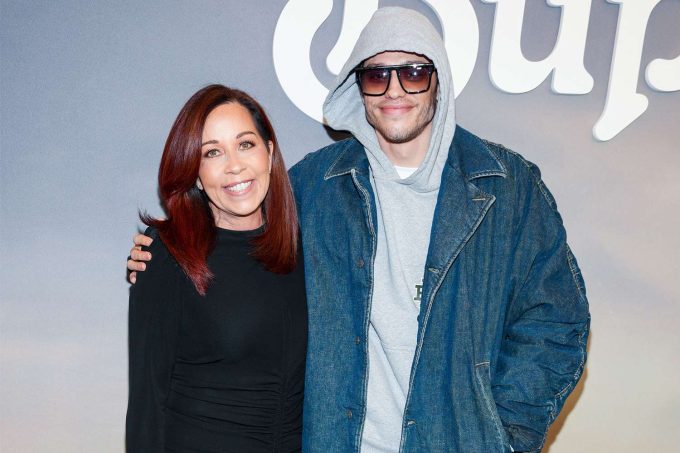
Pete Davidson’s mom told him in rehab worst fear was learning he died
Pete Davidson is opening up about the heartbreaking moment he had with...
Chris Marks2 Mins read

Katie Couric’s Unexpected Spin on Sydney Sweeney’s American Eagle Ad: What’s Really Being Said?
Katie Couric stepping into a scene dominated by Gen Z glamour feels...
 Krista Freeland2 Mins read





Leave a comment