

“One in Four” by Lucinda Berry: When Reality TV Turns Deadly
A reality TV show meant to rehabilitate former child stars spirals into chaos when one of them dies on camera. Dr. Laurel Harlow, the show's counselor, must confront her own dark past while uncovering a killer among the fame-hungry participants.
 Kirsten CollinsMay 2, 20251 Mins read71
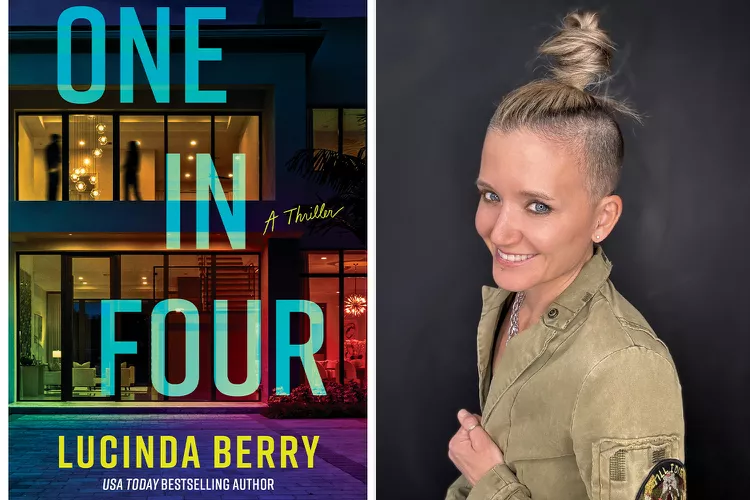
A mansion full of former child stars, each battling their own demons, is the setting for a reality TV show that promises redemption. But when one of them dies on camera, the line between entertainment and tragedy blurs. Dr. Laurel Harlow, the show’s counselor, finds herself at the center of a storm, her own secrets threatening to surface as she seeks the truth.
The Illusion of Redemption
The premise was simple: bring together former child stars seeking recovery from addiction and document their journey. But as the cameras roll, the facade of healing begins to crack. Laurel, skilled in spotting predators, realizes that the real danger may not be the addicts, but the system that exploits their pain for profit.
A Death That Shakes the Foundation
When Maddie, a participant, dies during a live session, the show’s producers scramble to maintain control. But Laurel knows that the truth is more dangerous than any scripted drama. As she delves deeper, she uncovers a web of lies, manipulation, and betrayal that threatens to unravel everything.
Facing Her Own Demons
Laurel’s past is as murky as the lives of those she treats. Her connection to the show’s director is more personal than professional, and as the investigation intensifies, her own history comes under scrutiny. In a world where everyone has something to hide, trust becomes a commodity more valuable than truth.
The Price of Fame and Exploitation
Berry’s narrative isn’t just a murder mystery; it’s a commentary on the commodification of trauma. The show isn’t about healing; it’s about spectacle. The participants are pawns in a game where their pain is the currency. And as the story unfolds, it becomes clear that the real predators aren’t just the addicts, but the system that profits from their suffering.
A Twist That Leaves You Questioning Everything
As Laurel closes in on the killer, she realizes that the truth is more complicated than she imagined. In a final twist, the lines between victim and perpetrator blur, leaving readers questioning the nature of guilt and innocence. In the end, “One in Four” isn’t just a thriller; it’s a mirror reflecting the darkest corners of our obsession with fame and the human cost of entertainment.







When “107 Days” Meets Outcry: Harris’s Book Tour Interrupted
The microphone crackled to life, and before Harris could finish her opening...
 Chris Marks1 Mins read
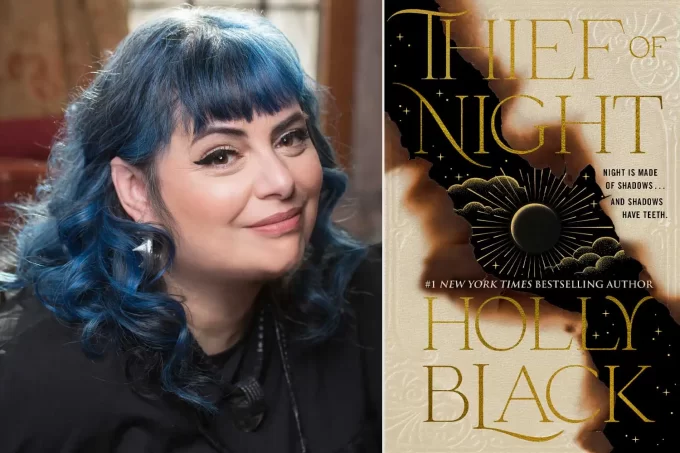
Whispers in the Shadows: Why Holly Black’s Sequel Is a Dark Invitation We Can’t Ignore
The night isn’t just dark—it’s ravenous, greedy, and it’s coming for you....
Chris Marks2 Mins read

Why Stephenie Meyer’s Regret About Edward Changes Everything You Thought You Knew
The moment Stephenie Meyer admitted she wouldn’t pick Edward Cullen today, a...
Chris Marks2 Mins read

When Fear, Fury & Feathers Collide: Cinema, Superheroes, and a Confessional Album
Open with tension—the kind that threads through a scream, a reveal, and...
Chris Marks2 Mins read





Leave a comment