

Jamie Foxx’s ‘Fight for ’84’: A Cinematic Knockout or a Missed Punch?
Netflix's upcoming film Fight for '84 casts Jamie Foxx as a coach leading the U.S. Olympic boxing team to redemption after a tragic 1980 crash. But is this story about triumph—or trauma?
 Krista FreelandMay 14, 20252 Mins read258
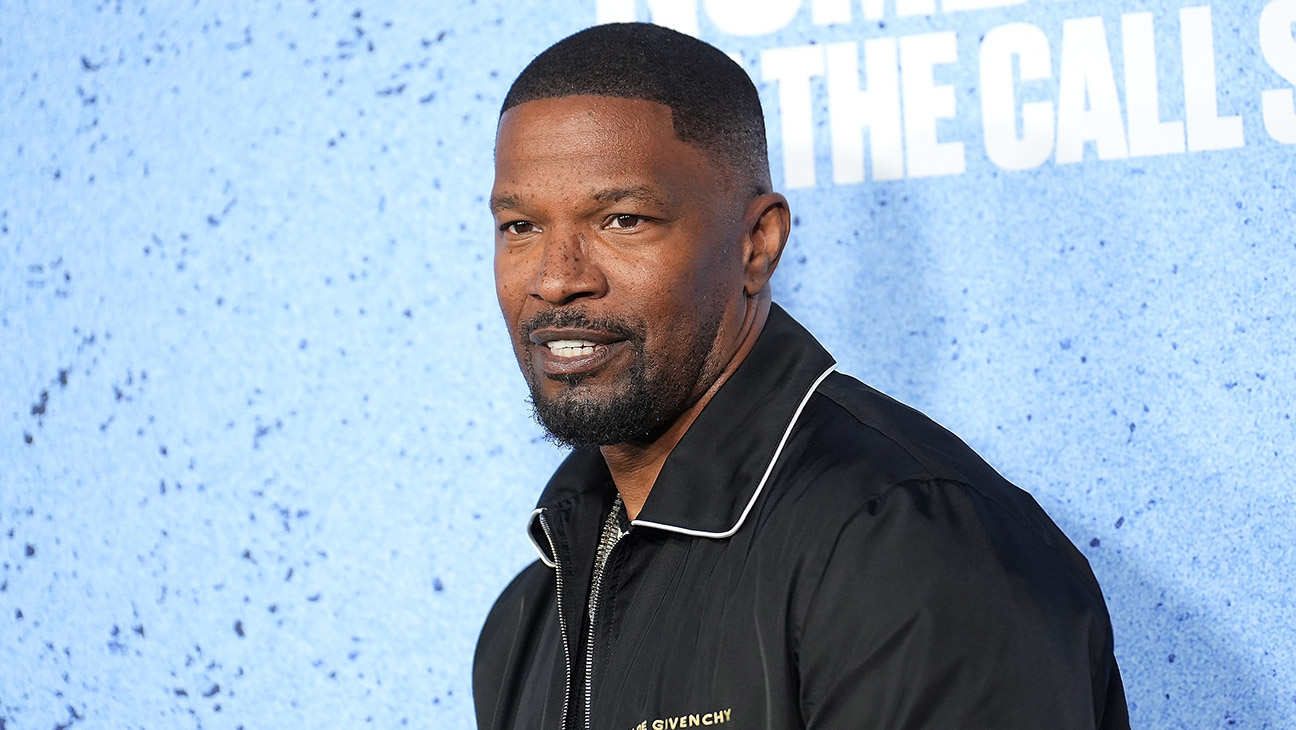
Jamie Foxx, Fight for ’84, Netflix boxing movie, Olympic boxing film, Andrés Baiz, Andrea Berloff, John Gatins, Andy Weiss, 1980 U.S. Olympic team tragedy, sports drama, Netflix original film, boxing redemption story, Hollywood casting, film industry news, celebrity news
In the dimly lit corridors of Hollywood’s ambition, a new project emerges: Fight for ’84. Netflix has enlisted Jamie Foxx to portray a coach tasked with resurrecting the U.S. Olympic boxing team following the 1980 plane crash that decimated it. But beneath the surface of this redemption tale lies a question: is this a story of triumph—or trauma?
The Weight of History
The 1980 tragedy cast a long shadow over American sports, a wound that has yet to fully heal. To revisit this chapter is to confront not just the loss of athletes but the erasure of their potential. Foxx’s casting suggests a narrative of healing, but can such a profound loss be encapsulated in a film?
A Director with a Dark Vision
Andrés Baiz, known for his work on Narcos and Griselda, is at the helm. His expertise in portraying gritty, complex narratives may lend authenticity to the film. Yet, one must wonder: will the film delve into the depths of despair, or will it sanitize the pain for mass consumption?
A Script Penned by Heavyweights
The screenplay boasts names like Andrea Berloff, John Gatins, and Andy Weiss—Academy Award nominees whose credentials are undeniable. Their involvement promises a script rich in depth and nuance. But can they balance the weight of history with the need for cinematic storytelling?
Foxx’s Return to the Ring
Foxx’s previous foray into boxing, portraying Drew Bundini Brown in Ali, showcased his ability to embody complex characters. His return to the ring, both literally and figuratively, is intriguing. But does he possess the gravitas to lead a film that tackles such a heavy subject matter?
The Legacy of ’84
The 1984 Olympics saw the U.S. boxing team achieve unprecedented success, a stark contrast to the devastation four years prior. To capture this turnaround is to encapsulate the resilience of the human spirit. But will the film honor the legacy of those who came before, or will it overshadow their memory with fictionalized heroism?
In the end, Fight for ’84 is more than just a film—it’s a reckoning with history. As the cameras roll and the story unfolds, one must ask: will this cinematic endeavor honor the past, or will it risk distorting it for the sake of entertainment?






Pianist Omar Harfouch Brings Celebrated Figures Together for a Night of Cultural Exchange – Hollywood Life
Image Credit: Omar Harfouch On February 20, 2026, pianist and cultural figure...
 Kirsten Collins2 Mins read

How Much Money Does She Have Now? – Hollywood Life
Image Credit: WWD via Getty Images Rihanna may be known as one...
Kirsten Collins2 Mins read

Stars Who Slammed ‘Love Story: JFK Jr. & Carolyn Bessette’: Statements – Hollywood Life
Image Credit: Getty Images FX’s Love Story: John F. Kennedy Jr. and...
Kirsten Collins2 Mins read
Find Out Release Date, Cast, Plot Details & More – Hollywood Life
Image Credit: Courtesy of Amazon Freevee After its breakout first season, Jury...
Kirsten Collins2 Mins read





Leave a comment