

“Sinner’s Silence, Zverev’s Return: The Unseen Power Play in Hamburg”
Jannik Sinner's unexpected withdrawal from the Hamburg Open has set the stage for Alexander Zverev's dramatic return. But what lies beneath this sudden shift?
 Joseph BennettMay 16, 20251 Mins read21
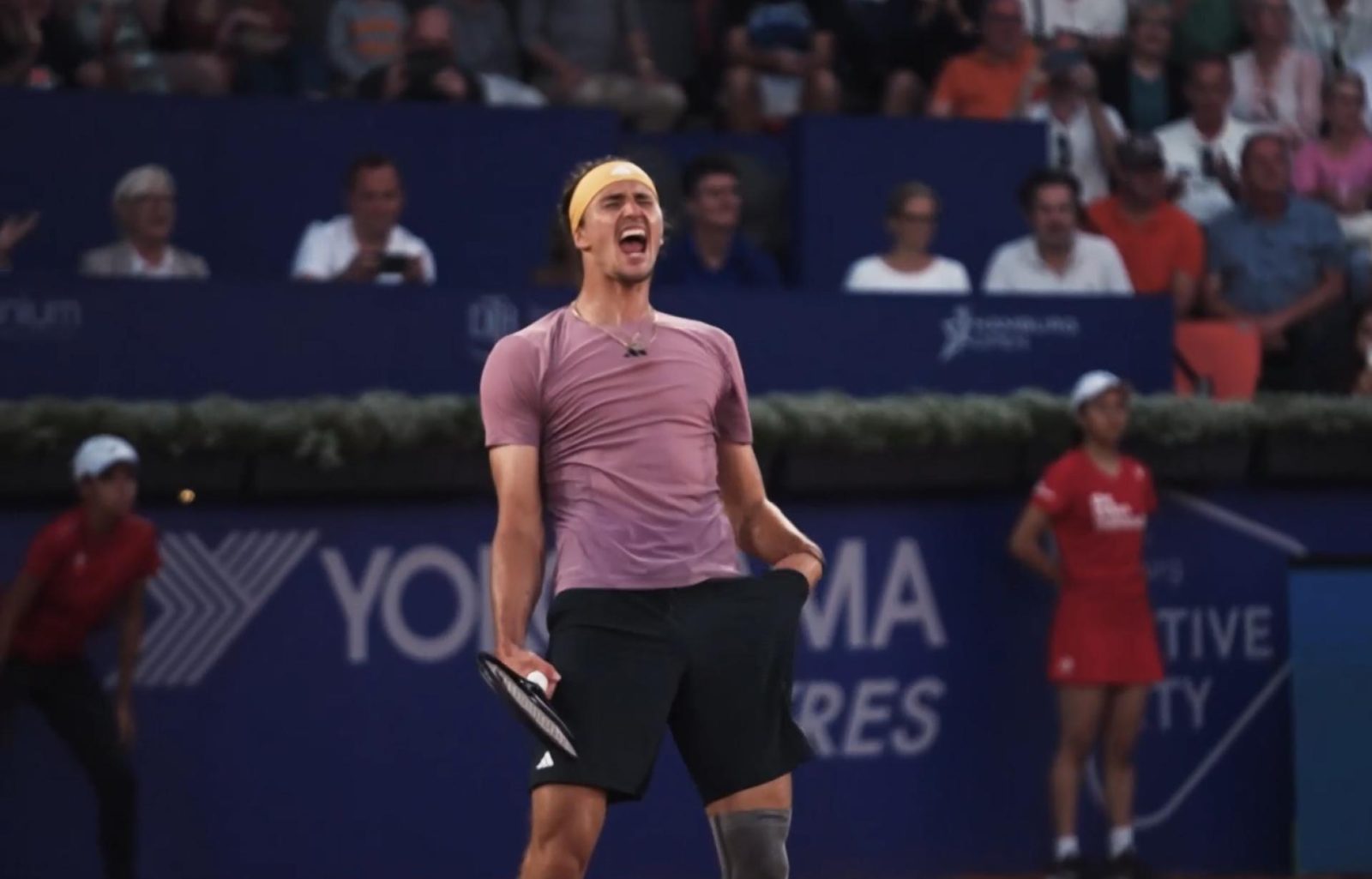
In the world of tennis, every decision echoes louder than a serve. Jannik Sinner, the world No. 1, has chosen silence over the clay courts of Hamburg, leaving fans and analysts alike to ponder the reasons behind his unexpected withdrawal. Meanwhile, Alexander Zverev, the German powerhouse, steps into the spotlight with a wild card entry, reigniting his presence in his hometown tournament.
Sinner’s absence is more than a mere scheduling conflict; it’s a strategic retreat. After a commendable comeback in Rome post-suspension, he opts out of Hamburg, possibly to conserve energy for the impending French Open. This move not only affects his point tally but also shifts the dynamics of the ATP rankings, offering Zverev and Alcaraz a chance to close the gap.
Zverev’s decision to accept the wild card is laden with significance. A former champion of the Hamburg Open, he returns to the Rothenbaum courts with a purpose: to sharpen his game ahead of the French Open. His presence is a reminder of the fine line between triumph and turmoil, and the relentless pursuit of excellence.
The withdrawal of other top players like Tsitsipas and Rune further alters the tournament’s landscape. It opens the door for emerging talents to make their mark, but it also raises questions about the physical toll of the tour and the mental fortitude required to navigate it.
As the Hamburg Open unfolds, the absence of Sinner and the return of Zverev serve as a microcosm of the broader challenges facing professional tennis. It’s a sport where every decision, every match, and every moment can redefine a player’s legacy. In this intricate dance of strategy and skill, one must ask: Is the game truly about the players, or is it about the narratives they create?
In the end, the court is more than a battleground; it’s a stage where stories are written in real-time. And as the players prepare for the French Open, we are left to wonder: What tales will emerge from the shadows of Hamburg?






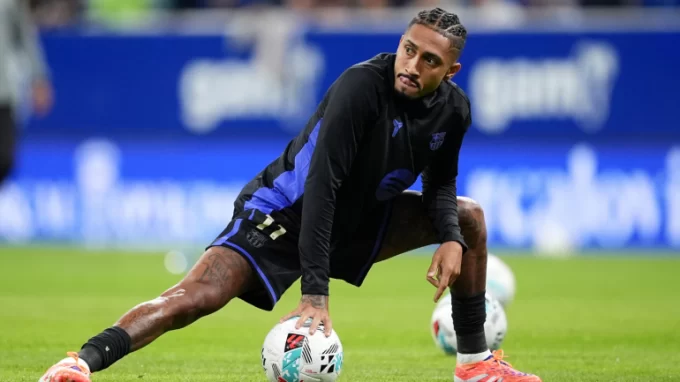
Barcelona’s Fragile Pursuit: When Injuries Threaten More Than Just a Season
A silence spreads over Camp Nou that no roar can drown out—two...
 Chris Marks2 Mins read
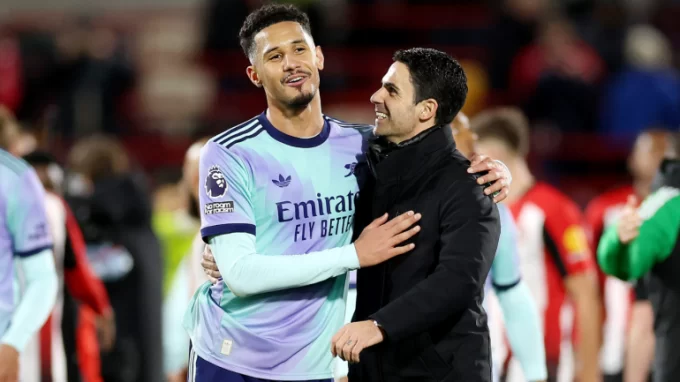
William Saliba: Arsenal’s Silent Architect or Its Greatest Gamble?
The air inside the Emirates shifts with unspoken tension—William Saliba, once a...
Joseph Bennett2 Mins read
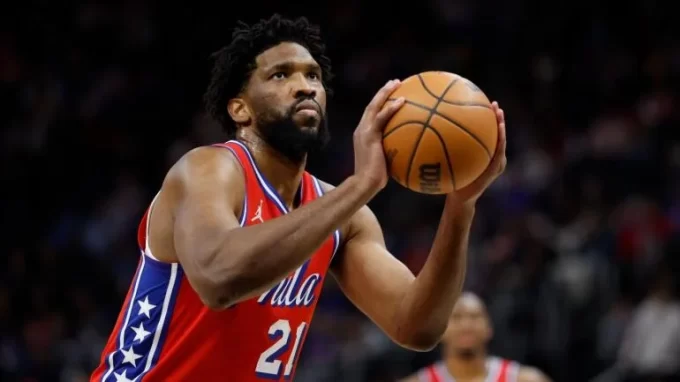
Joel Embiid’s Quiet Confidence: Is the 76ers’ Giant Ready to Rewrite His Story?
Joel Embiid is rarely one to make noise without purpose, and now,...
 Kirsten Collins1 Mins read
Juventus, Atalanta, and Arsenal’s Quiet Revolution: What’s Really Shaping This Week in Football?
The roar of Serie A stadiums masks a subtle shift, one that...
Kirsten Collins2 Mins read




Leave a comment