

28 Years Later: What the Infected Variants Really Reveal About Fear and Survival
The 28 Days Later saga digs deeper than blood and rage, revealing how its evolving infected variants mirror society’s darkest anxieties and our relentless quest for survival. But what do these monsters tell us about ourselves?
 Kirsten CollinsJune 20, 20251 Mins read17
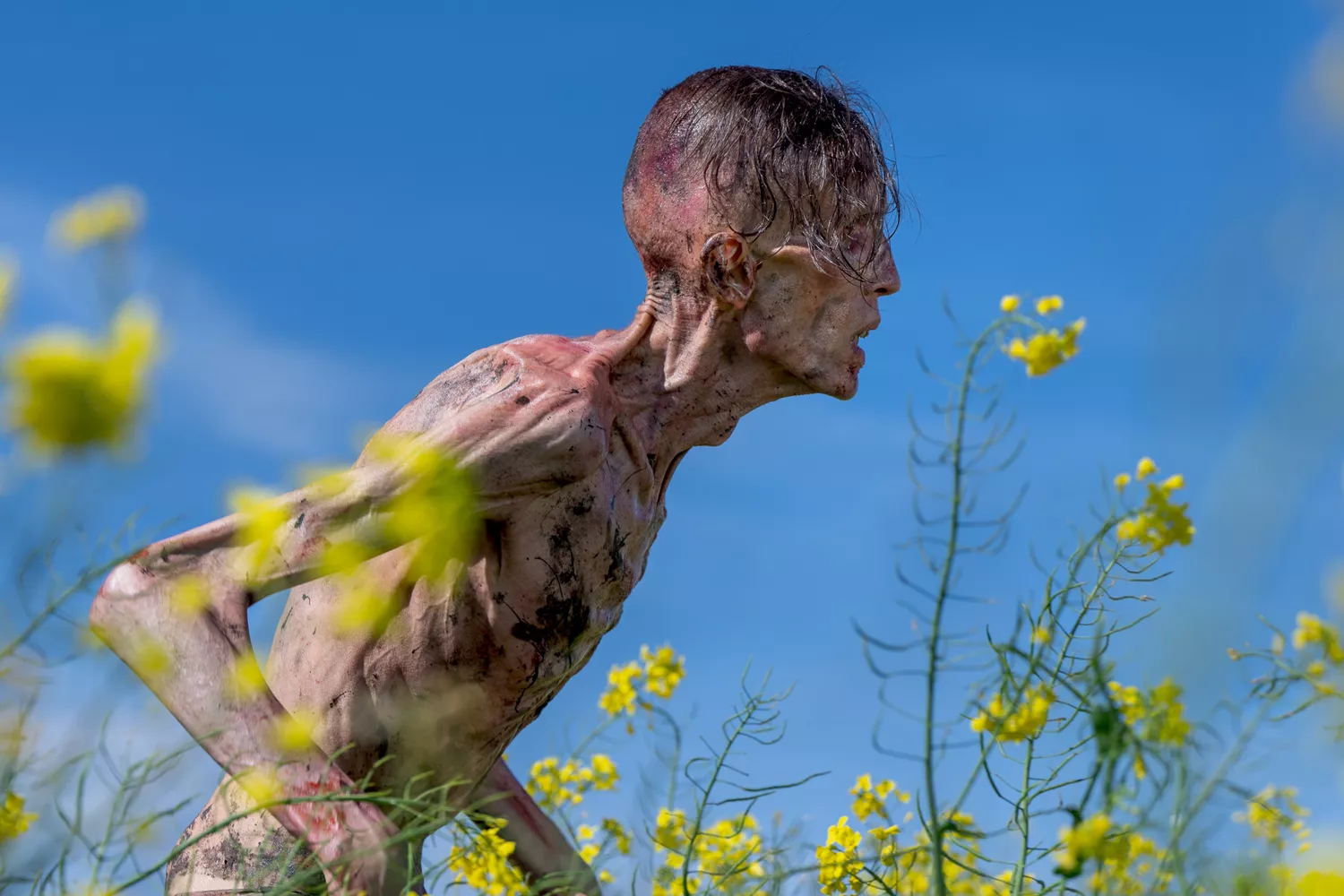
The rage virus isn’t just a plot device—it’s a mirror held up to our collective nightmares, reflecting a world teetering on the edge of chaos and control. Nearly three decades since 28 Days Later first stormed screens, the infected variants have morphed, multiplied, and mutated in ways that provoke questions far beyond simple horror. What does the evolution of these creatures say about the shifting fears of society?
It’s not just about bloodlust or survival anymore; it’s about the mutation of terror itself, a chilling commentary on what we lose and what we become under pressure.
The Monster Within the Mutation
The variants in 28 Days Later aren’t mere zombies—they are something more insidious, embodying primal rage, loss of identity, and uncontrollable contagion. Each iteration seems designed not just to frighten but to unsettle the very notion of humanity. As one infected shifts from mindless fury to something almost eerily sentient, the lines blur: who is really the monster?
As one character notes in the series, “They’re not just infected—they’re evolving.” This evolution invites us to wonder: are these variants a metaphor for real-world viral mutations or something darker—an allegory for how trauma and fear transform us irreversibly?
When Horror Predicts Reality
The chilling truth behind 28 Days Later lies in its uncanny prescience. The virus spreads, adapts, and conquers—not unlike the very pandemics that have reshaped our global consciousness. But unlike reality, the infected variants externalize our internal battles with rage, isolation, and the instinct to survive at all costs.
Is it possible that the film’s continued fascination stems from its ability to forecast the psychology of crisis? Its monstrous infected act as both enemy and mirror—forcing us to confront what lurks in the shadows of our own humanity.
The infected are not just threats to be eliminated; they are spectral reminders of what festers beneath society’s fragile surface. As the variants multiply, so do the questions: What happens when the rage becomes us? And who, if anyone, remains truly uninfected?






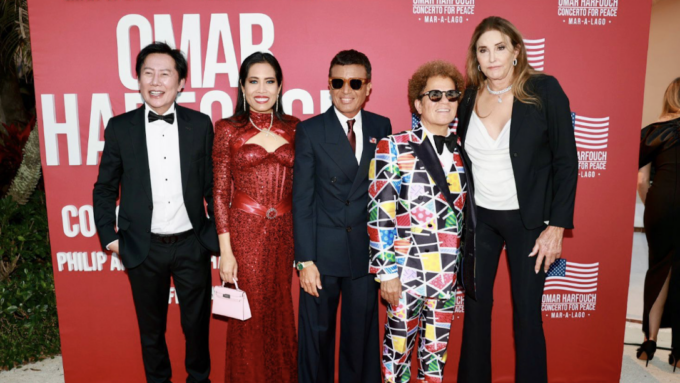
Pianist Omar Harfouch Brings Celebrated Figures Together for a Night of Cultural Exchange – Hollywood Life
Image Credit: Omar Harfouch On February 20, 2026, pianist and cultural figure...
Kirsten Collins2 Mins read

Who Is Ivana Lisette Ortiz? About the Rihanna Home Shooting Suspect – Hollywood Life
Image Credit: WWD via Getty Images The suspect in the March 8,...
Kirsten Collins1 Mins read

How Much Money Does She Have Now? – Hollywood Life
Image Credit: WWD via Getty Images Rihanna may be known as one...
Kirsten Collins2 Mins read

Stars Who Slammed ‘Love Story: JFK Jr. & Carolyn Bessette’: Statements – Hollywood Life
Image Credit: Getty Images FX’s Love Story: John F. Kennedy Jr. and...
Kirsten Collins2 Mins read





Leave a comment