

The Sound Beneath the Stage
The Cape Town International Jazz Festival didn’t just bring music—it unearthed something stranger, older, and infinitely more urgent. Joy was promised, but something deeper slipped through the notes.
 Kirsten CollinsApril 29, 20252 Mins read32

He played a single note—and held it. Not long. Just long enough for the silence beneath it to speak. That was the moment, somewhere between the set’s second song and the first sip of something cold, that the Cape Town International Jazz Festival changed shape. This wasn’t a concert anymore. It was a seance.
Every year, the festival sells a fantasy—joy, celebration, international flair, and the unmistakable pull of live jazz. But 2025’s edition offered something stickier: memory disguised as melody, heritage retuned in real time. From Nduduzo Makhathini’s spiraling keys to Zoë Modiga’s voice—otherworldly and unflinching—there was a current under the spotlight that no stage could tame. The joy was real, yes. But what was it mourning?
What We Hear Isn’t Always What’s Playing
There’s a question that loomed after each ovation: what are we really clapping for? The artists, certainly. The musicianship, undeniably. But listen more closely—aren’t we also applauding survival? The kind of spiritual stamina it takes to carry culture through centuries of rupture and reinvention. Jazz here isn’t genre—it’s lineage.
The performances felt less like entertainment and more like resistance: a sonic archive being rewritten mid-performance. “I sing not to impress, but to remember,” one vocalist murmured into her mic, just before launching into a track that felt equal parts lullaby and alarm. What memory was she protecting? And who were we, the audience, to receive it?
The new guard—Modiga, Bokani Dyer, Benjamin Jephta—stood as proof that the genre refuses to age out. But it wasn’t nostalgia that made their sets gripping. It was urgency. Each track felt like a message from a country balancing beauty and burnout. Can a song save a city? Can a festival anchor a people?
When the Lights Go Down, What Echoes?
It’s always after the last encore that truth starts humming. The crowd thins, the lights soften, and the stories behind the songs begin to bloom. There’s something almost intrusive about watching artists come alive so publicly, especially when you know the histories they’re holding aren’t meant to be tidy.
Even now, days later, there’s a phrase stuck in my head—one I heard in passing from a backstage tech as cables were being coiled: “It’s not over. Not even close.” He wasn’t talking about the show. And that’s the thing—at this year’s Cape Town Jazz Festival, nothing was just what it seemed.
Because jazz doesn’t fade when the amps cut out. It lingers—in your chest, in your street, in the questions you can’t quite name but feel humming beneath your skin.
And maybe the most haunting music of all is the kind that leaves no lyrics behind.







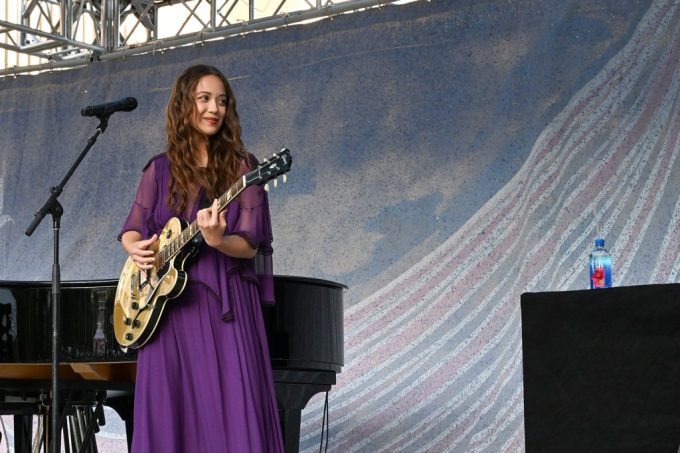
Laufey’s Opening Night Show at LA’s Crypto.com Arena: Best Moments
Laufey opened a two-night stand at Crypto.com Arena in downtown Los Angeles...
 Chris Marks6 Mins read
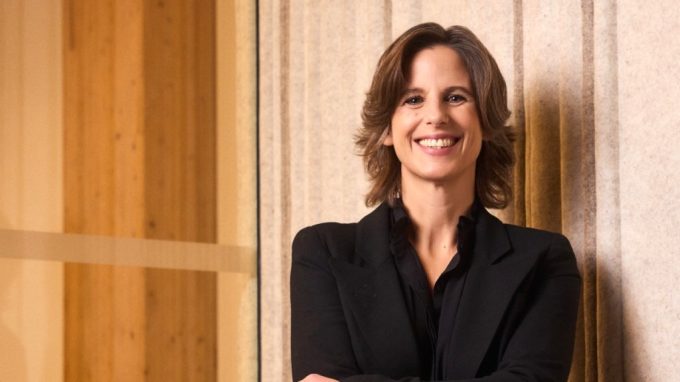
Julie Adam Is Billboard Canada Women in Music’s 2025 Exec of the Year
Julie Adam is having a milestone year — and it’s getting even...
Chris Marks4 Mins read
Spinal Tap Tribute Album with Foo Fighters,Tool for Teen Cancer America
Spinal Tap may be a fake band, but its music is very...
Chris Marks2 Mins read

AxMxP Is K-Pop Rookie of the Month for September: Exclusive Photos
Ha Yoo Joon Image Credit: Chin Soyeon You debuted on Sept. 10....
Chris Marks2 Mins read





Leave a comment