

The Girl Who Knew Too Much—and Wrote It Anyway
Jemimah Weis’ The Original Daughter isn’t just GMA’s May Book Club pick—it’s a riddle dressed as a memoir, a novel that knows your secrets before you do.
 Chris MarksMay 6, 20252 Mins read23
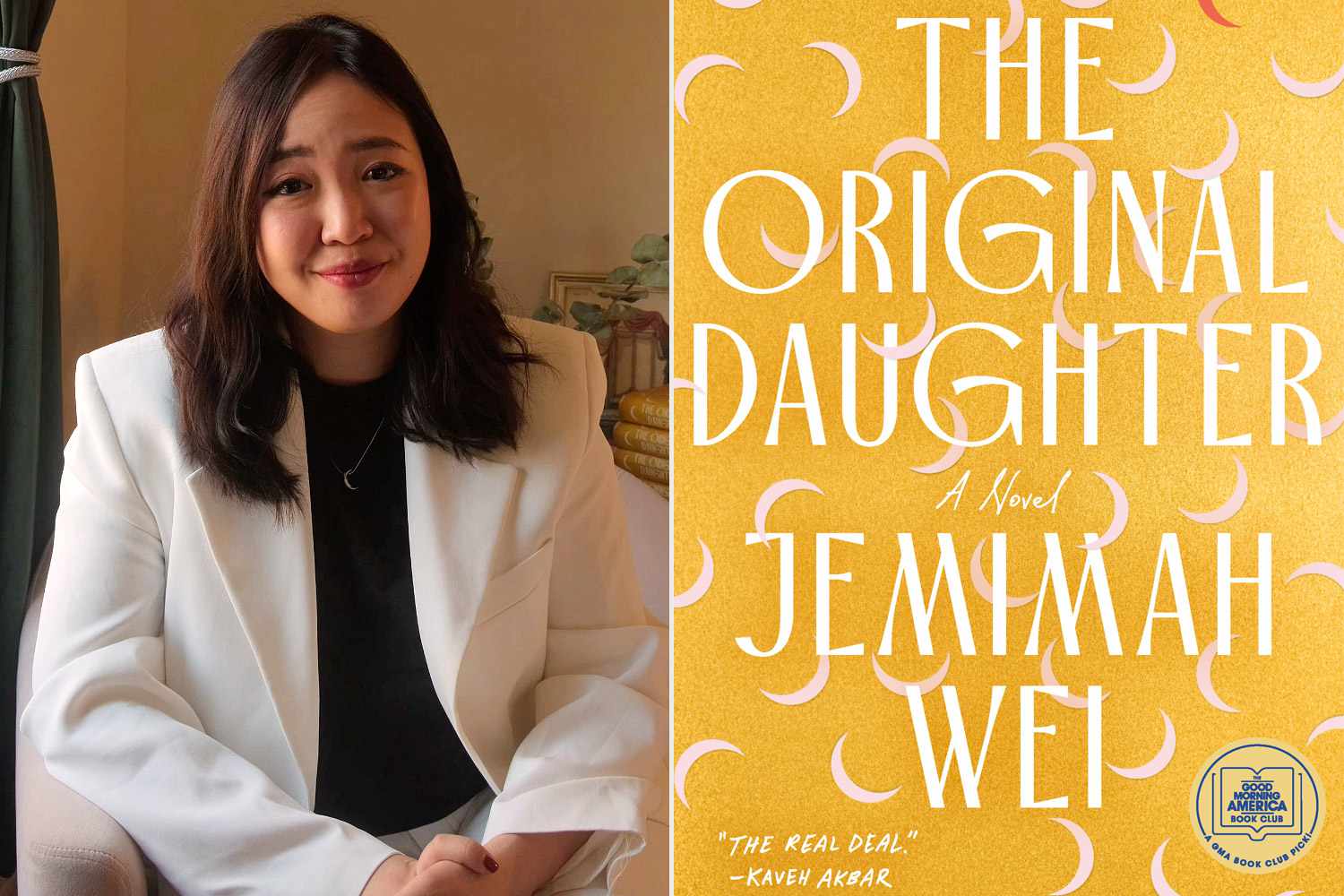
Doubleday
She wakes up to find herself in someone else’s story. Or maybe it’s hers, and she’s only now realizing who’s been editing the margins. The Original Daughter by Jemimah Weis doesn’t ask to be read—it dares you to track its footsteps and not flinch at the shadow behind them. GMA crowned it May’s Book Club pick, but the real coronation is quieter, and stranger: it’s happening in the minds of readers trying to decide what’s fiction and what’s been plucked—uncomfortably—too close to their own lives.
There’s something uncanny about the way Weis writes memory. It doesn’t feel imagined. It feels recovered. Like pulling up a floorboard and discovering not dust but fingerprints. The novel circles a mother-daughter relationship too intricate to be called just fraught. It unspools with the elegance of a confession and the menace of a threat. You’re not reading this book—you’re being followed by it.
She Knows What You’ll Hide Before You Do
Every so often, a debut arrives that feels like a warning disguised as literature. Weis writes with the sensibility of someone who’s seen something she shouldn’t have, and is writing it down before it disappears. The plot hums with psychological suspense, but the real weight is in the silences: those loaded pauses between mothers and daughters, truth and inheritance, memory and performance.
“It’s the stories we tell ourselves to survive that hurt the most,” one line reads—so casually it almost slips past you. But this book doesn’t do casual. It’s meticulously dressed. Every sentence wears a double meaning like a silk slip beneath the surface. Weis’ genius lies in what she withholds, in the space she gives you to realize you’ve been complicit in the delusion.
The Fiction of Family, and the Family of Fiction
There’s a peculiar thrill in watching someone new arrive in literature fully formed, already dangerous. Weis’ debut doesn’t just impress—it unsettles. It walks into the literary world like someone who’s been watching from the hallway mirror, waiting for her moment to speak. And now that she has, the question is: who exactly is The Original Daughter about?
Because the answer might be you. Or worse—your mother.
And perhaps that’s the most arresting thing about Jemimah Weis’ arrival: she isn’t writing for your comfort, but your confrontation. Not every daughter escapes the story she’s born into. Fewer still rewrite it.







When “107 Days” Meets Outcry: Harris’s Book Tour Interrupted
The microphone crackled to life, and before Harris could finish her opening...
Chris Marks1 Mins read
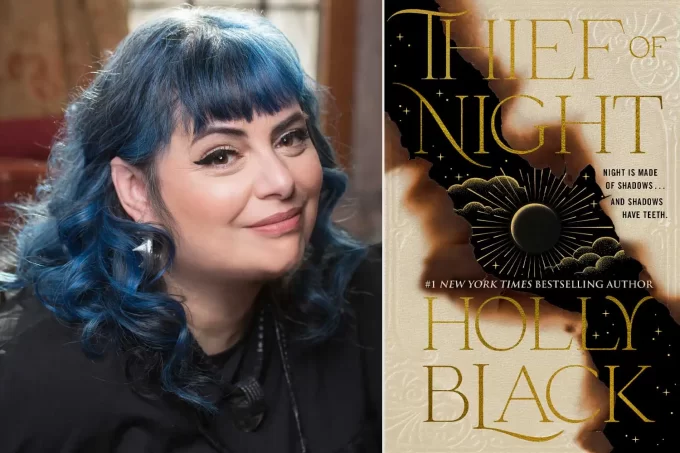
Whispers in the Shadows: Why Holly Black’s Sequel Is a Dark Invitation We Can’t Ignore
The night isn’t just dark—it’s ravenous, greedy, and it’s coming for you....
Chris Marks2 Mins read
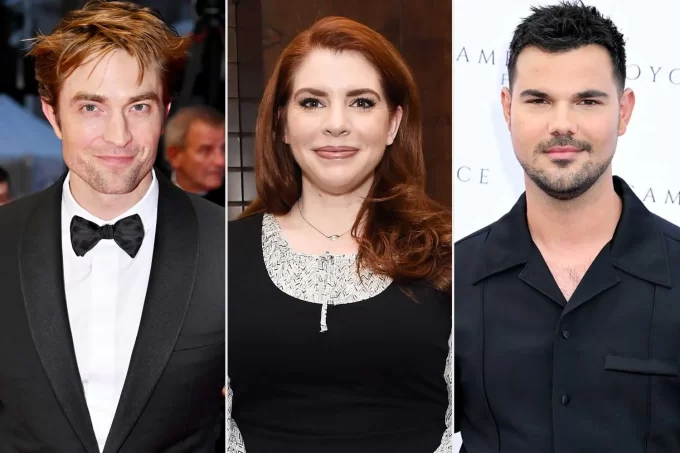
Why Stephenie Meyer’s Regret About Edward Changes Everything You Thought You Knew
The moment Stephenie Meyer admitted she wouldn’t pick Edward Cullen today, a...
Chris Marks2 Mins read
When Fear, Fury & Feathers Collide: Cinema, Superheroes, and a Confessional Album
Open with tension—the kind that threads through a scream, a reveal, and...
Chris Marks2 Mins read




Leave a comment