

Hollywood’s New Queens of Quirk: Jenna Ortega, Ayo Edebiri, and the Rise of the Unapologetic Weird
Jenna Ortega and Ayo Edebiri aren’t just actresses—they’re architects of a bold new Hollywood narrative, one that embraces the power and allure of the “quirky girl.” But is this trend a fresh breath of authenticity or a calculated branding move?
 Joseph BennettJune 17, 20251 Mins read23
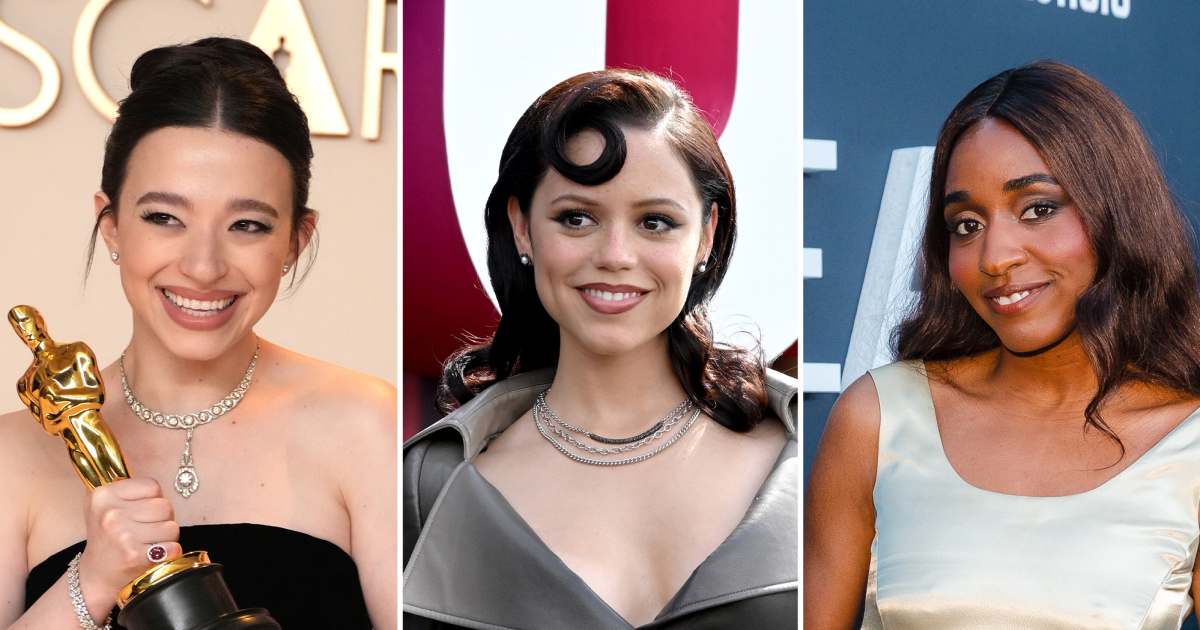
A burst of laughter, a sideways glance, a deliberately odd fashion choice—quirk has become Hollywood’s new currency, and Jenna Ortega alongside Ayo Edebiri are its undisputed queens. But beneath the bright veneer of bubbly awkwardness lies a deeper cultural shift that might just be rewriting what it means to be “cool” in Tinseltown.
Ortega, with her quiet intensity and offbeat charm, and Edebiri, whose wit cuts sharper than a designer stiletto, are not simply playing the quirky card—they’re reshuffling the entire deck. They embody a youthful defiance, rejecting polished perfection for something raw, genuine, and sometimes delightfully uncomfortable.
When Oddness Becomes Power
This movement feels less like a trend and more like an insurgency. It’s the elevation of the unconventional woman—funny, awkward, unapologetically herself—against a backdrop of cookie-cutter archetypes. What’s striking isn’t just the celebration of “quirk,” but the authority with which Ortega and Edebiri wield it, demanding we reconsider our cultural taste buds. It’s a reminder that charisma need not come from flawless appearances or rehearsed lines.
“I love that we’re making space for messiness,” Edebiri confessed recently, voice rich with conviction. “It’s about time we showed the world that being different is a superpower, not a liability.” But who decides what qualifies as quirky? Is it truly an authentic wave, or a savvy repackaging of the same old Hollywood marketing playbook?
From Niche to Norm
Hollywood has long flirted with eccentricity, but this new wave feels deliberate, urgent. Ortega and Edebiri’s roles break molds—they’re not quirky girls for comic relief but protagonists whose quirks define their power. This signals a shift in storytelling, one where complexity isn’t just tolerated but treasured.
Yet, it’s worth asking: Is this movement broad enough? Does the mainstream appetite for quirky girls signal deeper inclusivity, or does it risk becoming another superficial stereotype? The tension lies in the line between genuine representation and commodification—a line Hollywood has walked before.
In the end, Ortega and Edebiri don’t just invite us to embrace their quirks; they compel us to interrogate our own. What if the real question isn’t about who fits the quirky mold but why we felt the need to make one at all?




When Mercy Meets Tragedy: The Widow Who Forgave Her Husband’s Killer
The air thickens when forgiveness enters a room meant for grief. Imagine...
 Chris Marks1 Mins read
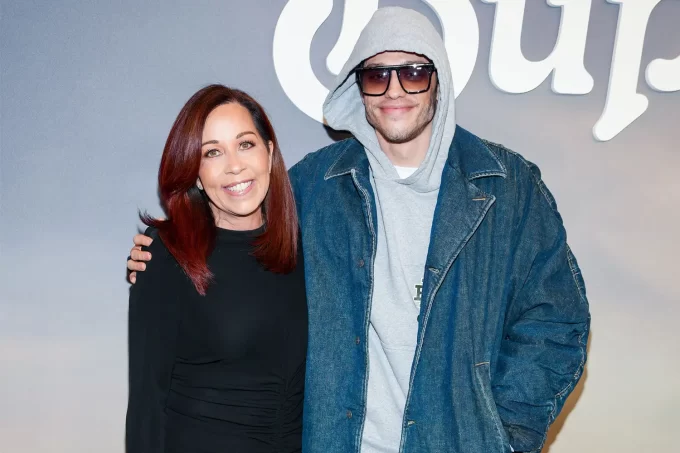
When Fear Became a Lifeline: Pete Davidson’s Reckoning in Rehab
There’s a silence that follows a mother’s voice when she confesses her...
Joseph Bennett1 Mins read
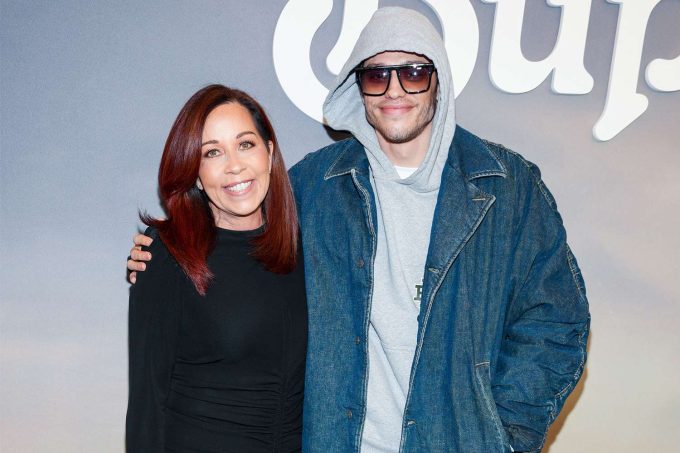
Pete Davidson’s mom told him in rehab worst fear was learning he died
Pete Davidson is opening up about the heartbreaking moment he had with...
Chris Marks2 Mins read
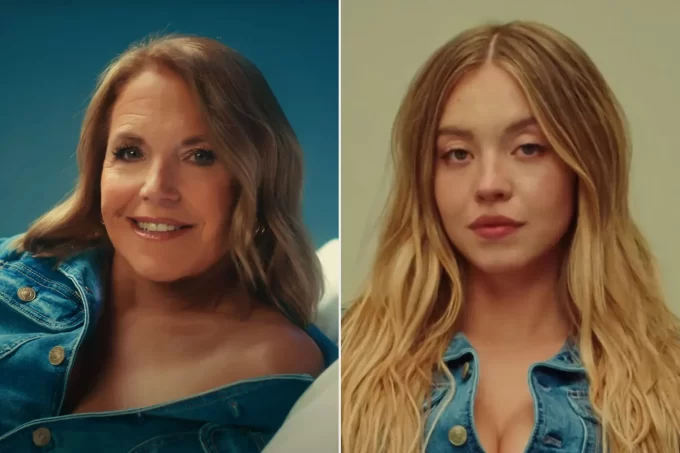
Katie Couric’s Unexpected Spin on Sydney Sweeney’s American Eagle Ad: What’s Really Being Said?
Katie Couric stepping into a scene dominated by Gen Z glamour feels...
 Krista Freeland2 Mins read




Leave a comment