

When the Kiss Cam Misses: Andy Byron and the Limits of Live Moments
The founder of Astronomer confronts the swirling controversy around Andy Byron’s infamous Kiss Cam moment—raising questions about consent, spectacle, and the unpredictable power of live entertainment. What really happens when a joke goes too far?
 Krista FreelandJuly 18, 20251 Mins read26

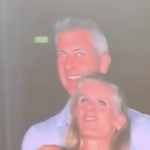
No live moment is ever just what it seems—especially when millions are watching, and the camera catches what no one quite expected. Andy Byron’s Kiss Cam controversy exploded not because of what was shown, but because it exposed a raw fissure beneath the glossy veneer of live entertainment. When the Astronomer founder steps forward to address the fallout, the story deepens—and the questions multiply.
The Kiss Cam is supposed to be lighthearted, a shared wink in the chaos of a concert or game. Yet Byron’s moment fractured that illusion, turning playful spectacle into something uncomfortable, even alarming. “It’s a reminder that no matter how well-crafted the moment, human reactions aren’t always predictable,” the founder reflected, not with excuse, but with an uneasy acknowledgment.
Beyond the Spotlight: When Consent Collides With Performance
What does it mean to be caught on camera in an unscripted moment—one that may not honor the boundaries of those involved? This controversy taps into a larger cultural unease about consent in public spaces, especially when entertainment blurs lines. The Kiss Cam, meant to unite the crowd in joy, suddenly feels like a test of how much individuals are seen as participants—or just props.
The Myth of the Perfect Live Moment
Live events trade in immediacy, and with that comes risk. Byron’s Kiss Cam moment forces us to reckon with the unpredictable nature of live spectacle—where humor can slip into harm and applause can mask discomfort. “We wanted to create a joyful shared experience, but maybe the joy wasn’t as universal as we thought,” the founder admitted. This admission unsettles the easy narratives of entertainment as pure escape, revealing a more complicated truth beneath the gloss.
In a world obsessed with moments caught on camera, how much do we demand from performers—and from each other? The Kiss Cam scandal isn’t just a viral episode; it’s a mirror held up to a culture still wrestling with power, participation, and respect in the spotlight.



When Mercy Meets Tragedy: The Widow Who Forgave Her Husband’s Killer
The air thickens when forgiveness enters a room meant for grief. Imagine...
 Chris Marks1 Mins read
When Fear Became a Lifeline: Pete Davidson’s Reckoning in Rehab
There’s a silence that follows a mother’s voice when she confesses her...
 Joseph Bennett1 Mins read
Pete Davidson’s mom told him in rehab worst fear was learning he died
Pete Davidson is opening up about the heartbreaking moment he had with...
Chris Marks2 Mins read

Katie Couric’s Unexpected Spin on Sydney Sweeney’s American Eagle Ad: What’s Really Being Said?
Katie Couric stepping into a scene dominated by Gen Z glamour feels...
Krista Freeland2 Mins read



Leave a comment