

When Glamour Meets Grit: Blake Lively, Justin Baldoni, and the Unseen Power Play Behind the Scenes
A courtroom clash between Blake Lively and Justin Baldoni unravels more than just a legal dispute—it exposes a tangled web of influence, perception, and the high-stakes drama that rarely graces the Hollywood spotlight.
 Joseph BennettAugust 8, 20252 Mins read12
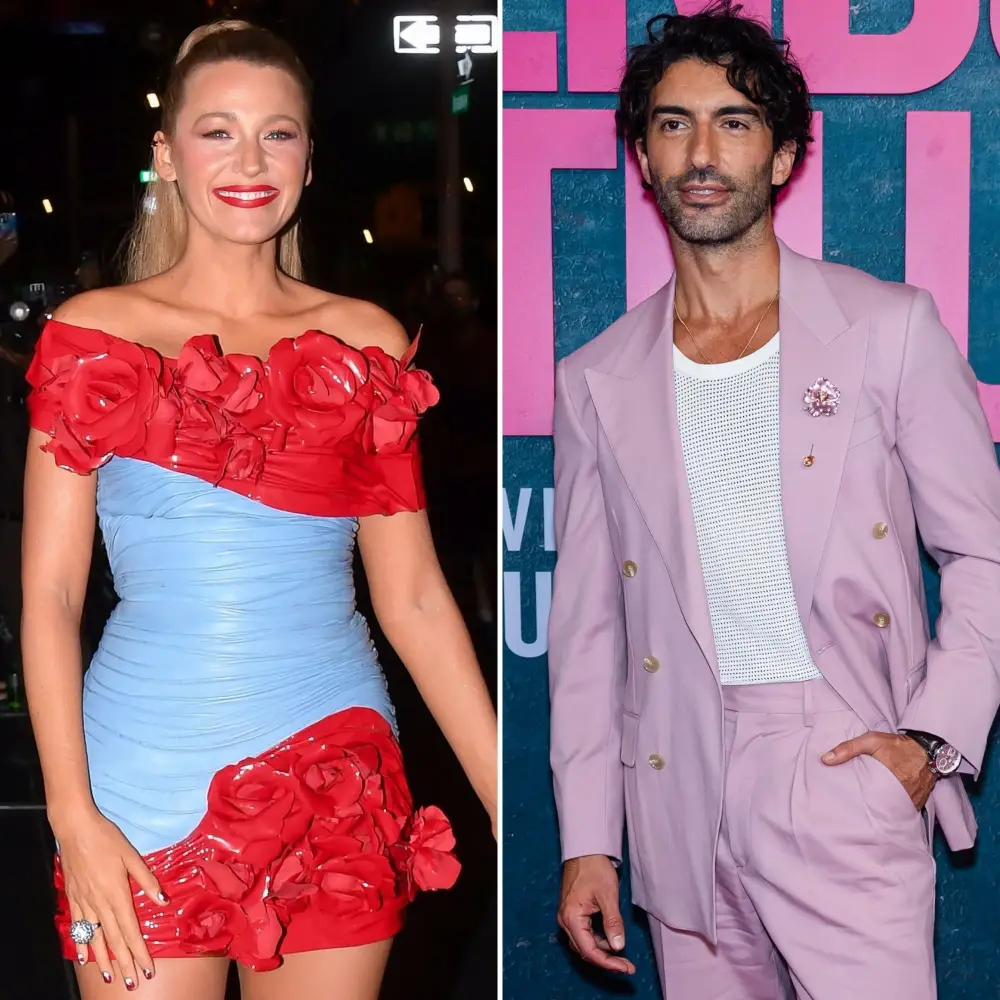
The moment a judge sided decisively with Blake Lively over Justin Baldoni’s deposition plea, the carefully curated illusion of Hollywood glamour cracked just enough to reveal something far less polished. The public seldom glimpses the backstage theater where power, ego, and legal stratagems collide. But here, in this charged legal entanglement, the lines between victim and aggressor blur, challenging us to rethink what we believe about celebrity and control.
The story is not simply about who wins or loses in a courtroom, but about the performative nature of conflict among those who have mastered the art of public image. Blake Lively, with her impeccable poise, has become more than an actress; she’s a symbol of agency in a world that often demands compliance from women. Justin Baldoni, on the other hand, faces the rare scrutiny of the very systems that prop up his own curated persona. What does it mean when the public facade meets the cold, unyielding machinery of justice?
The Beautiful Mask Cracks
Hollywood thrives on myths—carefully spun tales that shape the way we see its inhabitants. The legal dispute hints at a different narrative: one where power dynamics are anything but straightforward. When a judge dismisses a deposition plea, it’s more than a procedural victory; it’s a public nod to whose story carries weight and whose can be dismissed as mere noise.
“There’s a peculiar kind of violence in silencing,” Lively reportedly said, a phrase that hangs heavy in this unfolding saga. It’s a reminder that behind every star-studded smile lies a battle for voice and agency, a struggle often hidden beneath layers of PR finesse and social capital.
When Influence Becomes a Double-Edged Sword
Justin Baldoni’s public image—anchored in progressive ideals and heartfelt activism—makes this clash feel like a paradox. How does someone who champions empowerment reconcile being challenged so fiercely in a legal arena? The answer, perhaps, lies in the intricate dance of celebrity influence where personal narrative and public expectation are locked in constant negotiation.
This isn’t just a private spat made public; it’s a spectacle that forces us to confront how society valorizes some voices while undermining others, especially when those voices inhabit the rarefied air of fame. The courtroom drama strips away the gloss to reveal something raw and uncomfortable: fame is not a shield, but sometimes a magnifying glass for conflict.
The story lingers—not because it offers easy answers, but because it asks us to look closer at the intersection of justice and celebrity, at who gets heard and who remains in the shadows. As the gavel falls and the headlines fade, what remains is the unsettling question: in a world obsessed with image, how do we know when the performance ends and reality begins?






When Mercy Meets Tragedy: The Widow Who Forgave Her Husband’s Killer
The air thickens when forgiveness enters a room meant for grief. Imagine...
 Chris Marks1 Mins read

When Fear Became a Lifeline: Pete Davidson’s Reckoning in Rehab
There’s a silence that follows a mother’s voice when she confesses her...
Joseph Bennett1 Mins read

Pete Davidson’s mom told him in rehab worst fear was learning he died
Pete Davidson is opening up about the heartbreaking moment he had with...
Chris Marks2 Mins read

Katie Couric’s Unexpected Spin on Sydney Sweeney’s American Eagle Ad: What’s Really Being Said?
Katie Couric stepping into a scene dominated by Gen Z glamour feels...
 Krista Freeland2 Mins read





Leave a comment