

Sauce Gardner’s $120M Statement: But What’s the Real Price of Elite Defense?
The Jets just inked Sauce Gardner to a historic $120.4M extension—making him the highest-paid cornerback ever. Behind the numbers lies a bold organizational declaration: defense matters again. But will it deliver results?
 Kirsten CollinsJuly 15, 20251 Mins read16

A four-star contract can signify many things—loyalty, belief, restraint. But when the Jets hand Sauce Gardner a four‑year, $120.4 million extension, they’re making a louder statement: they’re building through defense, and he’s non-negotiable.
The question isn’t whether he earned it—two-time All-Pro, Defensive Rookie of the Year—but whether elite cornerbacks now define a team’s identity, and if that foundation can win games.
Valuing Invisibility
Cornerbacks live in an odd space: flawless performance often earns no credit. Gardner allowed just 4.6 yards per target in his first two seasons and kept quarterbacks away—yet his interception numbers remain modest. Still, his salary eclipses Derek Stingley Jr.’s by a hair, cementing the Jets’ belief in shutdown angles, not splash plays. Gardner himself said, “This is only the beginning,” acknowledging the broader vision behind the dollars.
The Corner as Cornerstone
This comes a day after Garrett Wilson’s $130 million extension, signaling the Jets’ intent to secure both ends of the field. Under new GM Darren Mougey—and coach Aaron Glenn, a former Pro Bowl corner—the franchise has moved from protracted negotiations to decisive action. They’ve committed over $250 million to homegrown talent. But in a 5–12 team, money alone won’t shift outcomes. Now it’s pressure time: can Gardner’s shadow battles translate into real victories?
Gardner’s record contract shifts the narrative: corners aren’t just suppressing plays—they’re expected to create them. But as defenses evolve, so do expectations. Has the Jets’ largest defensive gamble bought a season—or will history remind us that coverage doesn’t count on paper?







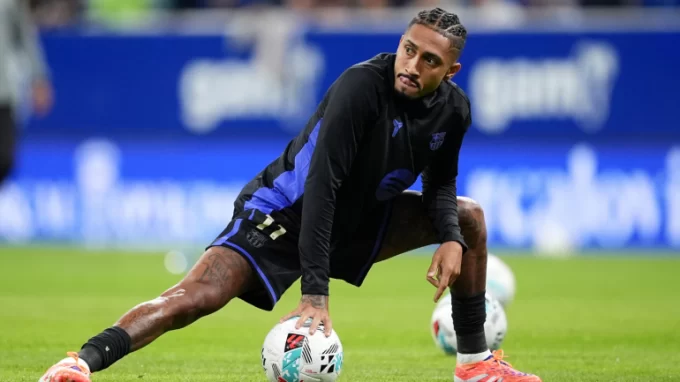
Barcelona’s Fragile Pursuit: When Injuries Threaten More Than Just a Season
A silence spreads over Camp Nou that no roar can drown out—two...
 Chris Marks2 Mins read
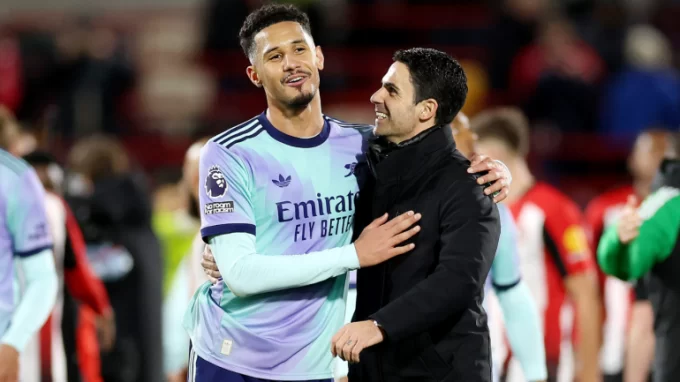
William Saliba: Arsenal’s Silent Architect or Its Greatest Gamble?
The air inside the Emirates shifts with unspoken tension—William Saliba, once a...
 Joseph Bennett2 Mins read
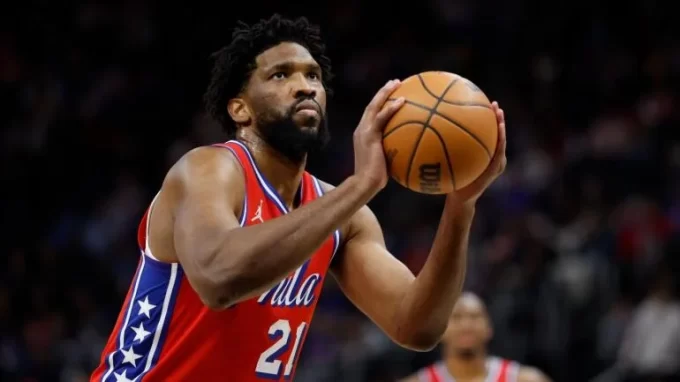
Joel Embiid’s Quiet Confidence: Is the 76ers’ Giant Ready to Rewrite His Story?
Joel Embiid is rarely one to make noise without purpose, and now,...
Kirsten Collins1 Mins read
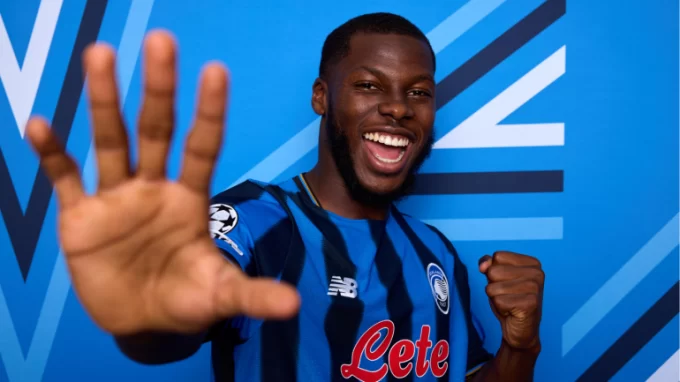
Juventus, Atalanta, and Arsenal’s Quiet Revolution: What’s Really Shaping This Week in Football?
The roar of Serie A stadiums masks a subtle shift, one that...
Kirsten Collins2 Mins read



Leave a comment