

When Protest Songs Echo in a Nuclear Silence
Joan Baez, Graham Nash, and a chorus of cultural icons are signing open letters again—but this time, the melody is existential. Who’s listening when peace becomes passé?
 Chris MarksAugust 6, 20252 Mins read25
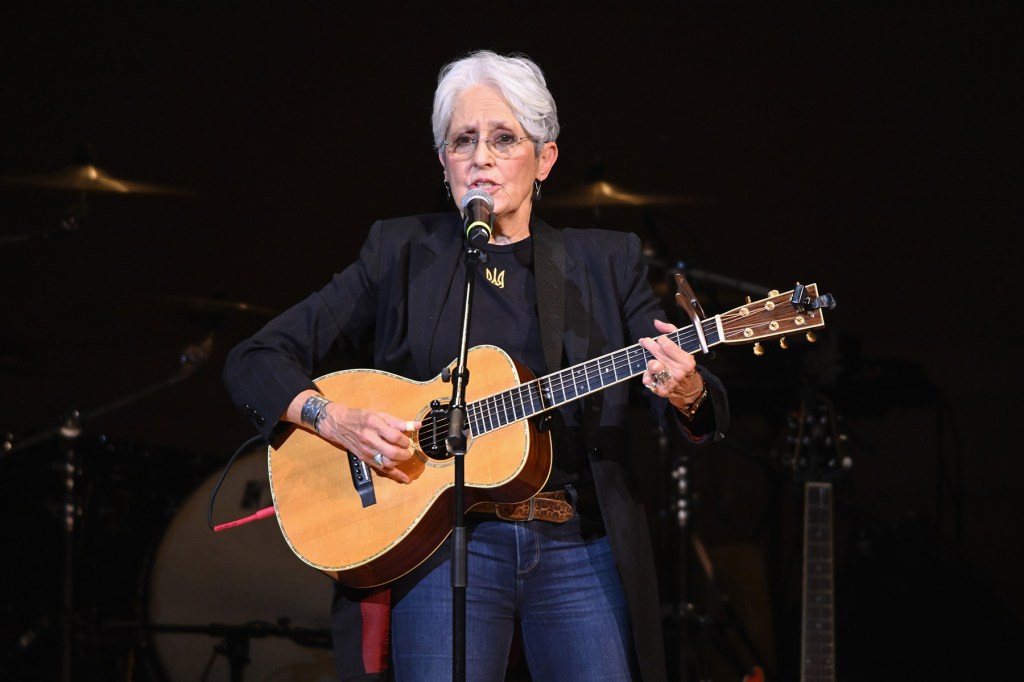
The old voices never fully went quiet; they just grew hoarse from decades of shouting into a geopolitical abyss. But now they’re clearing their throats again. Joan Baez. Graham Nash. A cadre of cultural veterans whose names once headlined festivals and filled protest marches are back—penning open letters, warning of nuclear brinkmanship, and pleading for the world not to forget what it’s standing on: a hair-triggered bomb disguised as modern diplomacy.
They’ve seen this game before—the war drums, the dead-eyed briefings, the polite language of annihilation. But something about 2025 feels more electric, more reckless. The Cold War never really ended; it just learned how to refresh its brand. And now the icons of resistance—some with Grammys, some with handcuffs in their history—are sounding the alarm once again. The problem? Their microphones are no longer plugged into the national sound system.
Fame Fades, But Fallout Lingers
The letter is signed with sincerity. It calls for disarmament, for responsibility, for sanity. But does anyone still believe that celebrity voices can interrupt policy? Or have we culturally downgraded moral clarity to mere nostalgia? There’s a haunting elegance to these musicians, these authors, these lifelong resisters: they’ve been fighting for peace longer than most politicians have been alive. “We have grown tired, but not quiet,” Baez is quoted as saying years ago. That fatigue carries weight, but in a culture hooked on newness, it may not carry traction.
The tragedy isn’t that people no longer care about nuclear war—it’s that they’ve stopped believing they can do anything about it. Apathy has become the most effective form of censorship. The world doesn’t need another anthem, it needs accountability. And yet here we are, gathering signatures like rain in a sieve.
Letters from the Last Era
There’s something undeniably romantic about the open letter: the assumption that words can still awaken. That collective moral pressure still matters. But the letter, like the album or the paperback, is a relic struggling to stay relevant. The internet moves too fast for nuance, and peace—unlike war—has no spectacle. Still, these artists insist. They lend their names, their reputations, their belief that words mean something, even if only whispered into the void.
Perhaps that’s the real act of defiance—not the hope that things will change, but the refusal to stop asking for it. Maybe it’s not about the effect, but the echo. Maybe a generation raised on protest doesn’t need applause; it just needs to know it didn’t go quietly. Because silence, in this case, is more dangerous than dissent.
They say when the bomb falls, there won’t be a soundtrack. No chorus, no encore. Just flash and fallout. But for now, there are still those who sing. And the question that haunts every word they write: if the world ends to no applause, was it ever really listening?




Laufey’s Opening Night Show at LA’s Crypto.com Arena: Best Moments
Laufey opened a two-night stand at Crypto.com Arena in downtown Los Angeles...
Chris Marks6 Mins read
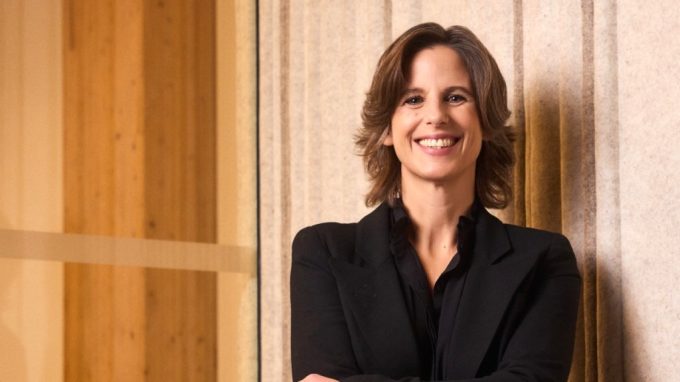
Julie Adam Is Billboard Canada Women in Music’s 2025 Exec of the Year
Julie Adam is having a milestone year — and it’s getting even...
Chris Marks4 Mins read
Spinal Tap Tribute Album with Foo Fighters,Tool for Teen Cancer America
Spinal Tap may be a fake band, but its music is very...
Chris Marks2 Mins read
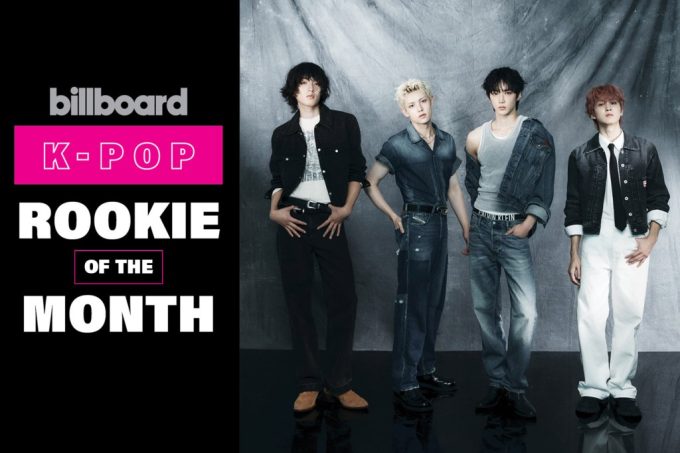
AxMxP Is K-Pop Rookie of the Month for September: Exclusive Photos
Ha Yoo Joon Image Credit: Chin Soyeon You debuted on Sept. 10....
Chris Marks2 Mins read





Leave a comment