

John Cena vs. Randy Orton: The Rivalry That Defined An Era—But What’s Next?
John Cena and Randy Orton have waged some of the most iconic battles in WWE history, but as their legendary rivalry prepares to reignite, one question looms: Is this a final chapter—or just the beginning of a new war?
 Krista FreelandMay 7, 20253 Mins read35
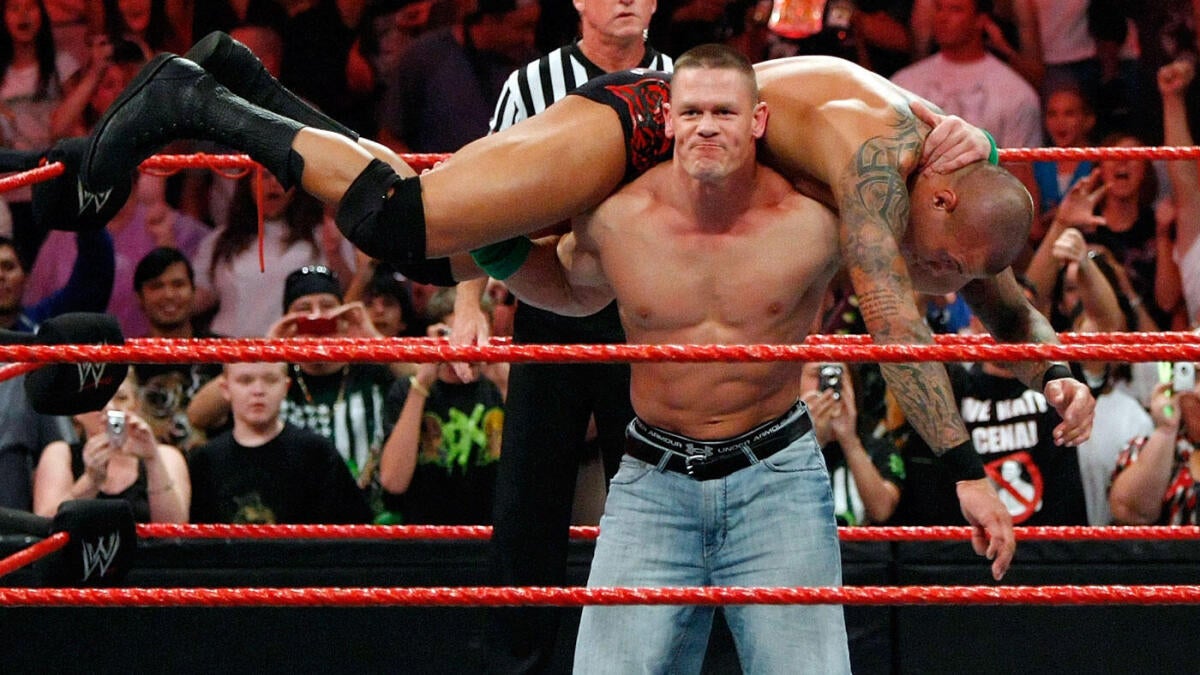
In the ring, they are everything to each other—adversaries, equals, ghosts of the WWE past and future. John Cena and Randy Orton’s rivalry has been more than just a series of matches; it’s been an unraveling story that has spanned the length of an entire era, defined by ambition, betrayal, and raw, unapologetic aggression. With WWE Backlash 2025 on the horizon, it’s not just a matter of what happens next. It’s a question that hangs in the air like a weighty silence: Is this the final act, or merely another chapter in the unfolding tale of two titans?
These two men are the embodiment of WWE itself—raw charisma, defiance, and untold ambition wrapped in championship belts and bloodied faces. The first time Cena and Orton clashed in the ring, it wasn’t just about the match. It was about the soul of the business. And in the years since, every battle between them has been a battle for something more: the mantle of greatness itself. But where does that fight lead, now that both men have evolved into larger-than-life figures, each with their own legacy hanging over them?
The Early Years: A Rivalry Born of Youth and Fury
When John Cena and Randy Orton first faced off, they were two men on the rise. Cena, the relentless, impossible-to-ignore face of WWE, and Orton, the cool, calculated predator—each a reflection of the wrestling world at the time, and yet, fundamentally different. The early matches between them were more than just physical contests; they were a psychological duel, a clash of ideologies. Cena’s exuberant, all-American persona went head-to-head with Orton’s darker, more methodical aggression. The chemistry was electric. Fans were divided, picking sides, igniting the fire that still burns in WWE to this day.
But in many ways, their rivalry has always been about more than just a match. It’s been about control—control of WWE’s direction, control of their own destinies. Cena and Orton have each held the championship, each with their own definition of what it means to be at the top. Cena’s indomitable will to fight, contrasted with Orton’s eerily calm, destructive presence, turned every encounter into something that transcended mere competition. It became a battle for the very identity of WWE. They weren’t just fighting for titles—they were fighting for a future.
The Middle Years: The Betrayals, The Betrayed, And The Breaks
What makes Cena vs. Orton so captivating is not just the sheer athleticism but the way they have constantly reshaped their rivalry. Over the years, they have come to embody the cyclical nature of WWE itself: the rise and fall of champions, the shifting tides of loyalty. Cena, the eternal babyface, has been tested and bruised, but always fights back with his unrelenting resolve. Orton, on the other hand, has embraced his villainy, evolving from a cocky, arrogant young wrestler into one of the most dangerous, calculating figures the company has ever known.
In 2007, they clashed for the WWE title at No Mercy, a match that would become a cornerstone of their feud. It wasn’t just about what was on the line; it was about what was at stake—what was left to prove. And every time these two men faced off, there was a lingering question: Who really controlled WWE? Orton’s cold, efficient brutality stood in stark contrast to Cena’s relentless optimism, and yet, every match left fans wanting more. Could Orton dethrone Cena as the face of WWE? Could Cena maintain his grip on the title, or would his never-give-up attitude finally fail him?
The Legacy: But What Happens After Backlash?
So, where does that leave us today? With WWE Backlash 2025 approaching, this rivalry takes on a new layer of meaning. These two men have transcended the physicality of their matches and moved into the realm of mythology. When Cena and Orton face off again, the fight will not just be between two men. It will be a battle of legacies. For Cena, it’s the question of whether he can continue to stand tall in the face of a younger, hungrier generation of superstars. For Orton, it’s about proving that he is not just a shadow of the past but a formidable force in the present.
But there’s something else that looms over their encounters. As Cena’s career winds down and Orton’s future in WWE becomes ever more uncertain, there’s a bittersweet realization: their rivalry isn’t just about who wins or loses. It’s about what happens after the bell rings and the lights go out. What becomes of the superstars who have defined an era once their time in the ring is done? Will this rivalry finally come to its conclusion—one that echoes in the minds of fans forever? Or will it continue, a rematch waiting to happen?
In the end, it’s clear: the question isn’t just “Who wins at Backlash?” It’s “Who will be left standing once their story has been written?”





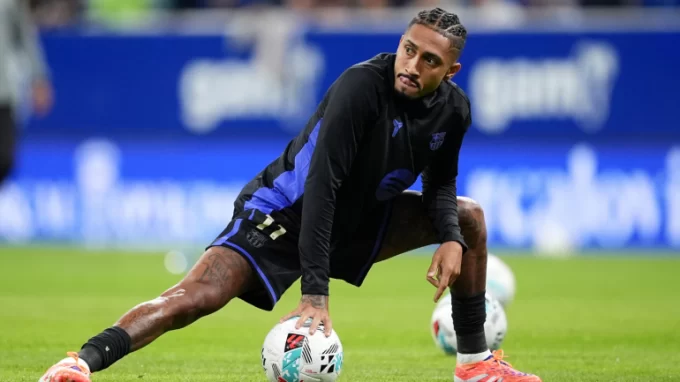
Barcelona’s Fragile Pursuit: When Injuries Threaten More Than Just a Season
A silence spreads over Camp Nou that no roar can drown out—two...
 Chris Marks2 Mins read
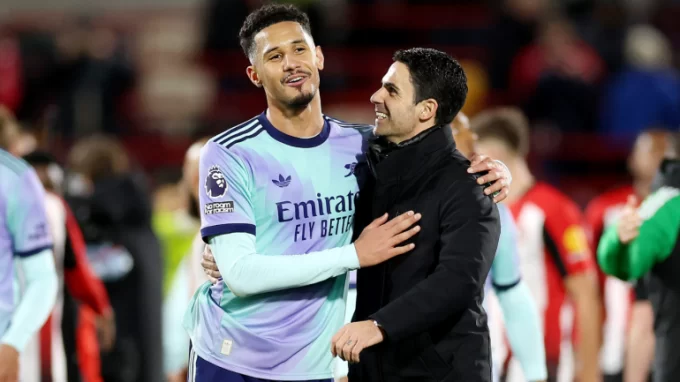
William Saliba: Arsenal’s Silent Architect or Its Greatest Gamble?
The air inside the Emirates shifts with unspoken tension—William Saliba, once a...
 Joseph Bennett2 Mins read
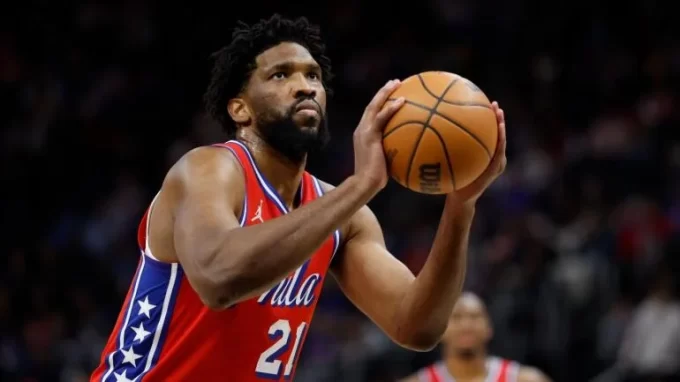
Joel Embiid’s Quiet Confidence: Is the 76ers’ Giant Ready to Rewrite His Story?
Joel Embiid is rarely one to make noise without purpose, and now,...
 Kirsten Collins1 Mins read
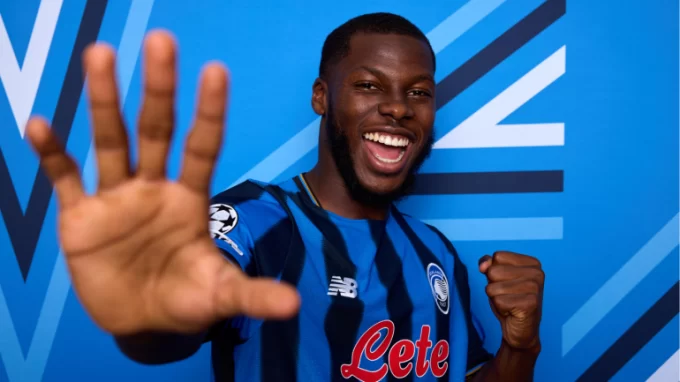
Juventus, Atalanta, and Arsenal’s Quiet Revolution: What’s Really Shaping This Week in Football?
The roar of Serie A stadiums masks a subtle shift, one that...
Kirsten Collins2 Mins read



Leave a comment