

Rise Festival 2025: The Unlikely Powerhouses Shaping Tomorrow’s Soundscape
John Mayer, Rufus Du Sol, and Calvin Harris—three names that should not exist together. Yet, this eclectic trio will headline Rise Festival 2025, creating a musical conversation that’s both thrilling and dangerous. What does this mean for the future of live music?
 Chris MarksMay 15, 20253 Mins read34

John Mayer, Rufus Du Sol, and Calvin Harris. On paper, the combination of these three acts headlining Rise Festival 2025 is a contradiction that would make even the most seasoned festival-goer pause. Mayer’s sultry guitar rhythms, Rufus Du Sol’s hypnotic electronic soundscapes, and Calvin Harris’ anthemic club beats—can these divergent musical worlds coalesce under the same banner? If so, what does this union say about the changing landscape of live music and the future of the music festival?
It’s a matchup that should not work. And yet, there it is: an intersection of genres that, on paper, reads like an experiment in musical chaos. But that chaos? It might be precisely what we need.
A New Soundscape—Or a Loud Collision?
Rise Festival has always been about pushing boundaries. In 2025, though, it seems like the boundaries are not just being pushed—they are being obliterated. Mayer, whose songs have built their success on raw, intimate storytelling, doesn’t exactly scream “EDM festival headliner.” Rufus Du Sol, on the other hand, thrives on moments that feel like transcendental journeys through sound—everything about them feels slow and meditative. Then, you have Harris, the EDM king, whose thumping basslines and chart-topping singles fuel stadium-wide dance-offs. These three—each a musical behemoth in their own right—are unlikely collaborators. But in a culture so obsessed with genre-bending and challenging norms, perhaps that’s exactly what the world craves.
A collaboration between these acts might seem absurd in isolation. But consider this: modern listeners are more than capable of holding multiple sonic realities in their ears at once. They exist in spaces where indie-folk meets ambient beats and where trap music effortlessly segues into soul. What we’re witnessing isn’t a fluke but the next phase of musical evolution—a time when the lines separating genres are less rigid and more fluid than ever before.
From Rebellion to Reflection: The Undeniable Power of Change
For Mayer, the Rise Festival appearance is a strange kind of rebirth. He’s long been the go-to for wistful pop-rock ballads, but his recent ventures into more expansive, riskier sonic territory—especially with his live improvisation—suggest a new kind of freedom. Mayer isn’t just a performer anymore; he’s a musical chameleon, navigating the line between tradition and innovation with effortless grace. And then there’s the question of Rufus Du Sol: the electronic trio who turned quiet, atmospheric sound into a global dance floor anthem. They’ve already mastered the art of blending dark emotional weight with euphoric energy, making them a natural fit for the future of festival culture. Their music doesn’t just beg you to listen—it demands that you feel.
Yet, the real intrigue may lie in the central figure of this entire conversation: Calvin Harris. While he may be a household name in the pop-music universe, Harris has become an enigma, an artist who’s shifted and evolved beyond his early DJ days. His seamless shift into mainstream pop music has allowed him to transcend the very genre that birthed him. His headline performance at Rise will not just be about making people dance—it will be about asking, what is the new standard for an “EDM” experience? Can a club DJ be as much of a rock star as a Mayer, a Rufus Du Sol?
When the headliners are as disparate as these three, you have to wonder: what does the audience expect? Are they coming for the comfort of what they already know, or for something uncharted, where the past and future of music can collide in strange and beautiful ways?
As Rise Festival 2025 approaches, the questions are piling up, and the answers seem as fluid as the genres themselves. Will Mayer’s signature ballads feel out of place on a festival stage defined by thumping bass and synthesized melodies? Or will the crowd revel in the strange synergy that these three acts inevitably create? And in the end, can the sound of the future truly be shaped by artists who have, until now, lived in separate musical worlds?
Rise Festival 2025 isn’t just about who will play—it’s about what that lineup signifies: a bold, unapologetic declaration that music is no longer about fitting into neat little boxes. It’s about boundaries breaking, genres expanding, and new voices emerging to lead us through the chaos. The real question, though, is this: are we ready to keep up with it?






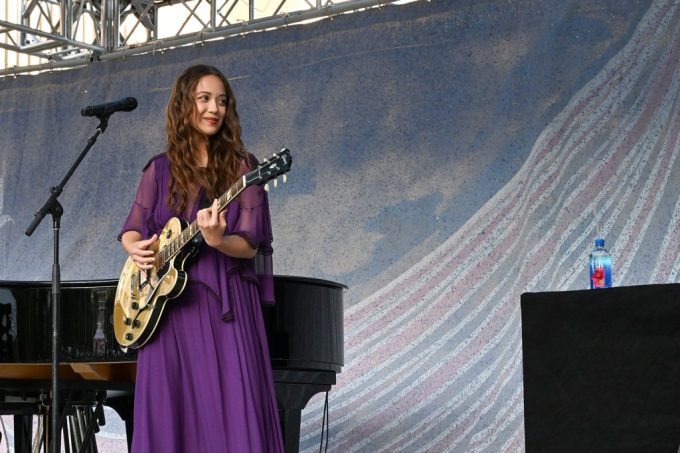
Laufey’s Opening Night Show at LA’s Crypto.com Arena: Best Moments
Laufey opened a two-night stand at Crypto.com Arena in downtown Los Angeles...
Chris Marks6 Mins read
Julie Adam Is Billboard Canada Women in Music’s 2025 Exec of the Year
Julie Adam is having a milestone year — and it’s getting even...
Chris Marks4 Mins read
Spinal Tap Tribute Album with Foo Fighters,Tool for Teen Cancer America
Spinal Tap may be a fake band, but its music is very...
Chris Marks2 Mins read
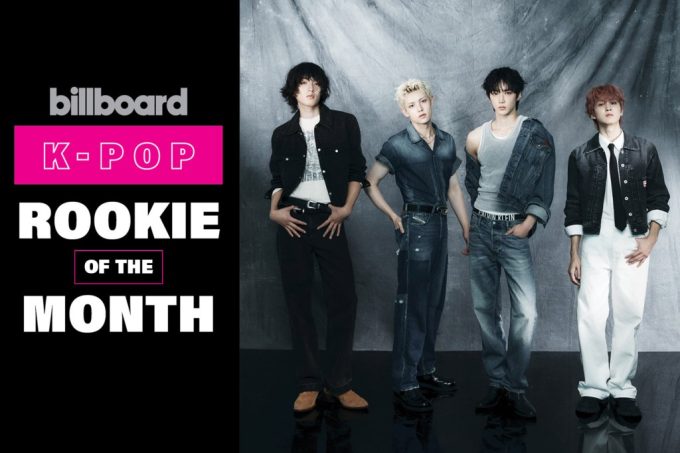
AxMxP Is K-Pop Rookie of the Month for September: Exclusive Photos
Ha Yoo Joon Image Credit: Chin Soyeon You debuted on Sept. 10....
Chris Marks2 Mins read





Leave a comment