

Johnny Depp’s “F–k You” Moment: When Hollywood Toll Meets Human Resolve
Revisiting the moment Warner Bros asked him to step away from Fantastic Beasts, Johnny Depp breaks his silence with raw defiance—revealing how one firing became a turning point in his fight for agency.
 Chris MarksJuly 9, 20251 Mins read24
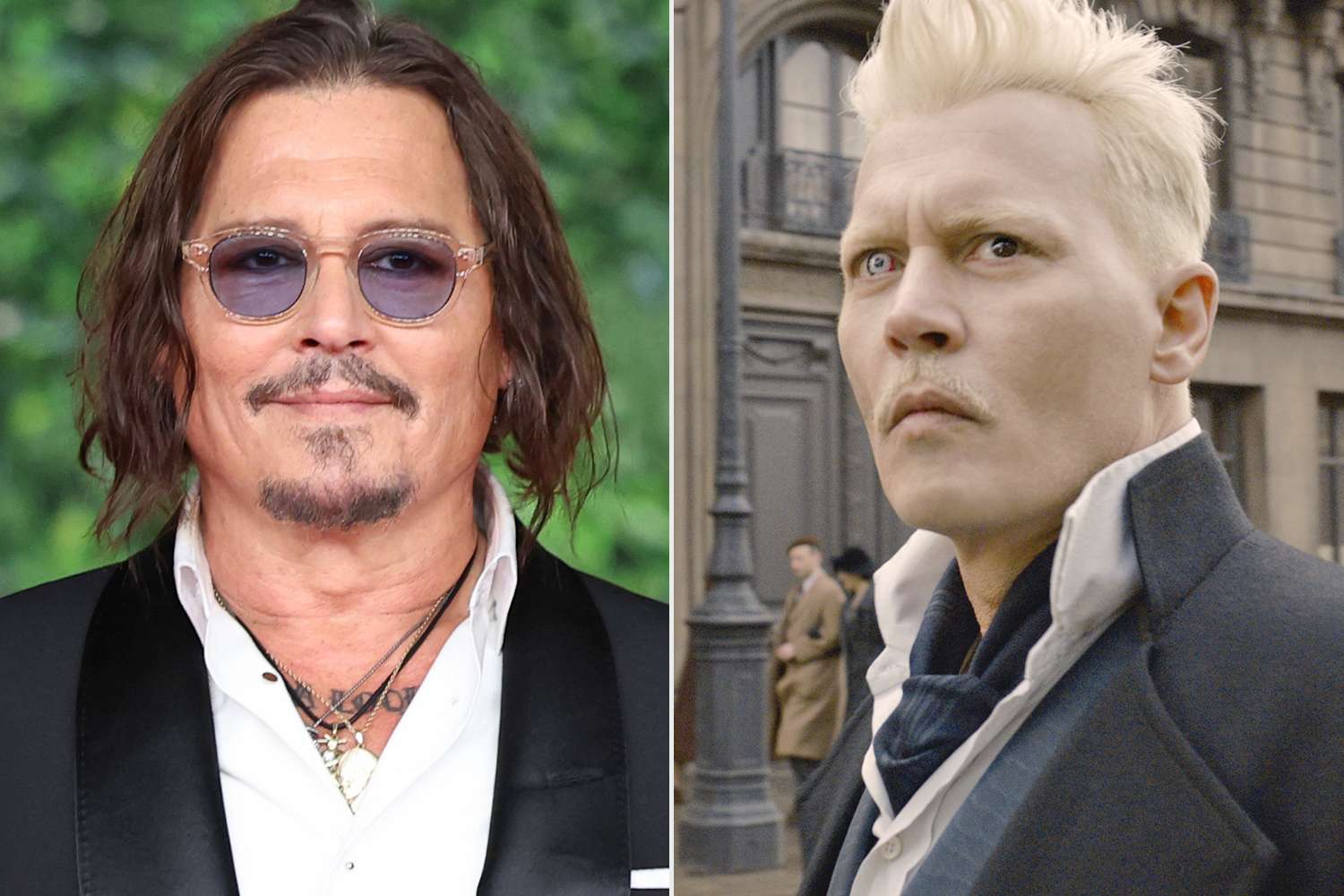
Daniele Venturelli/Getty; Warner Bros. Pictures
He was mid-take when the call came: “We’d like you to resign.” The words dropped like a final spell—erasing a character, a career arc, and confidence—in the flicker of Hollywood’s fickle lens. Johnny Depp, once the dark wizard Gellert Grindelwald, now stands defiant as he revisits that moment.
In a revelatory interview with The Telegraph, Depp recounted feeling “shunned, dumped, booted, deep‑sixed, cancelled”—but revealed the firing stung deeper than any public scorn. It felt like a forced fade-out, a prompt to bow out quietly. Instead, he spoke two scorching words: “F‑‑‑ you.”
When Reputation Meets Reputation
This wasn’t just a character exit—it triggered seismic cultural collision. Depp had weathered legal storms, fighting Heard twice in courts across the globe. Though he triumphed in the U.S., the UK libel loss had left a stain. Suddenly, his career collateral. “It literally stopped in a millisecond… They wanted me to retire,” Depp said—acrimony thinly veiled by circumstance.
Yet in that moment of silence on set, Depp decided to roar.
F–k You as Philosophy
What sounds like rage is more: a manifesto. “There’s far too many of me to kill. If you think you can hurt me more than I’ve already been hurt, you’re gravely mistaken,” he declared—recasting his defeat into defiance. No retreat, no exit—just raw reclamation.
That line travels beyond studios and tabloids—it speaks to anyone pushed to the brink and told to disappear.
Depp’s firing sparked franchise shifts—Mads Mikkelsen replaced him, the franchise itself paused while HBO eyes a reboot. But now Depp is moving forward: directing Modì: Three Days on the Wing of Madness, brewing a comeback role in Day Drinker, and probing the darker corners of celebrity and memory.
He’s not hiding behind controversy—he’s challenging it. And those two words? They ask the industry, the gossip mills, and audiences one question: when told to vanish, will you?
Because in that echo—F‑‑‑ you—resounds survival. And perhaps, something like resurgence.





What Happened Between Them? – Hollywood Life
View gallery Image Credit: WireImage Hilary Duff and Haylie Duff were once...
 Kirsten Collins2 Mins read
Pianist Omar Harfouch Brings Celebrated Figures Together for a Night of Cultural Exchange – Hollywood Life
Image Credit: Omar Harfouch On February 20, 2026, pianist and cultural figure...
Kirsten Collins2 Mins read
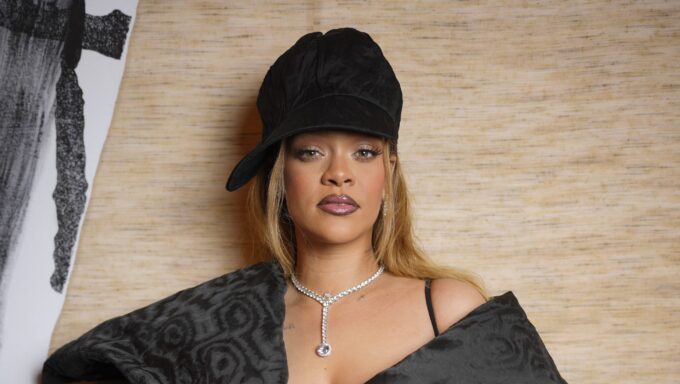
Who Is Ivana Lisette Ortiz? About the Rihanna Home Shooting Suspect – Hollywood Life
Image Credit: WWD via Getty Images The suspect in the March 8,...
Kirsten Collins1 Mins read

What Channel Are the Academy Awards On? – Hollywood Life
Image Credit: AFP via Getty Images The 2026 Academy Awards will bring...
Kirsten Collins1 Mins read





Leave a comment