

Blake, Keith, and the Ghost Notes of Fame
In The Road, Blake Shelton and Keith Urban aren’t just strumming guitars—they’re digging into a country music legacy that might be burning from the inside. But what, exactly, are they trying to outrun?
 Chris MarksMay 7, 20252 Mins read215
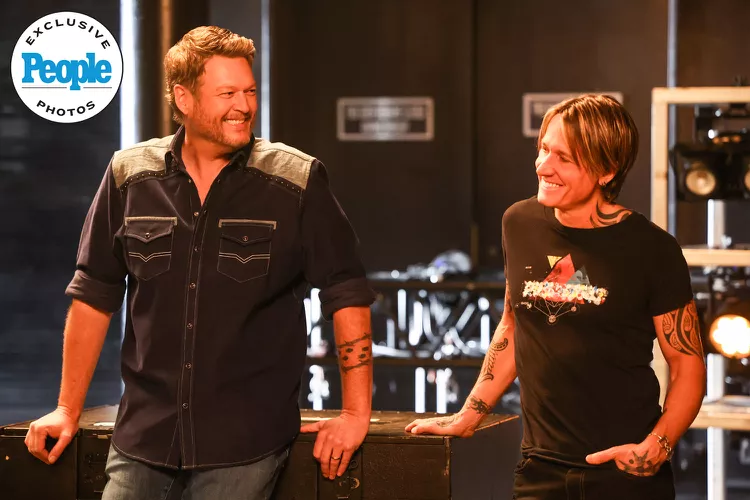
Somewhere between Nashville’s neon romance and the dust-bitten edges of America’s highways, two country titans are staging something that looks like nostalgia—but smells faintly of reckoning. Blake Shelton and Keith Urban are going on The Road, a new docuseries that, on the surface, promises a love letter to country music’s heartland roots. But if you listen closely, there’s a minor chord playing underneath.
Both men have become more than musicians. Shelton, the TV-friendly everyman with a sly grin and sharp tongue. Urban, the Australian export who somehow mastered the aching poetry of American sound. They’ve made their fortunes in music that’s marketed as humble but manufactured with machine-like precision. So why this sudden detour? Why now, and why together?
The Song Behind the Song
The Road traces their return to dive bars, diners, and the kind of unfiltered stages where country music was baptized in smoke and sin. But this isn’t a clean pilgrimage. It’s two icons retracing their pasts—and maybe trying to find a version of themselves that fame quietly erased.
“I wanted to feel that feeling again,” Shelton mutters in one scene, voice low, as if confessing to a former lover. It’s a phrase that ought to be simple. But when you’ve built your life on selling a feeling, trying to reclaim it becomes a different kind of act. Urban plays the foil, the spiritual seeker in leather and denim. He asks better questions than he answers.
There’s a sense that the two aren’t just making a series—they’re staging a cultural séance. Who is country music for now? Is it still about the people on the road, or just the ones watching from the penthouse suite above the arena?
Two Cowboys in the Fog
This isn’t a redemption arc. There’s nothing to redeem. Shelton and Urban remain kings of the genre. But The Road complicates their reign, especially when it touches on the subtle rot beneath country music’s golden surface—the genre’s uneasy dance with politics, its curated inclusivity, its aching disconnection from the very towns it claims to celebrate.
There are moments when the camera lingers too long, as if catching something it wasn’t supposed to. A glance. A silence. A question hanging in the air unanswered. In those spaces, the show becomes more than entertainment. It becomes a quiet interrogation. What does it mean to be authentic in an industry that sells authenticity like bottled water?



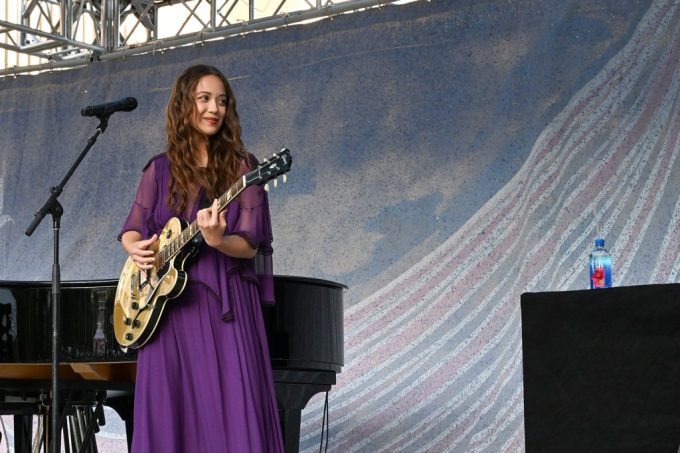
Laufey’s Opening Night Show at LA’s Crypto.com Arena: Best Moments
Laufey opened a two-night stand at Crypto.com Arena in downtown Los Angeles...
Chris Marks6 Mins read
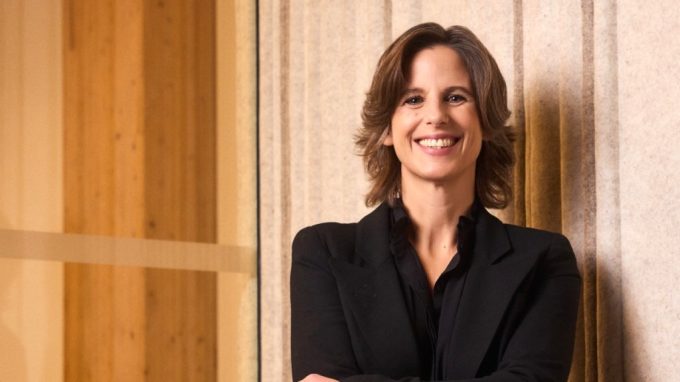
Julie Adam Is Billboard Canada Women in Music’s 2025 Exec of the Year
Julie Adam is having a milestone year — and it’s getting even...
Chris Marks4 Mins read
Spinal Tap Tribute Album with Foo Fighters,Tool for Teen Cancer America
Spinal Tap may be a fake band, but its music is very...
Chris Marks2 Mins read
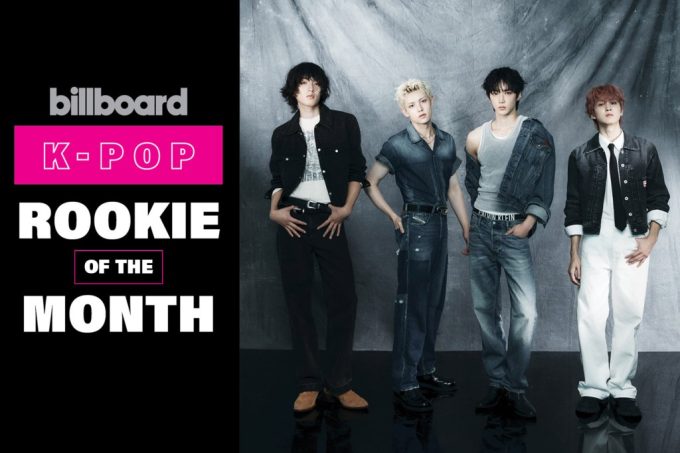
AxMxP Is K-Pop Rookie of the Month for September: Exclusive Photos
Ha Yoo Joon Image Credit: Chin Soyeon You debuted on Sept. 10....
Chris Marks2 Mins read





Leave a comment