

Melanoma, Allegations, and the Theater of Teddi Mellencamp
Teddi Mellencamp’s latest cancer diagnosis arrives not in the stillness of private pain, but under the full glare of Bravo scandal and affair rumors. Is it coincidence—or the choreography of a wounded brand?
 Joseph BennettAugust 5, 20252 Mins read21

It landed like a plot twist written by an algorithm that knows its audience too well: one week, Teddi Mellencamp is accused of being the “other woman” in a Bravo affair triangle, and the next, she’s sharing news of her stage 2 melanoma. The post is pointed, sterile, and devastating—less like a cry for help than a well-timed press release. One suspects she knew exactly what kind of headline it would make.
This is not to diminish her illness—no rational reader would. But to ignore the timing is to ignore how reality stars, groomed in the glittering dust of confessionals and cut scenes, have learned to weaponize vulnerability as narrative armor. Teddi isn’t just sharing her health journey. She’s reclaiming a narrative hijacked by tabloids, Reddit threads, and Bravo’s ever-hungry audience.
Skin Deep, Scandal Thick
Let’s be honest: Teddi Mellencamp has never been the most compelling character in Bravo’s cinematic universe. Her presence on The Real Housewives of Beverly Hills was defined more by her earnestness than her intrigue. So when The Valley began erupting with Jax Taylor–related affair rumors, it felt like someone else’s drama—until suddenly, her name was dropped into the eye of the hurricane.
“People can say what they want,” she posted, after her diagnosis became public, “but I won’t let a lie define me.” Yet the lie in question—the affair rumors, unconfirmed and slippery—had already done its job. She’d become clickable again. And now, in a swift pivot, she was also sympathetic. Not scandalized, but scarred.
It raises a queasy question: when a reality star shares something real, something dire, do we still know how to believe them?
The Economy of Empathy
Instagram, once the domain of brunch and beach shots, has become our era’s confessional booth. But unlike the sanctity of church, this booth is monetized, magnified, and crowded. Illness becomes a caption. Scars become statements. What was once quiet has become curated.
Teddi’s melanoma journey is not a sideshow—but it is now part of a larger spectacle, and it’s difficult not to see the tension between her very real health battle and the very public chaos swirling around her. She is both patient and protagonist, survivor and storyline. In the Bravo ecosystem, no pain goes undocumented. No wound is without its watchers.
And what’s most striking isn’t the diagnosis—it’s the symmetry. Scandal breaks, diagnosis drops, sympathy swells. One wonders whether fame, in its late stages, starts to mimic illness itself: chronic, exhausting, and increasingly hard to treat without exposure.
So here we are. A woman with cancer. A reality show in freefall. A scar, visible to the world, as both proof and deflection.
And somewhere in the comments, someone asks: What if this is all a distraction?
Maybe the real question is—from what?





When Mercy Meets Tragedy: The Widow Who Forgave Her Husband’s Killer
The air thickens when forgiveness enters a room meant for grief. Imagine...
 Chris Marks1 Mins read
When Fear Became a Lifeline: Pete Davidson’s Reckoning in Rehab
There’s a silence that follows a mother’s voice when she confesses her...
Joseph Bennett1 Mins read
Pete Davidson’s mom told him in rehab worst fear was learning he died
Pete Davidson is opening up about the heartbreaking moment he had with...
Chris Marks2 Mins read
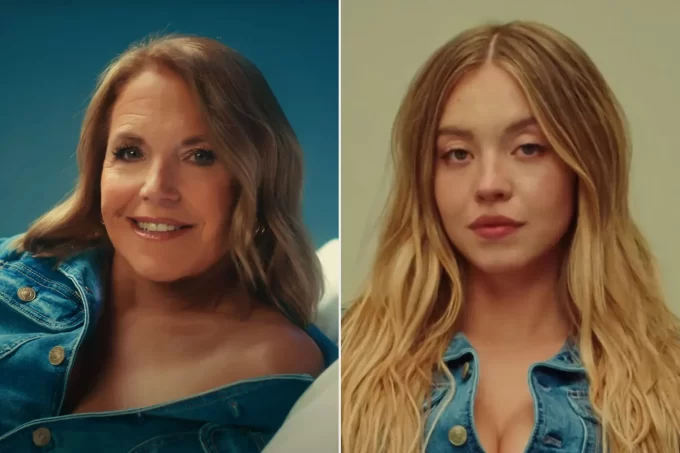
Katie Couric’s Unexpected Spin on Sydney Sweeney’s American Eagle Ad: What’s Really Being Said?
Katie Couric stepping into a scene dominated by Gen Z glamour feels...
 Krista Freeland2 Mins read


Leave a comment