

Why We Watch the Devil Smile: The Seduction of True Crime
It’s not just about justice or curiosity—it’s voyeurism wrapped in virtue. The true crime obsession on Max is less about solving and more about surrendering.
 Joseph BennettAugust 5, 20252 Mins read22
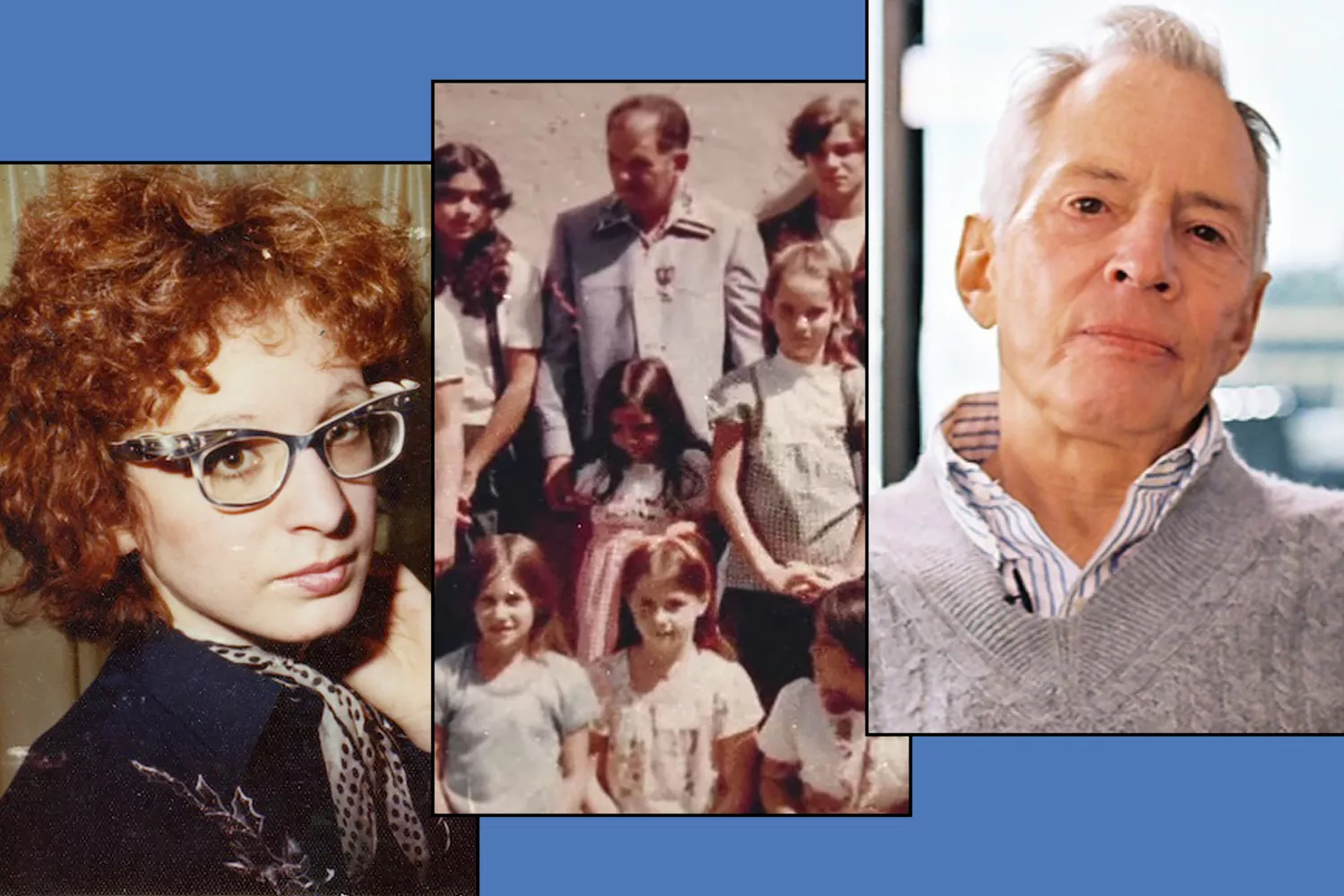
They don’t scream. They confess. That’s what’s most haunting about the best true crime documentaries now streaming on Max: no slasher flick shrieks, no cheap jump scares—just quiet, devastating truth, confessed straight into the lens. It’s not horror. It’s something cooler, more elegant. And infinitely more dangerous.
From The Curious Case of Natalia Grace to Mind Over Murder, Max’s curated library feels less like TV programming and more like a curated gallery of human undoing. We’re no longer watching crime—we’re watching society unravel in hi-def. What was once the realm of pulp magazines and 11 o’clock news segments has now become prestige content. Prestige. That word alone should terrify us.
Crime Has Become the New Couture
Like a Balenciaga bag or a Virgil Abloh sneaker drop, true crime has become cultural currency. To say you binge The Jinx or I’ll Be Gone in the Dark isn’t to admit darkness—it’s to signal taste. You’re in the know, in the club, above the gore. “I love the psychology behind it,” people say, as if that absolves the rest.
But what exactly are we loving? The eerie score? The minimalist reenactments? The slow, sexy build toward someone else’s trauma? The camera lingers over bloodied dolls, family photos half-burned, phone calls that end in silence. These are not just crimes; they’re aestheticized tragedies, meticulously edited into visual narcotics.
One producer, half-smiling in a recent Q&A, called true crime “a storytelling playground.” A playground. For death. The line between document and drama has collapsed—and we’re applauding the wreckage.
We’re Not Solving Crimes—We’re Performing Concern
There’s an unsettling duality at play. On the surface, these documentaries are about justice. Inwardly, they’re about indulgence. The audience—the affluent, podcast-primed, ethically flexible masses—don’t want closure; they want access. Access to the killer’s thoughts, the victim’s final day, the shaky bodycam footage that shouldn’t be public but somehow is.
And Max delivers it all with a premium sheen, wrapping our worst instincts in HBO gloss. It’s cultural capitalism at its finest: repackaging trauma as dinner-party conversation. We stream stories of serial rapists while scrolling for recipe ideas. We take “breaks” from binging The Staircase to hydrate.
Where is the line between empathy and exploitation when the pause button sits right beside the popcorn?
The documentaries are only getting sharper, more seductive. They feel smarter than we are—curated with the confidence of a medium that knows it doesn’t need to explain itself anymore. Because we’re already sold. The credits roll, and instead of feeling horror, we feel complete. Enlightened. Entertained. Ready for the next.
But what happens when we run out of real tragedies to tastefully frame?
Maybe we’ve already crossed that quiet, unspoken threshold. The one where the viewer isn’t separate from the story anymore. We’re not watching the devil. We’ve invited him in. And we’ve learned to admire his editing.




Pianist Omar Harfouch Brings Celebrated Figures Together for a Night of Cultural Exchange – Hollywood Life
Image Credit: Omar Harfouch On February 20, 2026, pianist and cultural figure...
 Kirsten Collins2 Mins read
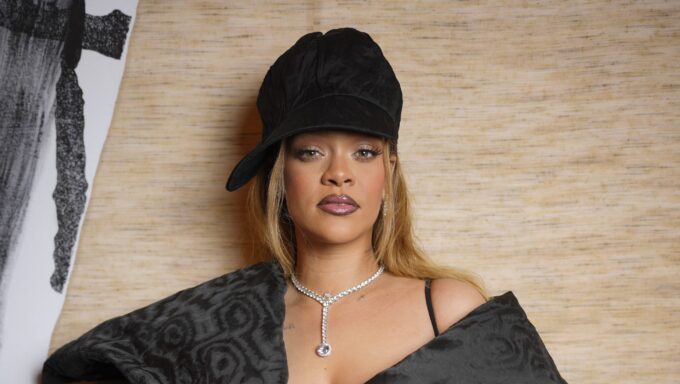
Who Is Ivana Lisette Ortiz? About the Rihanna Home Shooting Suspect – Hollywood Life
Image Credit: WWD via Getty Images The suspect in the March 8,...
Kirsten Collins1 Mins read
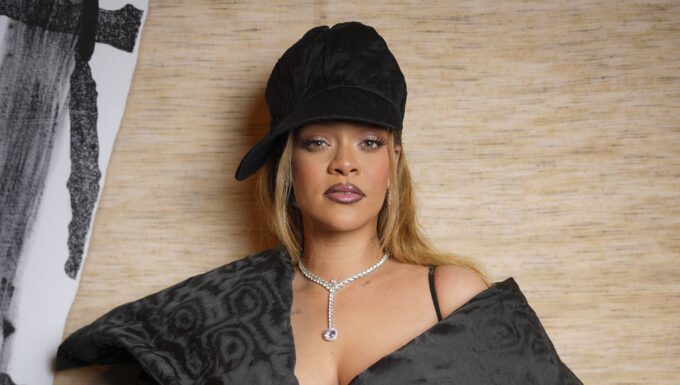
How Much Money Does She Have Now? – Hollywood Life
Image Credit: WWD via Getty Images Rihanna may be known as one...
Kirsten Collins2 Mins read
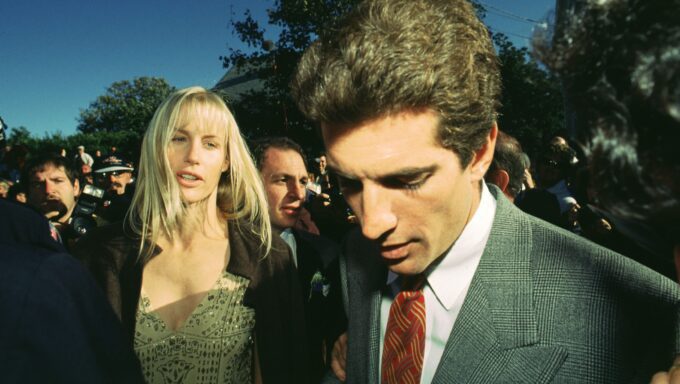
Stars Who Slammed ‘Love Story: JFK Jr. & Carolyn Bessette’: Statements – Hollywood Life
Image Credit: Getty Images FX’s Love Story: John F. Kennedy Jr. and...
Kirsten Collins2 Mins read





Leave a comment