

Juliet Prowse Danced Like She Knew a Secret
South African-born Juliet Prowse didn’t just dance her way into Hollywood—she choreographed her own mythology. But what did she leave behind in the spotlight’s blind spots?
 Chris MarksApril 30, 20252 Mins read38

She moved like velvet unraveling—deliberate, luxurious, with a hint of rebellion stitched into every spin. When Juliet Prowse first appeared onscreen, American audiences didn’t just see a dancer. They saw a question mark in heels.
Tall, flame-haired, with a gaze that suggested she knew more than she let on, Prowse was not just another ingénue slotted into MGM’s machine. She emerged from South Africa—a place American audiences associated more with newsreels than nightclub glamour—and slipped seamlessly into the heart of Hollywood’s post-war dream. Yet beneath the sequins and romance headlines, she remained strangely elusive. The public loved her. But did they ever really know her?
The Woman Who Turned Down Sinatra
It’s too easy to say she was famous for her legs, though that was the tabloid shorthand of the era. Insurance policies were drafted. Flashbulbs were obsessed. But what the press rarely parsed was that Juliet didn’t just dance; she choreographed her own narrative, sometimes literally, often psychologically. “Dancing gave me a kind of control,” she once said, in a tone that suggested she was talking about more than movement.
Her relationships—Sinatra, famously, and then Elvis—were played like cabaret acts in the public eye. But neither man defined her, and both were ultimately dismissed. Who walks away from Frank Sinatra? Who, at the peak of Las Vegas’ masculine mythology, holds her ground and insists on autonomy? Juliet did. Not loudly. Not with a manifesto. But with steps that told the story: I belong to no one’s spotlight but my own.
Fame With an Accent
There’s a particular kind of outsider who makes it in Hollywood—not the kind that assimilates, but the kind who reframes the entire lens. Juliet, with her clipped vowels and exacting movement, never quite fit the girl-next-door mold. That was her power. Yet it was also her curse.
As the industry shifted toward realism and grittier narratives in the 1970s, Prowse’s elegance was cast aside, misread as ornamental rather than elemental. She retreated—not into obscurity, but into a quieter form of influence. Television specials. Theatre tours. A life lived just outside the central narrative. Was that by design, or by exile?
That’s the haunting thing about her legacy. It isn’t incomplete—it’s coded.
She didn’t vanish. She edited herself out.
By the time her final curtain came in 1996, Juliet Prowse had stopped chasing roles and started reclaiming space. But the question lingers like perfume on an empty stage: did we ever applaud the right performance? Or were we too distracted by the legs to notice the spine?








When “107 Days” Meets Outcry: Harris’s Book Tour Interrupted
The microphone crackled to life, and before Harris could finish her opening...
Chris Marks1 Mins read
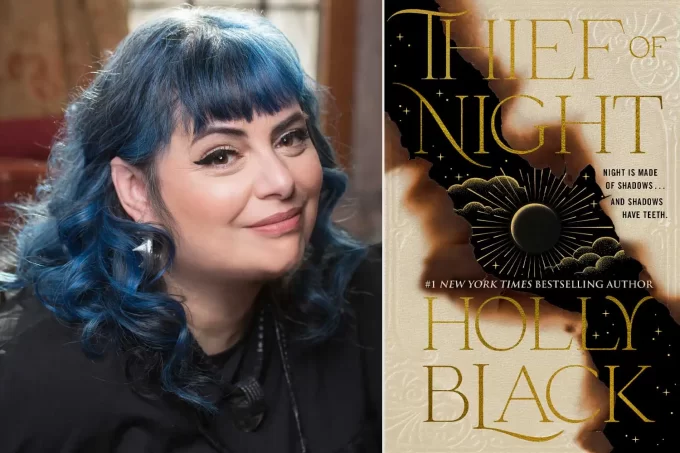
Whispers in the Shadows: Why Holly Black’s Sequel Is a Dark Invitation We Can’t Ignore
The night isn’t just dark—it’s ravenous, greedy, and it’s coming for you....
Chris Marks2 Mins read
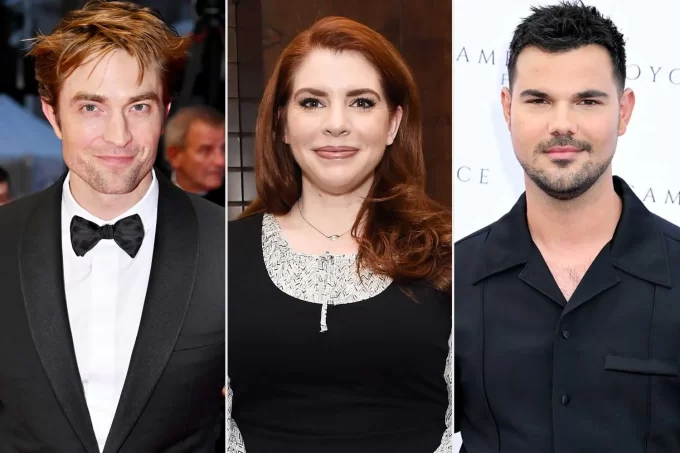
Why Stephenie Meyer’s Regret About Edward Changes Everything You Thought You Knew
The moment Stephenie Meyer admitted she wouldn’t pick Edward Cullen today, a...
Chris Marks2 Mins read

When Fear, Fury & Feathers Collide: Cinema, Superheroes, and a Confessional Album
Open with tension—the kind that threads through a scream, a reveal, and...
Chris Marks2 Mins read





Leave a comment