

Kali Malone’s ‘All Life Long’: Music That Refuses to End
With All Life Long, Kali Malone creates a soundscape that stretches time, distills grief, and asks—what does music become when it’s no longer trying to please?
 Kirsten CollinsMarch 2, 20241 Mins read96
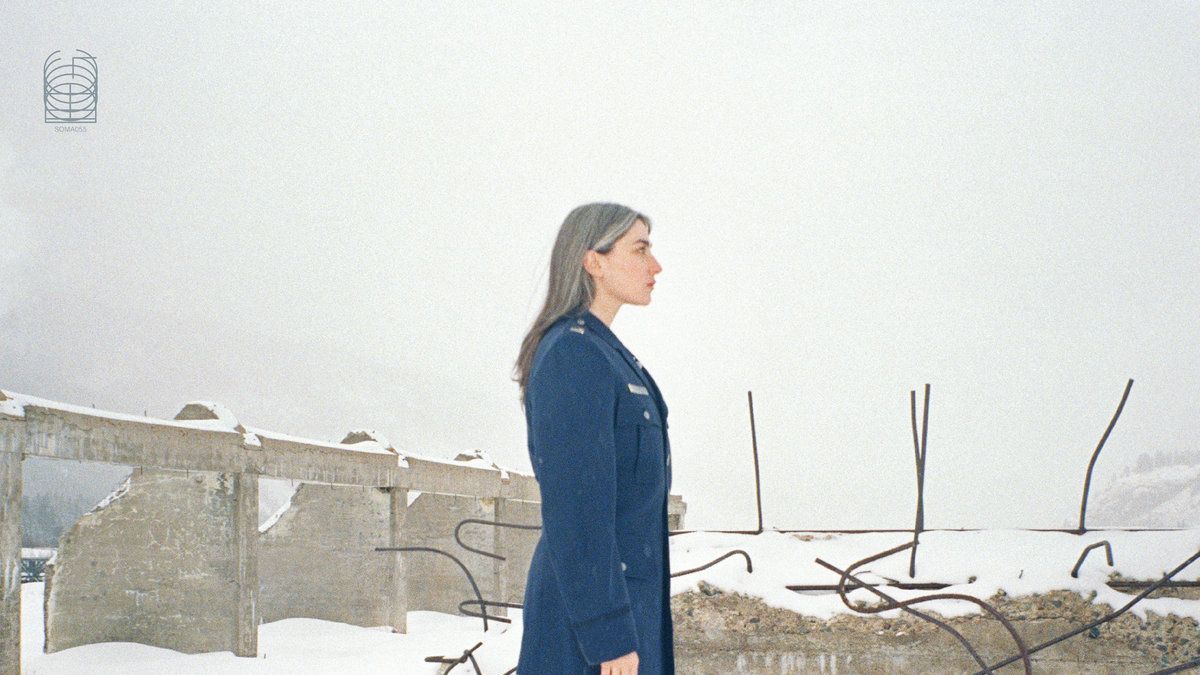
The first note doesn’t begin. It arrives—slowly, patiently, like it has nowhere else to be. In All Life Long, Kali Malone does not offer songs. She offers states of being. This isn’t background music. This is foreground meditation—deliberate, unshakable, and haunting in its insistence on stillness.
Composed for pipe organ, voice, and brass, the album unfolds with a sense of sacred restraint. Every tone feels hand-carved. Every silence is heavy. Malone’s work has always skirted the line between ritual and composition, but here, she erases that line completely. What’s left is a kind of spiritual architecture—sound not built to entertain, but to endure.
The Gravity of Slowness
Where others compress time into pop structures and dopamine hits, Malone stretches it out until it groans. Her music is not slow—it’s patient. There’s a danger in that, artistically speaking. In a world obsessed with momentum, All Life Long demands you stop. And listen. And then keep listening long after comfort gives way to something closer to clarity.
At one moment—fifteen minutes into a track that has barely shifted—a single note modulates ever so slightly. It feels seismic. A reminder that change, when delayed, becomes profound. One listener described the album as “a clock made of breath.” And indeed, it breathes with a rhythm you don’t notice until it’s the only thing anchoring you.
Is This Music or Memory?
Malone has said she writes not for audiences, but for architecture—for cathedrals, for spaces that speak back. And All Life Long feels like it was composed for a place you’ve never been, but somehow remember. The record doesn’t chase emotion—it excavates it. Grief, reverence, doubt—they’re not expressed so much as revealed, layer by sustained layer.
By the end, you are not applauding. You are absorbing. And you’re left with a question: did the music end, or did it simply stop speaking?







Laufey’s Opening Night Show at LA’s Crypto.com Arena: Best Moments
Laufey opened a two-night stand at Crypto.com Arena in downtown Los Angeles...
 Chris Marks6 Mins read
Julie Adam Is Billboard Canada Women in Music’s 2025 Exec of the Year
Julie Adam is having a milestone year — and it’s getting even...
Chris Marks4 Mins read

Spinal Tap Tribute Album with Foo Fighters,Tool for Teen Cancer America
Spinal Tap may be a fake band, but its music is very...
Chris Marks2 Mins read

AxMxP Is K-Pop Rookie of the Month for September: Exclusive Photos
Ha Yoo Joon Image Credit: Chin Soyeon You debuted on Sept. 10....
Chris Marks2 Mins read





Leave a comment