

Kansas City’s Heartbeat or Kansas’ Temptation? The Chiefs’ Future Hangs in the Balance
As Kansas lays out a lucrative offer to lure the Chiefs across state lines, Kansas City’s mayor stands firm, confident the team’s soul belongs to Missouri. But beneath the surface, what’s really at stake in this turf war?
 Krista FreelandJune 23, 20251 Mins read18
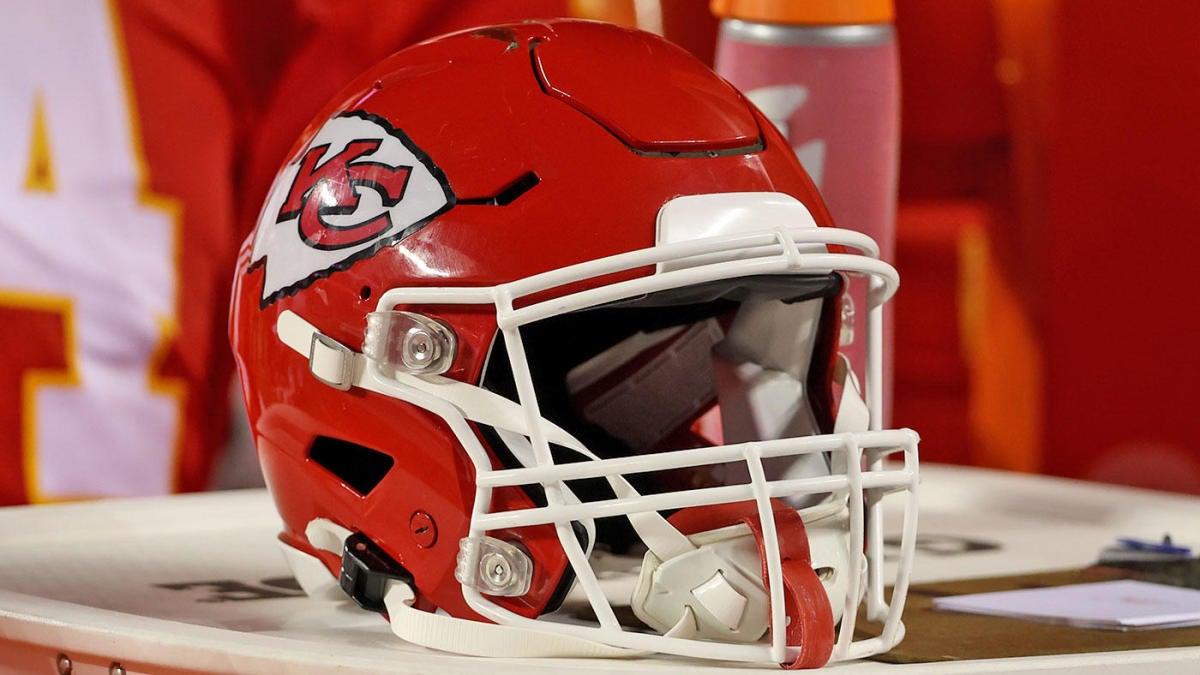
The roar of the crowd is more than noise—it’s a heartbeat, a lifeblood coursing through Kansas City’s veins. Yet, as the smell of fresh turf and championship dreams fills the air, a silent battle simmers. Kansas, just across the border, dangles promises that could pull the beloved Chiefs from their Missouri home. But the city’s mayor, with quiet confidence, insists that the heart of this team beats firmly in Missouri.
Why does a simple line on a map suddenly matter so much? Because sports franchises are never just about sports. They are cultural icons, economic engines, and symbols of identity. To lose the Chiefs would be to lose a piece of Kansas City’s soul—but what if that soul is more fragile than it seems?
Lines Drawn in Turf and Time
Kansas’ offer is tempting—new stadiums, fresh incentives, and a chance at reinvention. Yet, the mayor’s optimism is not born of naiveté. “The Chiefs belong here,” he stated with a resolve that feels almost defiant. But are such declarations enough to hold back a tide fueled by dollars and ambition? When money and loyalty clash, which will ultimately claim victory?
The Invisible Game Behind the Game
Fans see touchdowns and tackles, but there’s a subtler play unfolding: one of politics, power, and promises whispered in boardrooms. The question remains—does the team’s allegiance lie in tradition and community, or in the cold calculus of opportunity? As the Chiefs’ future is debated behind closed doors, the public waits, wondering if their champions will stay or slip quietly away.
The Chiefs’ story is no longer just about football; it is about belonging, about what a city is willing to fight for when the stakes rise beyond the field. And as this drama unfolds, one question lingers: can a team ever truly belong to one place, or is it destined to chase the highest offer, wherever that may lead?






Barcelona’s Fragile Pursuit: When Injuries Threaten More Than Just a Season
A silence spreads over Camp Nou that no roar can drown out—two...
 Chris Marks2 Mins read

William Saliba: Arsenal’s Silent Architect or Its Greatest Gamble?
The air inside the Emirates shifts with unspoken tension—William Saliba, once a...
 Joseph Bennett2 Mins read

Joel Embiid’s Quiet Confidence: Is the 76ers’ Giant Ready to Rewrite His Story?
Joel Embiid is rarely one to make noise without purpose, and now,...
 Kirsten Collins1 Mins read
Juventus, Atalanta, and Arsenal’s Quiet Revolution: What’s Really Shaping This Week in Football?
The roar of Serie A stadiums masks a subtle shift, one that...
Kirsten Collins2 Mins read





Leave a comment