

Ye Banned: Australia’s Rejection of Bigotry, Not Just a Visa
Australia just revoked Kanye West’s visa following his antisemitic “Heil Hitler” release—prompting a reckoning far beyond borders. Has one man’s rhetoric become too poisonous to travel?
 Krista FreelandJuly 2, 20251 Mins read11
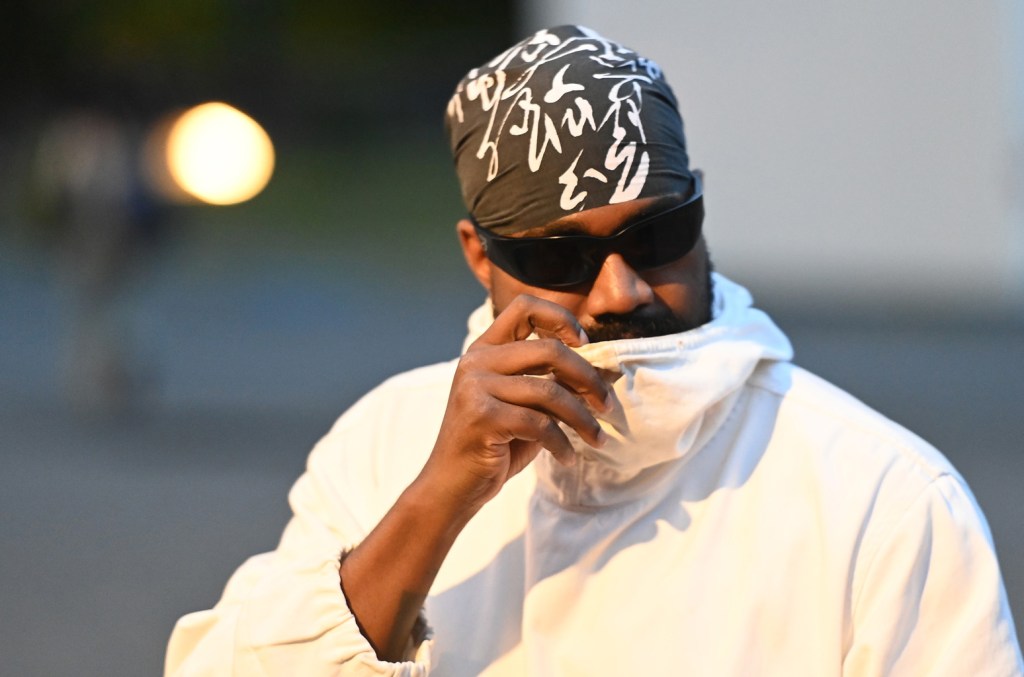
A name once synonymous with creativity—now taboo in a distant land. Australia canceled Kanye West’s visa within days of his “Heil Hitler” song’s release, not for money or concert rage—but for ideology. When a country clamps down on rhetoric this extreme, what are we really witnessing?
Australia’s home affairs minister, Tony Burke, stated plainly: “We have enough problems without deliberately importing bigotry.” That isn’t a travel issue—it’s a moral threshold. Whether Ye sought Australian soil for love or art, officials drew the line: promote Nazism, and you’re persona non grata.
When Art Meets Atrocity
Ye’s lyric wasn’t hidden in dark corners—it dropped on Victory in Europe Day’s 80th anniversary. He pulled Hitler into his beat, and with it, dark symbolism long banned from streaming services and public platforms. This wasn’t shock-rap—it was echoing hate speech so powerful nations are forced to bind it.
In a world competing for “creative freedom,” Australia’s ban feels less cultural censorship, more cultural self-defense. It’s a statement: some narratives are too toxic to export. But can banning a public figure’s movement police the culture at large?
Borders as Moral Barriers
Australia’s Migration Act enables rejection of individuals deemed a threat to social cohesion. It’s not an isolated case—previously, speakers spreading Islamophobia or Holocaust denial faced similar refusals. Ye’s partner, Bianca Censori, may have Australian roots, but ideology won’t allow exception. This is more than a visa story; it’s a reflection on the limits of celebrity impunity.
As public shock ripples from Slovakia to social media, we ask: If Australia bars Ye, what does that say about other societies still welcoming him? And inside our borders, who decides which voices we amplify—and which we silence?
We came for headlines; we stay for the unease. Ye’s ban echoes larger puzzles: How will art be governed when its power becomes perilous? What happens next—does a song that glorifies hate become unstitchable from his legacy, or a dangerous precedent for censorship? The welcome mat is folded—and we must decide whether silence is a safeguard… or a soft surrender.






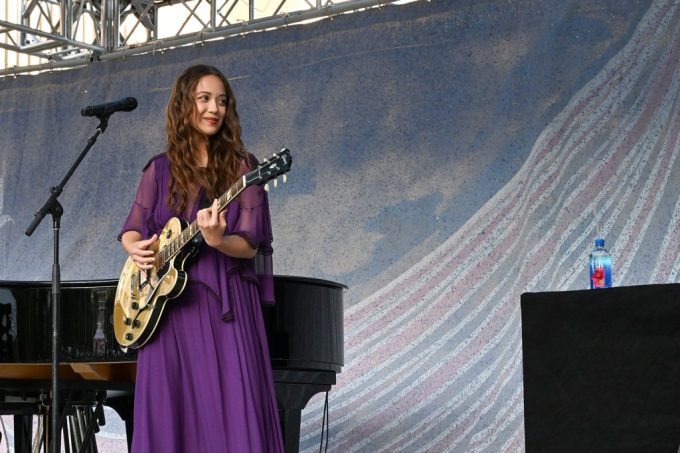
Laufey’s Opening Night Show at LA’s Crypto.com Arena: Best Moments
Laufey opened a two-night stand at Crypto.com Arena in downtown Los Angeles...
 Chris Marks6 Mins read
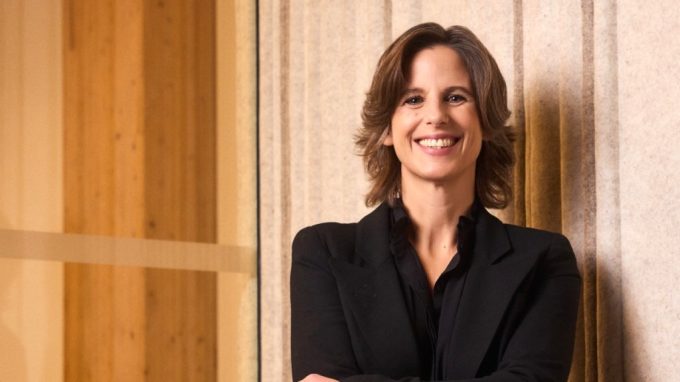
Julie Adam Is Billboard Canada Women in Music’s 2025 Exec of the Year
Julie Adam is having a milestone year — and it’s getting even...
Chris Marks4 Mins read
Spinal Tap Tribute Album with Foo Fighters,Tool for Teen Cancer America
Spinal Tap may be a fake band, but its music is very...
Chris Marks2 Mins read
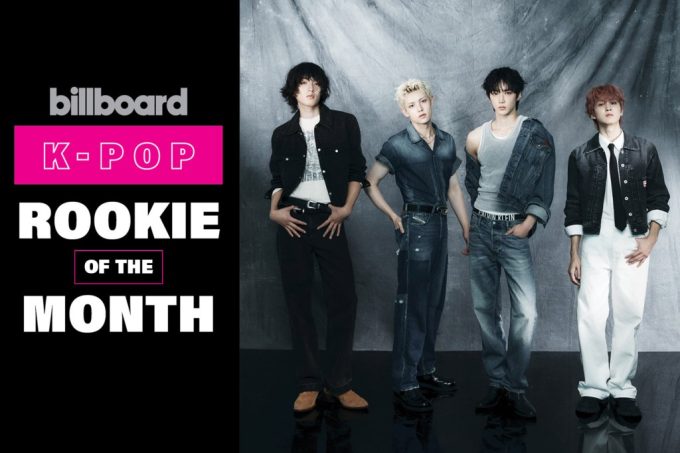
AxMxP Is K-Pop Rookie of the Month for September: Exclusive Photos
Ha Yoo Joon Image Credit: Chin Soyeon You debuted on Sept. 10....
Chris Marks2 Mins read





Leave a comment