

When Confession Becomes Catalyst: Lily Allen’s Abortion Revelations
Lily Allen stunned listeners by admitting she’s had “around four or five” abortions—framing it not as tragedy, but as messy life. Her honesty cuts deeper than shock: it challenges shame and redefines freedom.
 Chris MarksJuly 3, 20252 Mins read14
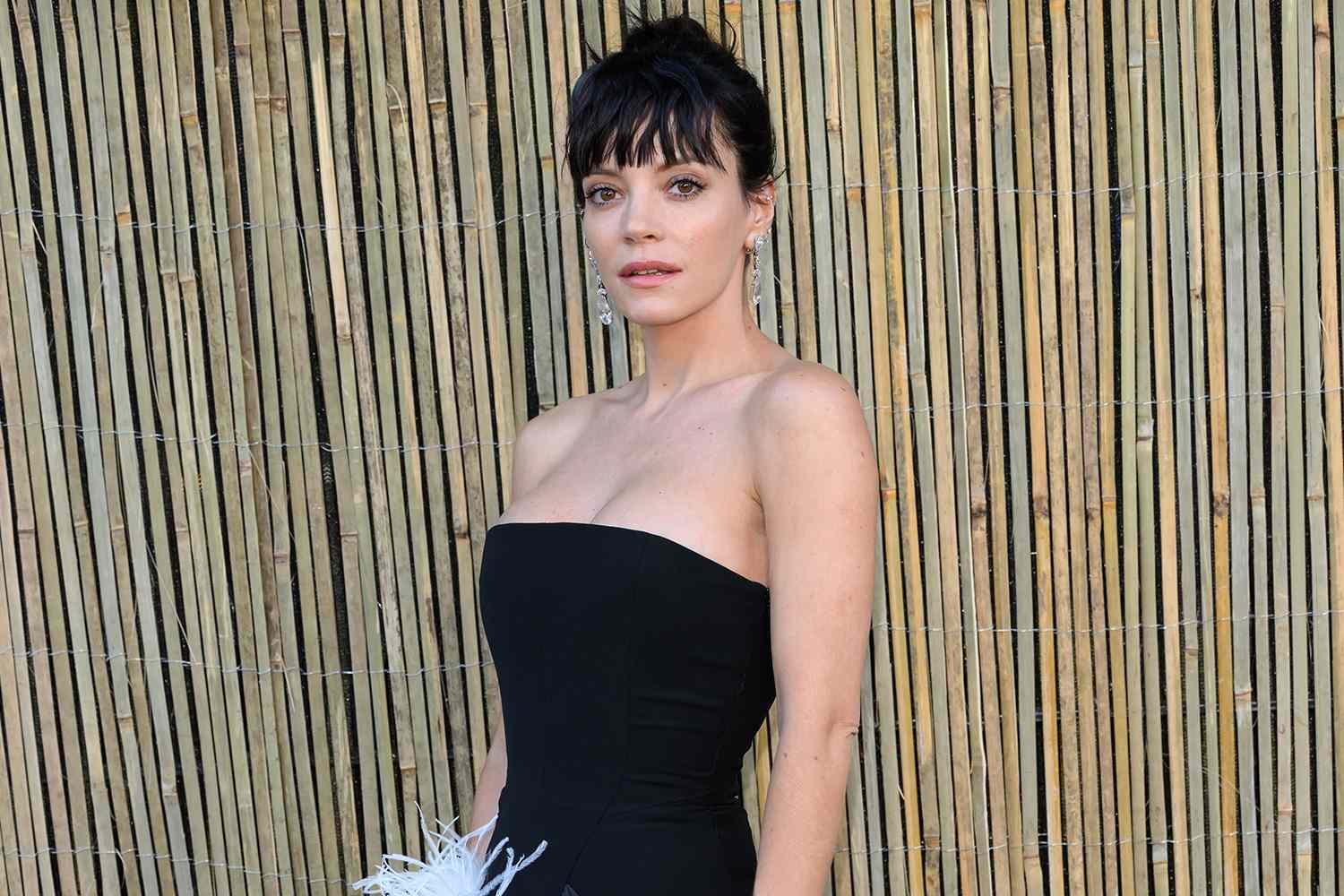
Karwai Tang/WireImage
Lily Allen leaned into the mic like a confessor stepping into a spotlight—her voice steady, her gaze urgent—as she admitted she “can’t remember exactly how many” abortions she’s had, estimating it to be four or five. There’s an intimacy in that admission, a hush before the reveal, and in that pause lies the gravity of lived truth: not tragedy, but life with jagged edges and no tidy bow.
It’s one thing to champion choice; it’s another to lay bare the messy, repeatable reality behind it. In that vulnerability, Allen disrupts our assumptions. She asks us to face what’s often unspoken: the right to say “I didn’t want this baby”—simple, unapologetic, human.
––– ‘Between Freedom and Fragmentation’ ––––
Her early reproductive years, Allen says, were a “complete disaster area”—pregnancy after pregnancy until an IUD brought relief. The juxtaposition of bodily chaos and methodical control mirrors a larger tension: the freedom to decide colliding with the fragmentation of self. She and cohost Miquita Oliver—who shared “about five” abortions herself—didn’t treat it as shameful. Instead, they laugh, reflect, wrestle with the aftermath.
Allen recalled a past abortion funded by a partner she once thought romantic. “I thought it was romantic… until he didn’t even text me after,” she said. That sudden silence echoes louder than any scandal—it becomes a lesson in care, in how romanticism can distort agency into neglect.
––– ‘Shattering the Silence, Shaping the Narrative’ ––––
Allen’s declaration is seismic in a culture that demands narrative gold from suffering. She rejects the manufacture of tragedy—“You don’t need extraordinary reasons,” she said. “Literally: ‘Don’t want a f**king baby right now’ is enough.” That blunt truth fractures the performative expectations placed on women about grief, empathy, and justification.
The effect is revolutionary: she is not seeking sympathy, but space. She demands that silence be shattered—not with guilt, but with honesty. She reshapes the narrative: abortion isn’t a last resort—it’s part of a chaotic, flawed, female existence.
This confession ripples beyond podcast airwaves. It asks us: why must women carry shame for decisions rooted in their own lives? When public vulnerability becomes the currency of empowerment, what debts are left unpaid?
In the end, Lily Allen’s truth isn’t just personal—it’s a challenge. It asks us to rethink narrative, judgment, and the right to limit the stories we’re expected to tell. And perhaps, in that pause after her words, we find the beginning of real reckoning.





When Mercy Meets Tragedy: The Widow Who Forgave Her Husband’s Killer
The air thickens when forgiveness enters a room meant for grief. Imagine...
Chris Marks1 Mins read

When Fear Became a Lifeline: Pete Davidson’s Reckoning in Rehab
There’s a silence that follows a mother’s voice when she confesses her...
 Joseph Bennett1 Mins read
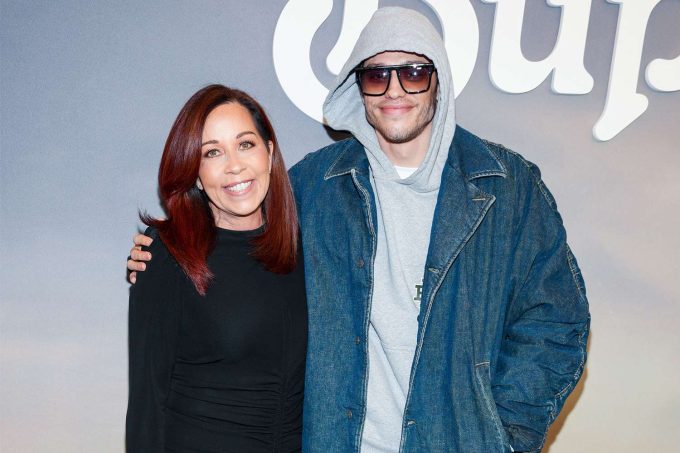
Pete Davidson’s mom told him in rehab worst fear was learning he died
Pete Davidson is opening up about the heartbreaking moment he had with...
Chris Marks2 Mins read

Katie Couric’s Unexpected Spin on Sydney Sweeney’s American Eagle Ad: What’s Really Being Said?
Katie Couric stepping into a scene dominated by Gen Z glamour feels...
 Krista Freeland2 Mins read




Leave a comment