

Does SZA Owe Beyoncé Money? The Surprising Debt Behind “SOS”
SZA’s chart-topping album SOS is filled with passion, pain, and now, a fascinating debt to Beyoncé. But what’s the real story behind the interpolation that has left fans wondering: is it inspiration, or a bill waiting to be paid?
 Krista FreelandMay 7, 20253 Mins read25
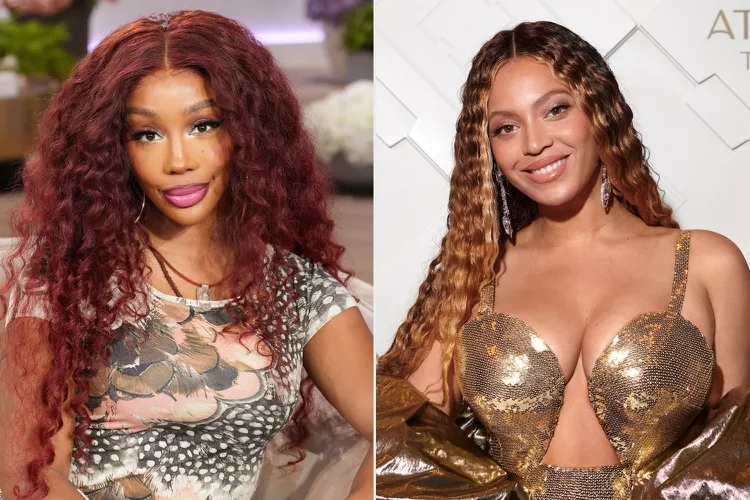
In the world of music, few things are as elusive and alluring as the art of interpolation—borrowing a piece of another artist’s song to create something fresh yet familiar. But what happens when the borrowed melody comes with a price? For SZA, the answer is clear: money. That’s right, the singer behind SOS may owe more than just gratitude to Beyoncé, as an interpolation on her smash hit album has sparked conversations about both artistic debt and creative freedom.
When SOS was released, it felt like a moment of transcendence for SZA. The album effortlessly blended vulnerability and strength, weaving stories of heartbreak, empowerment, and love into a tapestry of unforgettable melodies. Yet, tucked between the seductive beats and emotionally charged lyrics was a nod to an iconic song from Beyoncé’s Dangerously in Love era—a riff that sent listeners straight to the past.
The Silent Debt of Art
SZA hasn’t been shy about her admiration for Beyoncé. She’s spoken of the “Beyoncé effect” in interviews, crediting the pop icon as a significant influence on her music. But the connection between SOS and Beyoncé’s Dangerously in Love doesn’t just stop at admiration—it’s much more tangible. The interpolation of a track from Dangerously in Love has raised eyebrows, particularly because it comes with a significant legal obligation. SZA, like many artists before her, has tapped into a melody that demands both recognition and financial remuneration.
But why does this matter? The line between inspiration and theft in the music industry is a razor-thin one. Every chord progression, every lyrical turn, is potentially ripe for either innovation or appropriation. When artists like SZA layer homage onto their work, it’s a gray area that continues to fuel debates in the creative community. Should artists simply be grateful for the chance to pay tribute to their idols, or is there a deeper obligation to compensate those whose work they’ve used?
A Price of Recognition
While SZA’s use of Beyoncé’s melody may seem like a respectful gesture in the spirit of homage, it opens up a broader discussion on the commercialization of inspiration. In today’s music industry, a simple note can cost you, whether it’s the sample of a riff or the echo of a vocal line. The question that lingers in the air now is: what’s the price of homage in the digital age? Does Beyoncé, who’s no stranger to creative battles herself, have a right to claim not just recognition, but financial compensation for the piece of her legacy that SZA borrowed?
Beyoncé’s influence is undeniable, but what happens when an artist like SZA, who is carving out her own path, walks that fine line between homage and financial obligation? In interviews, SZA has alluded to the challenges of navigating the sometimes murky waters of borrowing in music. But she also seems aware of the weight of her artistic choices. “You don’t get to create without acknowledging what came before you,” she said in a recent conversation. And so, the cycle of inspiration continues—where creativity and compensation intertwine in ways both expected and unpredictable.
What’s at Stake for Music’s Future?
This debt, though perhaps only financial, represents a larger, more complex dynamic within the music industry—one where every song might not only be a personal expression but also a quiet negotiation. SZA’s journey with SOS is now interwoven with the reality of artistic ownership and the economics of creativity. With the rise of streaming platforms and an ever-expanding audience, music has become both a commodity and a canvas. The layers of influence and ownership are only growing more intricate, and as much as we celebrate creative expression, we must also acknowledge its cost.
Is this just the beginning of a more transparent future where all debts—artistic or otherwise—are laid bare for public consumption? Will the artists who inspired today’s hits claim their dues, or will the blurred lines of inspiration and imitation continue to fuel the industry’s complex web of admiration and compensation?
The question remains: who truly owns music—the creator or the culture that surrounds it? And in this case, does Beyoncé’s legacy belong only to her, or does it also belong to the countless artists like SZA who depend on it to fuel their own journeys?







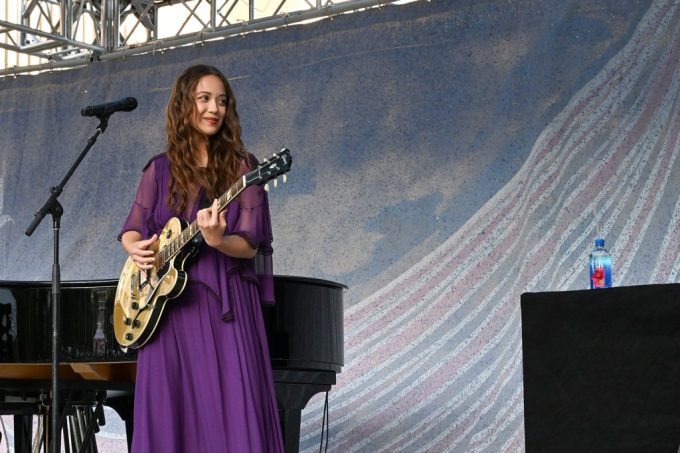
Laufey’s Opening Night Show at LA’s Crypto.com Arena: Best Moments
Laufey opened a two-night stand at Crypto.com Arena in downtown Los Angeles...
 Chris Marks6 Mins read

Julie Adam Is Billboard Canada Women in Music’s 2025 Exec of the Year
Julie Adam is having a milestone year — and it’s getting even...
Chris Marks4 Mins read
Spinal Tap Tribute Album with Foo Fighters,Tool for Teen Cancer America
Spinal Tap may be a fake band, but its music is very...
Chris Marks2 Mins read
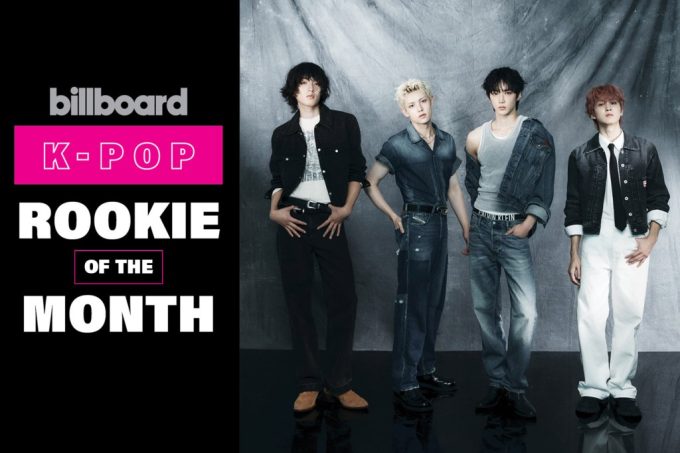
AxMxP Is K-Pop Rookie of the Month for September: Exclusive Photos
Ha Yoo Joon Image Credit: Chin Soyeon You debuted on Sept. 10....
Chris Marks2 Mins read





Leave a comment