

Kendra Wilkinson’s Breakup with Dating: Why She Says “Men Are Off the Table” — For Now
Kendra Wilkinson isn’t simply single—she’s opted out of romance entirely, choosing real estate and self-reinvention over dating drama. But what deeper revelations lie behind this decision?
 Kirsten CollinsJuly 10, 20252 Mins read18
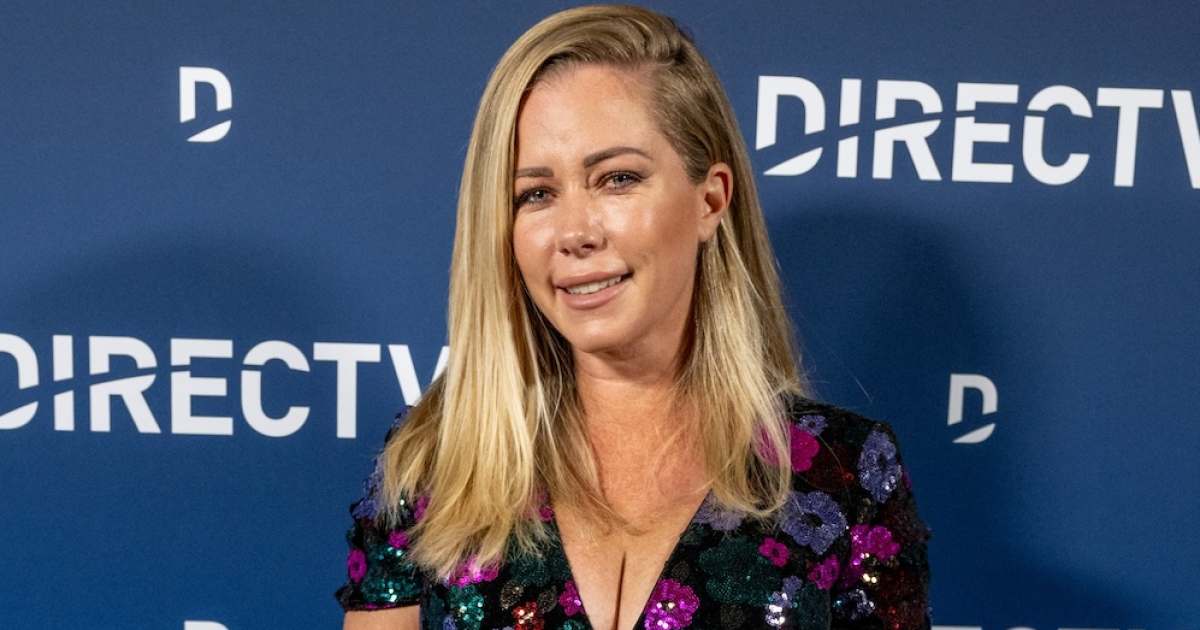
She shared a series of black-and-white selfies on Instagram, not to flirt, but to declare: “I don’t have interest in men at the moment. Just work.” At 40, Kendra Wilkinson isn’t rejecting love—she’s redefining it on her own terms. This refusal isn’t a retreat—it’s a reclamation.
The arc of her life—from Playboy ingénue to reality star, mother, divorcée, and now real‑estate agent—is a narrative of transformation. But now, dating sits on the stand: accused, examined, and ultimately dismissed. The men still slide into her DMs, she jokes, but she’s not auditioning any illusions. She quips about being on the Raya app waitlist for four years, chalking it up to karma. And beneath the humor lies a calculated distance: “Dating is still very nonexistent. It’s really not in my head right now,” she confides.
When Silence Becomes Statement
Her Instagram message was simple, but its weight is volumetric. She’s not just busy—she’s intentional. “I might dabble into some sex every now and then,” she shares, but “to date and be in a relationship? That’s the longest far‑fetched thing I could possibly feel at the moment.” She’s channeling her energy into property listings and motherhood, turning her existence into architecture, not adoration.
This isn’t anti-romance—it’s agency. After identifying “unhealthy thoughts” about sex in therapy and enduring hospitalizations to reprogram her mindset, she’s charting a map to self‑sovereignty. She’s not disavowing intimacy—she’s choosing when, where, and how it occurs.
Motherhood and Ambition as Anchor
Her pivot into real estate isn’t filler—it’s foundational. She built a business from scratch while co-parenting two kids and battling public stereotype. Her freedom lies in showings and closings, not candlelit dinners. “My kids are proud of me when I close deals… they won’t be proud of me if I bring in some strange dude,” she reflects. It’s a choice that thrusts her identity into new terrain—one where validation comes from boards not boyfriends.
This decision pushes us to question: when a woman opts out of romance, what does society expect? Do we see restraint or absence? Does her solo act become a void, or does it reveal new dimensions of strength?
In refusing the dating trope, Kendra isn’t fading out—she’s focusing in. She’s forging a narrative about healing, hustle, and motherhood unmediated by male presence. And in that choice, she invites us to wonder: is dating the prize, or is mastery of oneself the greater reward?
She might still love her ex—“he was the happiest days of my life,” she admits—but love is no longer the headline. The main narrative is about rebuilding, redefinition, and reclamation. And in her silence, the loudest truth surfaces: maybe the greatest romance is the one between a woman and her autonomy.




When Mercy Meets Tragedy: The Widow Who Forgave Her Husband’s Killer
The air thickens when forgiveness enters a room meant for grief. Imagine...
 Chris Marks1 Mins read
When Fear Became a Lifeline: Pete Davidson’s Reckoning in Rehab
There’s a silence that follows a mother’s voice when she confesses her...
 Joseph Bennett1 Mins read
Pete Davidson’s mom told him in rehab worst fear was learning he died
Pete Davidson is opening up about the heartbreaking moment he had with...
Chris Marks2 Mins read

Katie Couric’s Unexpected Spin on Sydney Sweeney’s American Eagle Ad: What’s Really Being Said?
Katie Couric stepping into a scene dominated by Gen Z glamour feels...
 Krista Freeland2 Mins read





Leave a comment