

Kesha’s TikTok Trap: The Perpetual Party Girl No One Asked For
Kesha reveals how TikTok’s relentless spotlight has boxed her into the “party girl” stereotype—yet beneath the glitter and chaos lies a narrative the world still refuses to hear. What happens when an artist’s true self is lost in viral echo chambers?
 Chris MarksJuly 8, 20252 Mins read14
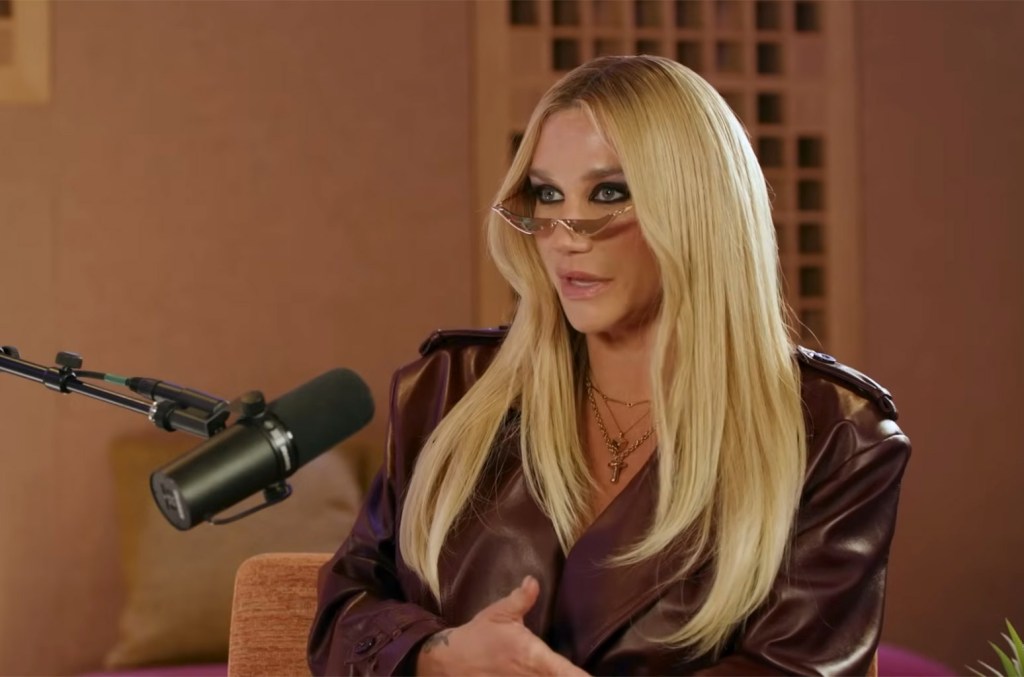
A flash of neon lights, a viral dance, and suddenly Kesha is the girl forever caught in a loop—celebrated not for reinvention, but reduced to the same electric caricature. “TikTok put me in a box as the perpetual party girl,” she admits, peeling back a layer of the digital fame machine few dare to acknowledge. But how does one break free when the very platform fueling your stardom becomes the cage imprisoning your evolution?
This is the paradox of modern celebrity—how the new stage, designed to amplify, can just as easily suffocate. The question lingers: is the world ready to see Kesha beyond the sparkling chaos, or are we destined to consume only the curated fragment of her identity?
The Glitter That Blinds
Kesha’s rise to fame was incandescent, a wild burst of youthful rebellion and unabashed fun. But beneath the glittering exterior lies complexity often overlooked. TikTok’s bite-sized culture demands repetition and predictability. When she says, “I’m more than a party girl,” it’s a quiet rebellion against the algorithm’s hunger for familiar tropes. Yet, with every viral clip reinforcing the stereotype, the deeper layers of her artistry risk fading into obscurity.
It’s a dilemma faced by many artists today: how do you tell a story that refuses to fit the mold when the mold is what sells? In a world chasing trends and soundbites, the full narrative can become collateral damage.
Unmasking the Viral Veil
The real challenge isn’t TikTok’s spotlight—it’s the audience’s refusal to look beyond it. Kesha’s candor, “I want to be seen for who I really am,” echoes a broader cry from creatives trapped by their own public personas. The party girl image sells tickets and streams, but what does it cost the artist’s soul? This tension between authenticity and commodification has become the defining drama of the digital age.
Is Kesha’s struggle unique? Or does it mirror a cultural impatience that consumes icons but dismisses evolution? As the viral cycle spins relentlessly, one wonders who is truly controlling the narrative—the artist or the audience hungry for spectacle.
Kesha’s story is more than a cautionary tale about TikTok’s pigeonholing—it’s a subtle invitation to question how we consume celebrity culture. When the party lights dim, who will be left to tell the real story? And perhaps the most unsettling thought: are we ready to listen?



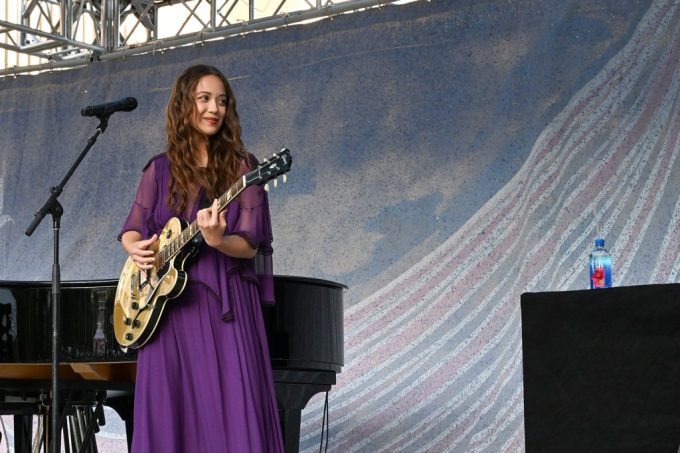
Laufey’s Opening Night Show at LA’s Crypto.com Arena: Best Moments
Laufey opened a two-night stand at Crypto.com Arena in downtown Los Angeles...
Chris Marks6 Mins read
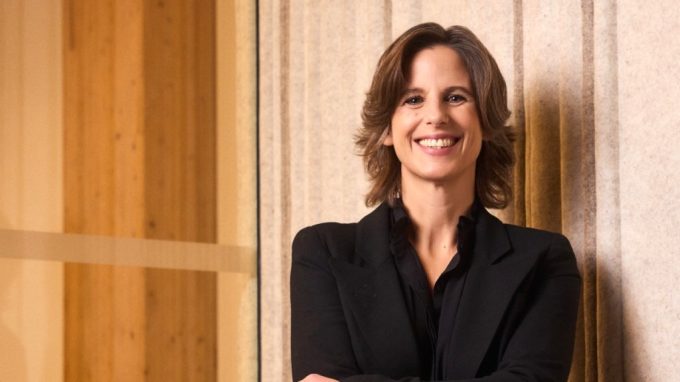
Julie Adam Is Billboard Canada Women in Music’s 2025 Exec of the Year
Julie Adam is having a milestone year — and it’s getting even...
Chris Marks4 Mins read
Spinal Tap Tribute Album with Foo Fighters,Tool for Teen Cancer America
Spinal Tap may be a fake band, but its music is very...
Chris Marks2 Mins read
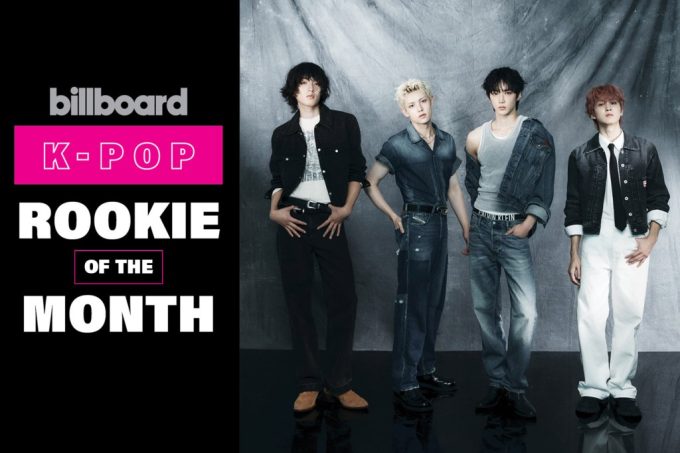
AxMxP Is K-Pop Rookie of the Month for September: Exclusive Photos
Ha Yoo Joon Image Credit: Chin Soyeon You debuted on Sept. 10....
Chris Marks2 Mins read




Leave a comment