

The Final Note: Farewell to Viv Savage’s Real-Life Maestro
David Kaffinetti, known to fans as Viv Savage, the keyboard force behind This Is Spinal Tap, has died at 79—unveiling a life that threaded progressive rock, mockumentary legend, and genuine warmth. What stories remain hidden in those melodic keys?
 Kirsten CollinsJuly 15, 20252 Mins read13
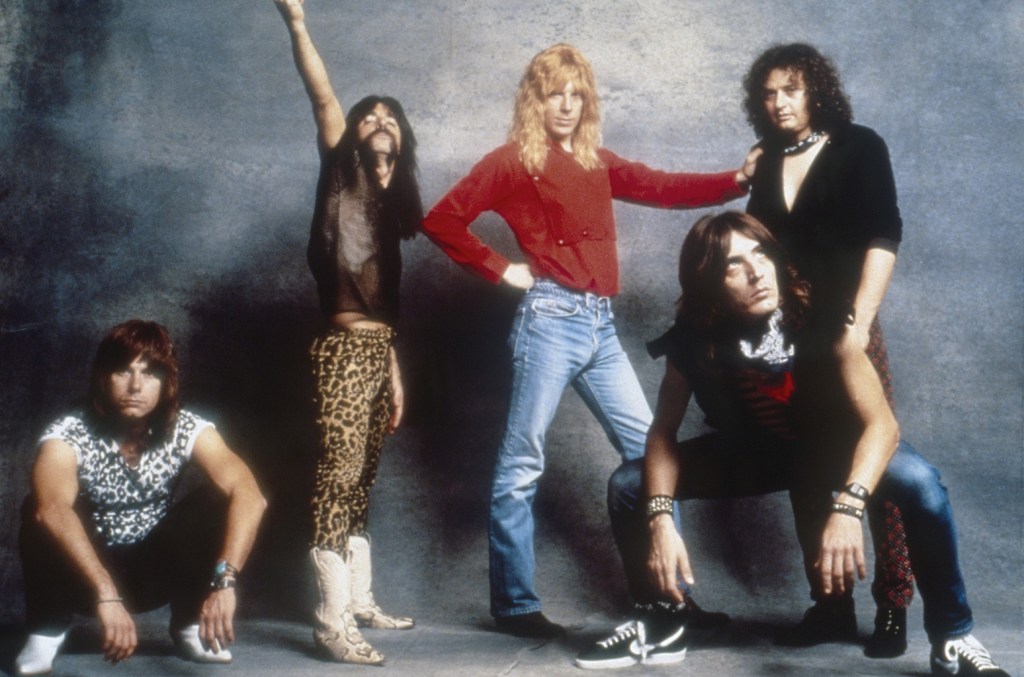
The final chord faded—and so, quietly, did David Kaff’s life, in a peaceful sleep that felt strangely fitting for a man whose musical journey was itself a blend of understatement and eccentricity. He wasn’t just Viv Savage—keyboardist for the world’s loudest mock rock band—he was the gentle pivot between satire and sincerity, a bridge between prog-rock’s earnest complexity and Hollywood’s comedic excess.
What waits behind the iconic line, “Have a good time… all the time”? Perhaps it’s a clue to a life defined not by gimmick, but by grace. Kaffinetti’s passing turns that humorous farewell into an elegy, urging us to listen more closely to the man behind the notes.
The Quiet Prog Pioneer
Before the cult film and the celebrity came a different stage: London’s underground, where Rare Bird’s 1970 hit “Sympathy”—led by Kaffinetti’s organ—sold over a million copies in Europe. He was a prodigy turned rocker, traversing the cultural shifts of the ‘60s and ‘70s with both curiosity and calm—never flashy, always intentional.
“Kaffinetti brought a depth to Hallucinogenic rock without drowning in self-importance,” remembered a former bandmate. It’s easy to imagine those swirling organ lines carrying more than melody—they carried his soul.
A Cult Icon’s Gentle Hum
Then came This Is Spinal Tap, the film that skewered rock’s absurdities—and in his understated depiction of Viv Savage, Kaff found another niche, delivering one of the film’s most enduring philosophies. He later confessed, “I played him very close to my heart, just a little bit dimmer.” That modesty spoke louder than any amplifier.
He rarely sought attention, yet ironically became an icon. Whether performing with Spinal Tap on Saturday Night Live or turning his talents toward west coast bands, his presence remained genuine—unassuming, warm, alive. Colleagues recall him as “quick-witted and kind,” a creative spirit who never let satire dull his humanity.
As the world prepares for Spinal Tap II this September—without him—the void feels deeper than mere absence. What did David Kaffinetti envision when he said “have a good time”? Was it a humorous tagline, or a life mantra lived in soft chords and quiet truths?
In the end, his legacy might just be the hushed spaces between the notes, where laughter and reflection meet—and where the real music lives, whispering on long after the lights dim.







Laufey’s Opening Night Show at LA’s Crypto.com Arena: Best Moments
Laufey opened a two-night stand at Crypto.com Arena in downtown Los Angeles...
 Chris Marks6 Mins read
Julie Adam Is Billboard Canada Women in Music’s 2025 Exec of the Year
Julie Adam is having a milestone year — and it’s getting even...
Chris Marks4 Mins read
Spinal Tap Tribute Album with Foo Fighters,Tool for Teen Cancer America
Spinal Tap may be a fake band, but its music is very...
Chris Marks2 Mins read

AxMxP Is K-Pop Rookie of the Month for September: Exclusive Photos
Ha Yoo Joon Image Credit: Chin Soyeon You debuted on Sept. 10....
Chris Marks2 Mins read




Leave a comment