

Kneecap’s Silent Rebellion: What Does a Festival Ban Really Silence?
After being banned from Hungary’s Sziget Festival, Irish rap group Kneecap breaks their silence with a video message—challenging not just a festival’s decision but the limits of artistic expression in a shifting political landscape.
 Joseph BennettAugust 13, 20251 Mins read12
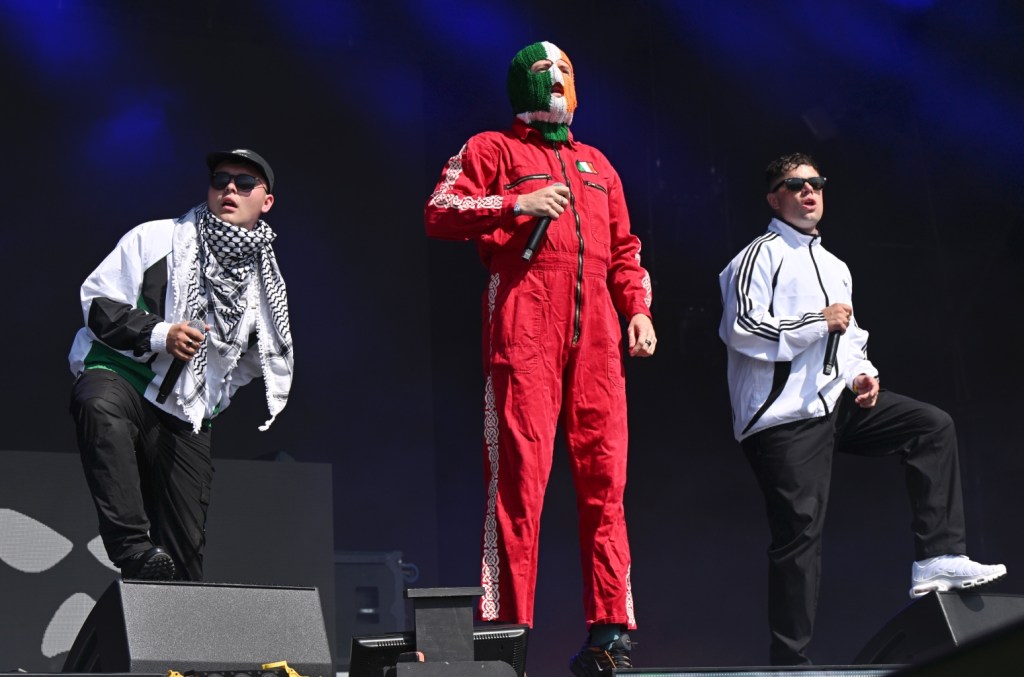
The silence that follows a ban is louder than any crowd. When Kneecap, the incendiary Irish rap collective known for their unapologetic political fire, was barred from Hungary’s prestigious Sziget Festival, it was less a cancellation than a calculated erasure. Their subsequent video message isn’t just a rebuttal—it’s a crack in the façade of cultural diplomacy that events like Sziget try to maintain.
What do we lose when a voice is silenced? And what does it mean when the reasons for that silence are wrapped in vague, unspoken discomfort? In an era when art and politics dance dangerously close, Kneecap’s exclusion demands a reckoning beyond the usual headlines.
The Politics Behind the Curtain
A festival is more than a stage—it’s a battleground for values, a public arena where the political undertones of art are tested. Kneecap’s lyrical provocations have long unsettled the status quo, not only in their native Ireland but across Europe. The ban from Sziget feels less like an isolated incident and more like a symptom of Hungary’s tightening grip on cultural expression.
One member of the group declared in their video, “If silence is the only option, we will make it speak.” This defiant message exposes the paradox: the attempt to mute dissent often amplifies it. The festival’s decision, cloaked in diplomatic neutrality, raises urgent questions about where the line between artistic freedom and political censorship now lies.
When Exclusion Becomes a Statement
Kneecap’s response transforms exclusion into visibility. Their video message, raw and unfiltered, is a challenge to audiences and institutions alike. Who decides which voices are acceptable? And what happens to the cultural landscape when the answer becomes an act of erasure?
In the shadow of the ban, Kneecap’s narrative compels us to consider the fragility of artistic spaces that claim neutrality but are shaped by power dynamics. The silence imposed on them is not just about one group—it’s about the very nature of freedom in public discourse.
Kneecap’s story leaves us with an uneasy question: in a world eager to celebrate diversity, what does it mean when diversity becomes too disruptive to endure? Their banned presence echoes louder than any concert, inviting us to listen not just to music, but to the silences it reveals.
Is censorship the ultimate encore?


Laufey’s Opening Night Show at LA’s Crypto.com Arena: Best Moments
Laufey opened a two-night stand at Crypto.com Arena in downtown Los Angeles...
 Chris Marks6 Mins read
Julie Adam Is Billboard Canada Women in Music’s 2025 Exec of the Year
Julie Adam is having a milestone year — and it’s getting even...
Chris Marks4 Mins read
Spinal Tap Tribute Album with Foo Fighters,Tool for Teen Cancer America
Spinal Tap may be a fake band, but its music is very...
Chris Marks2 Mins read
AxMxP Is K-Pop Rookie of the Month for September: Exclusive Photos
Ha Yoo Joon Image Credit: Chin Soyeon You debuted on Sept. 10....
Chris Marks2 Mins read




Leave a comment