

The Leap That Shattered a Dream: Kodai Senga’s Silent Collapse
In a single, graceful bound, Mets ace Kodai Senga's pursuit of perfection was halted. A leaping play at first base, meant to showcase agility, instead revealed the fragility of athletic ambition.
 Chris MarksJune 12, 20251 Mins read158
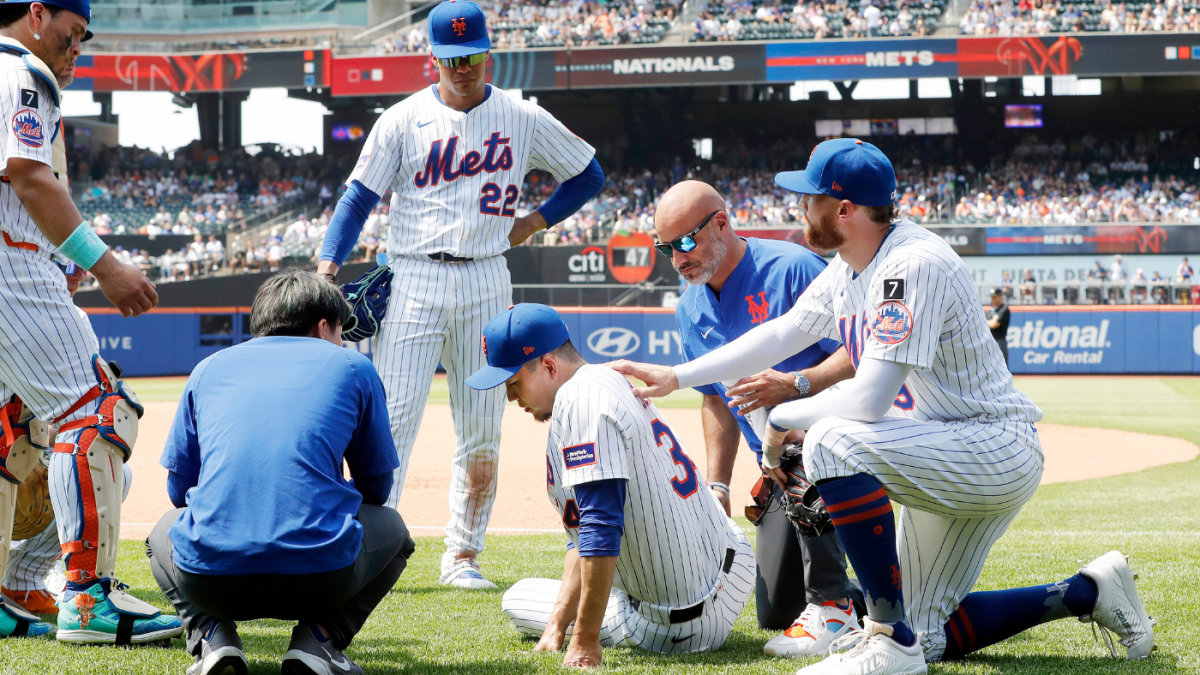
In the sixth inning, with one out and the game delicately poised, Kodai Senga—a pitcher whose very presence on the mound exuded dominance—raced toward first base. The ball was hit, the throw was high, and in that fleeting moment, Senga leaped. It was a play that embodied the essence of athleticism: swift, decisive, and seemingly flawless. Yet, as his right foot landed on the base, the narrative shifted. What was meant to be a testament to his prowess became a silent collapse.
The crowd’s murmur shifted to a collective gasp as Senga crumpled to the ground, clutching his right hamstring. The Mets’ ace, who had been delivering a masterclass performance—5⅔ innings of shutout baseball, a mere one hit allowed, and a league-leading ERA of 1.47—was now sidelined. The game continued, but the weight of his absence loomed large.
The Unseen Cost of Perfection
In the aftermath, the Mets announced that Senga would be placed on the injured list and scheduled for an MRI. The immediate concern was the severity of the hamstring strain. But beneath the surface, questions arose: Was this injury a mere accident, or a culmination of the relentless demands placed on elite athletes? Senga’s leap, while seemingly routine, might have been the tipping point in a body already under immense strain.
The Weight of Expectations
For Senga, this injury is more than just a physical setback. It’s a poignant reminder of the fragility inherent in professional sports. The expectations placed on athletes are immense, and the margin for error is razor-thin. One misstep, one awkward landing, and a season—perhaps a career—can be altered irreparably.
Looking Ahead
As the Mets prepare for their upcoming series against the Tampa Bay Rays, the absence of their ace casts a shadow over their rotation. While the team has depth, the loss of Senga’s caliber is undeniable. The question now isn’t just about his recovery but about the broader implications for the team’s aspirations this season.
In the quiet of the locker room, as Senga undergoes treatment and reflection, one can’t help but wonder: In the pursuit of greatness, how often do we overlook the silent costs? And when the spotlight dims, who remains to bear the weight?





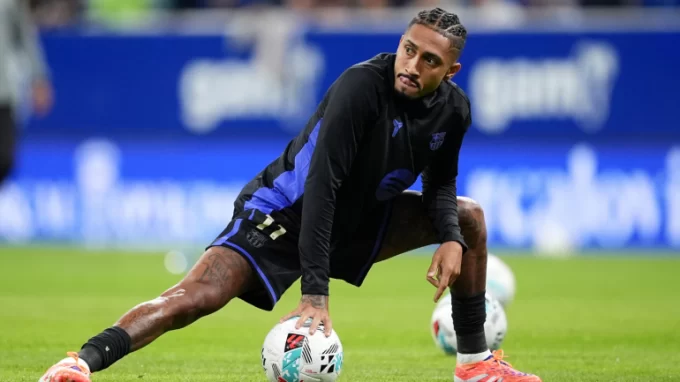
Barcelona’s Fragile Pursuit: When Injuries Threaten More Than Just a Season
A silence spreads over Camp Nou that no roar can drown out—two...
Chris Marks2 Mins read
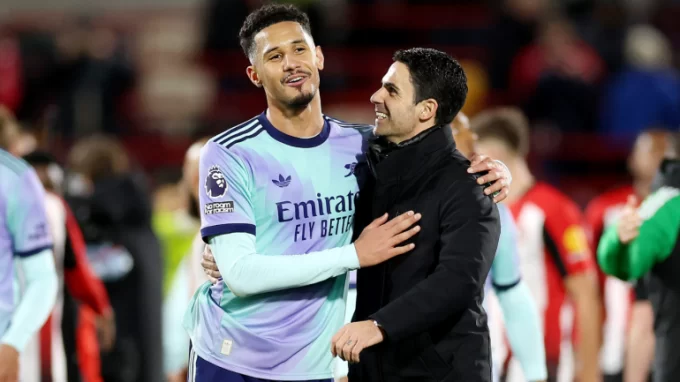
William Saliba: Arsenal’s Silent Architect or Its Greatest Gamble?
The air inside the Emirates shifts with unspoken tension—William Saliba, once a...
 Joseph Bennett2 Mins read
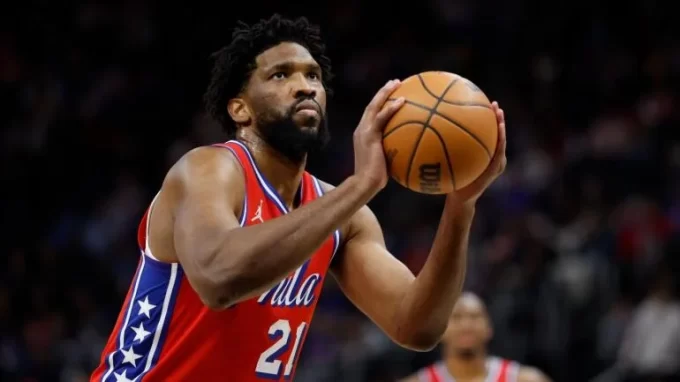
Joel Embiid’s Quiet Confidence: Is the 76ers’ Giant Ready to Rewrite His Story?
Joel Embiid is rarely one to make noise without purpose, and now,...
 Kirsten Collins1 Mins read
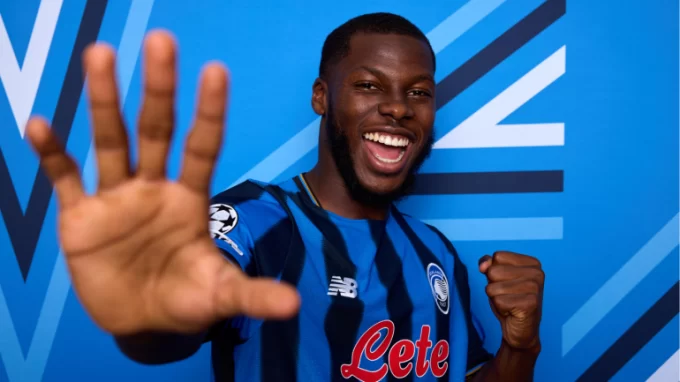
Juventus, Atalanta, and Arsenal’s Quiet Revolution: What’s Really Shaping This Week in Football?
The roar of Serie A stadiums masks a subtle shift, one that...
Kirsten Collins2 Mins read





Leave a comment