

Kurdistan’s Bold Cinematic Invitation: Can the Region Redefine Global Film?
The Kurdistan Film Commission's debut at Cannes has set the stage for a new cinematic era. But does it mark a true cultural revolution—or an ambitious gamble? The world is watching.
 Chris MarksMay 14, 20252 Mins read23
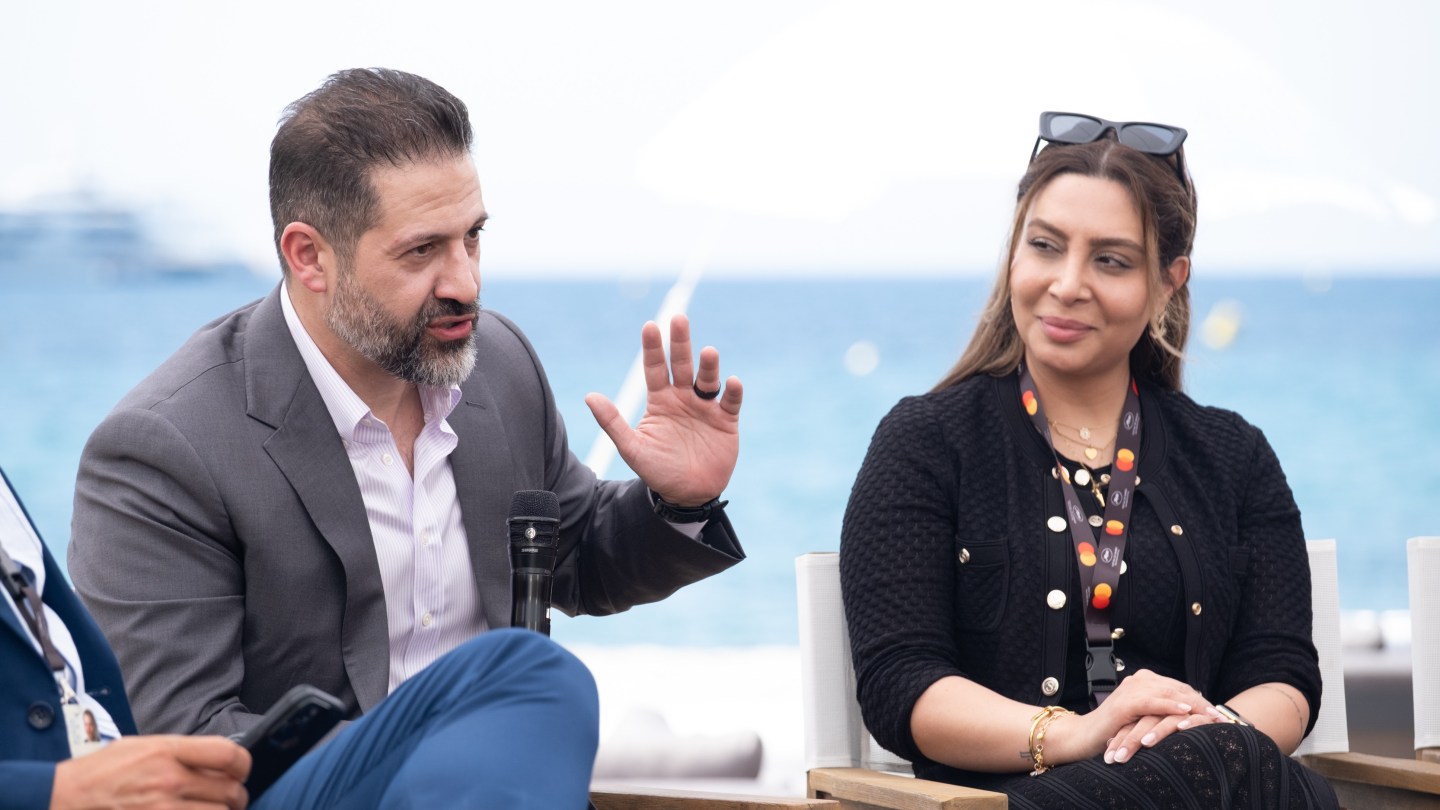
When the curtain rises at Cannes this year, the world will be introduced to a new cinematic force: Kurdistan. Yes, you read that right. The Kurdistan Film Commission, launching its first significant presence at one of the most prestigious stages in the film world, promises to change the landscape of global cinema. But is this the birth of a cultural movement, or a fleeting moment that the industry will soon forget?
A New Power at Cannes
The Cannes Film Festival has long been a platform for established filmmakers, a high-stakes arena where only the boldest ideas break through. But this year, the red carpet will be graced by a contender who hasn’t spent decades building a reputation. Kurdistan, with its rich yet tumultuous history, its sweeping landscapes, and its unique cultural heritage, is stepping into the spotlight. The region, often overshadowed by political struggles, is now signaling that its cinematic voice cannot and should not be ignored. Yet, this new voice—does it hold the weight needed to rival global powerhouses?
The move feels like more than just a political statement. There’s an undeniable sense of defiance behind it, a declaration that Kurdistan is more than its borders, its conflicts, and its tragedies. The filmmakers now emerging from the region are poised to push cinematic boundaries, weaving narratives that have long been ignored or misunderstood. But will audiences be ready for this new wave, or will it feel like an outsider too alien to be embraced?
The Underdog Narrative
It’s tempting to view the Kurdish filmmakers as underdogs, rising against overwhelming odds. After all, this is a region whose history has been shaped by war, exile, and cultural erasure. Yet, the same can be said for many of the world’s greatest creative movements: the gritty realism of Italian Neorealism, the revolutionary energy of New Hollywood, or the artistic rebellion of the French New Wave. The underdog narrative has often propelled art into the mainstream—there’s something inherently magnetic about the struggle to be seen.
Yet, Kurdistan’s cinematic entry into Cannes isn’t just about overcoming hardship—it’s about redefining what cinema can be. These films won’t be merely snapshots of a nation at war; they’ll be windows into a society, a culture, and a world that we’ve only ever seen through fractured lenses. Whether these stories resonate with global audiences will be determined not just by their artistry but by their ability to transcend borders.
Cultural Diplomacy or Artistic Integrity?
As the world eagerly watches, the question remains: is this new cinematic voice from Kurdistan a step towards cultural diplomacy or a genuine artistic breakthrough? The stakes are high. A successful showing at Cannes could reshape how the world views Kurdish culture and politics. But the filmmakers must avoid the trap of becoming mere spokespeople for a region caught in the geopolitical crossfire. Instead, they must focus on universal stories that resonate beyond their origins.
There’s an art to balancing local authenticity with global appeal—a tightrope walk that many filmmakers have struggled to navigate. Will the voices from Kurdistan be heard, not as instruments of political propaganda, but as true artistic expressions of a rich and diverse culture?
The Unanswered Question
As the lights of Cannes shine down on this new chapter, one must ask: what will the lasting legacy of Kurdistan’s cinematic presence be? Will it become a pivotal moment, one that shifts the tectonic plates of global cinema, or will it fade into the shadows, a footnote in the history of an industry that moves on quickly?
As the world tunes in, we are left wondering: Will this bold, mysterious entry into global cinema spark a revolution—or simply leave us questioning what could have been?






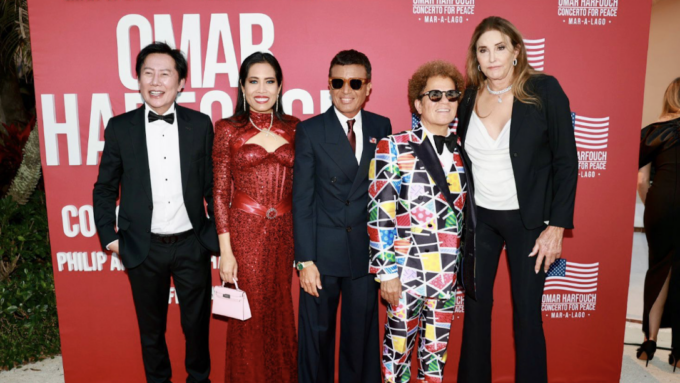
Pianist Omar Harfouch Brings Celebrated Figures Together for a Night of Cultural Exchange – Hollywood Life
Image Credit: Omar Harfouch On February 20, 2026, pianist and cultural figure...
 Kirsten Collins2 Mins read
Who Is Ivana Lisette Ortiz? About the Rihanna Home Shooting Suspect – Hollywood Life
Image Credit: WWD via Getty Images The suspect in the March 8,...
Kirsten Collins1 Mins read
How Much Money Does She Have Now? – Hollywood Life
Image Credit: WWD via Getty Images Rihanna may be known as one...
Kirsten Collins2 Mins read
Stars Who Slammed ‘Love Story: JFK Jr. & Carolyn Bessette’: Statements – Hollywood Life
Image Credit: Getty Images FX’s Love Story: John F. Kennedy Jr. and...
Kirsten Collins2 Mins read





Leave a comment