

When Taylor Swift Throws Shade and Travis Kelce Cheers: The Subtle War Between Music and Male Sports Fans
Kylie Kelce’s unexpected praise of Taylor Swift’s pointed dig at male sports fans isn’t just a fan moment—it’s a cultural crossfire revealing tensions between fandoms, gender, and identity. What’s really behind this unlikely alliance?
 Kirsten CollinsAugust 21, 20252 Mins read16
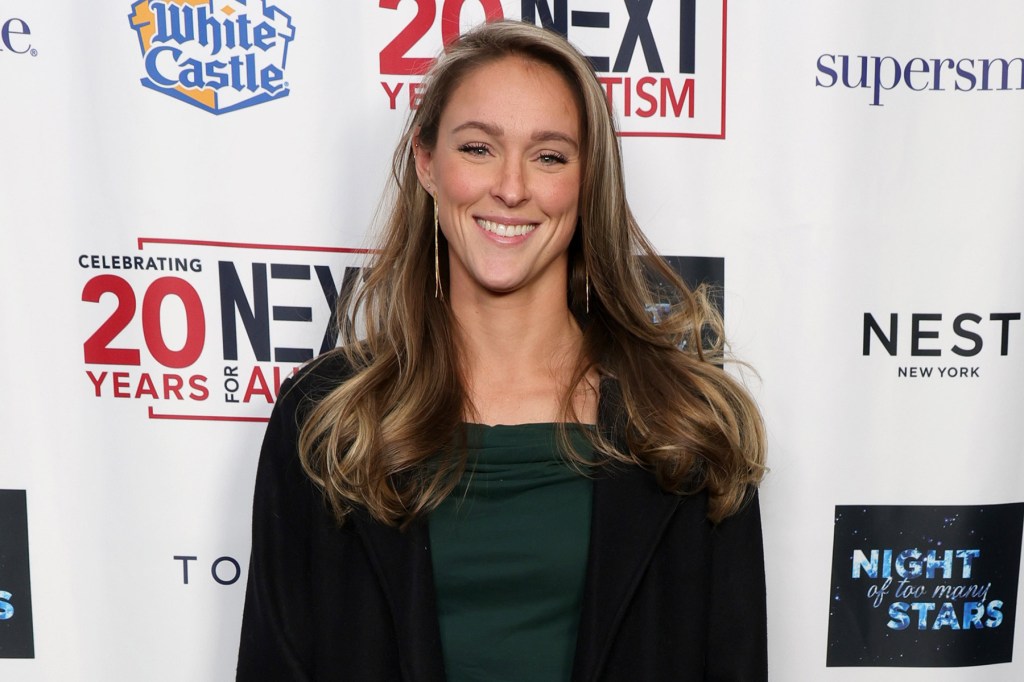
There was a brief pause in the roar of stadiums and arenas when Kylie Kelce, sister to NFL star Travis Kelce, gave a nod to Taylor Swift’s sly critique of male sports fans. What seemed like an offhand compliment quickly rippled into something more—a quiet challenge wrapped in admiration, stirring the simmering tension between two of America’s most fervent fanbases. Why would the sister of a football icon publicly praise a pop star who’s seemingly taking a jab at the sports world’s core demographic?
Swift’s comment wasn’t just a playful tease; it was a cultural arrow aimed at the often unexamined dynamics of male-dominated sports fandom. Kylie Kelce’s reaction signals a fracture line where music and sports collide, revealing questions about identity, influence, and whose voices get amplified in arenas both literal and metaphorical. As Kelce said, “It’s refreshing to see someone call out the obvious with such style,” but what’s the undercurrent beneath this surface cheer?
A Clash of Crowds, A Dance of Power
When sports meet music, it’s rarely just entertainment. It’s a battleground for cultural narratives where masculinity and fandom intertwine in unpredictable ways. Swift’s dig doesn’t just poke fun; it disrupts the unchallenged reverence for sports culture. And Kelce’s endorsement? It flips the script—acknowledging that critique can come from within the tribe. This collision asks us: Who controls the story of fandom, and how do those stories evolve when pop culture icons speak truth to sports power?
Between the Lines and Cheers
In this unfolding dialogue, Kylie Kelce’s words offer a rare bridge between worlds. “It’s about calling out behaviors while celebrating passion,” she notes, capturing a nuance often lost in fan rivalries. But is this moment a genuine shift or just another fleeting crossover, destined to be a footnote in celebrity soundbites? The interplay between Swift’s lyricism and Kelce’s endorsement hints at deeper questions about authenticity, performative allyship, and the changing landscape of fandom itself.
This isn’t simply about a pop star throwing shade or an NFL sister’s applause—it’s a mirror held up to culture’s complex intersections, where the personal becomes public and every comment carries the weight of unspoken histories. And as the applause fades, we’re left to wonder: How far will this unexpected conversation ripple? Who will listen when the music and the cheers finally find common ground?




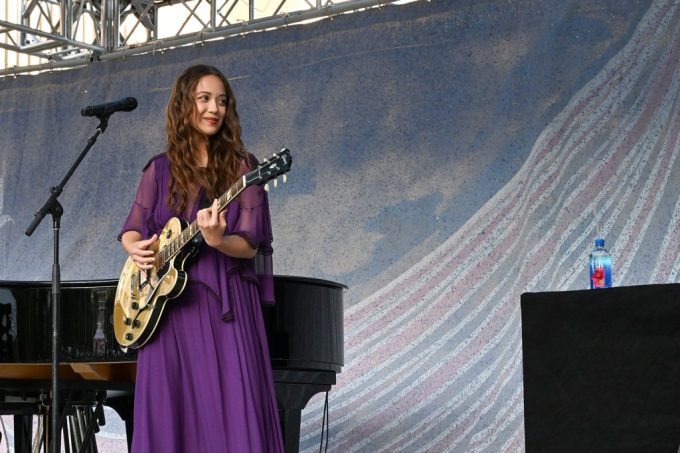
Laufey’s Opening Night Show at LA’s Crypto.com Arena: Best Moments
Laufey opened a two-night stand at Crypto.com Arena in downtown Los Angeles...
 Chris Marks6 Mins read
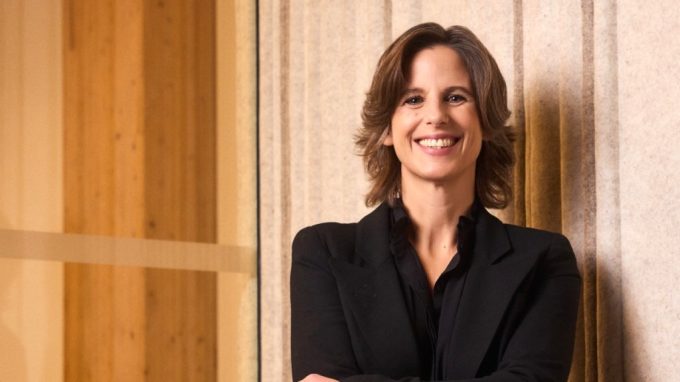
Julie Adam Is Billboard Canada Women in Music’s 2025 Exec of the Year
Julie Adam is having a milestone year — and it’s getting even...
Chris Marks4 Mins read
Spinal Tap Tribute Album with Foo Fighters,Tool for Teen Cancer America
Spinal Tap may be a fake band, but its music is very...
Chris Marks2 Mins read
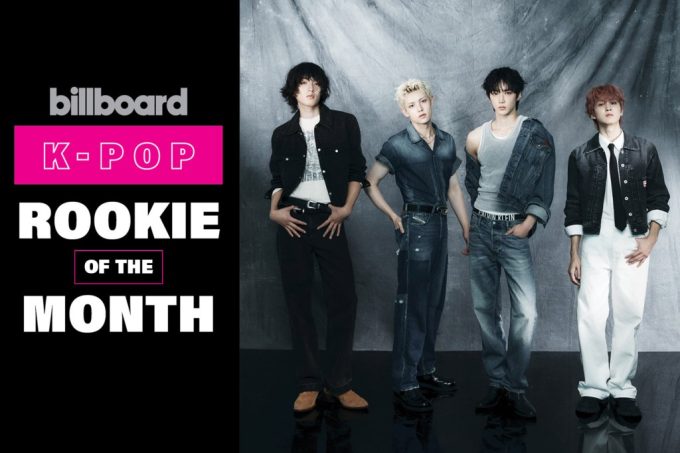
AxMxP Is K-Pop Rookie of the Month for September: Exclusive Photos
Ha Yoo Joon Image Credit: Chin Soyeon You debuted on Sept. 10....
Chris Marks2 Mins read





Leave a comment