

Kyrie Irving’s Exit: A Farewell to Shadows, Not to LeBron
Kyrie Irving insists he never disliked playing alongside LeBron James—but when the glare of expectation dims your identity, stepping away becomes the only way to find yourself again.
 Joseph BennettAugust 13, 20251 Mins read12
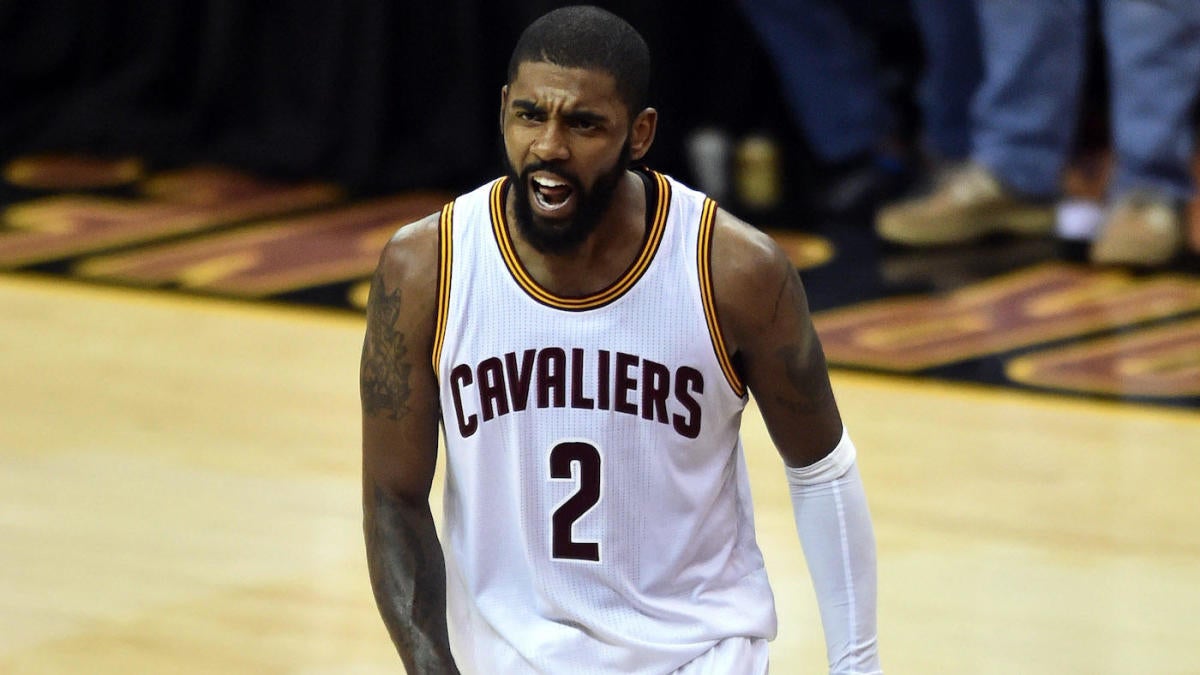
The glare of a championship spotlight can dazzle until it obscures your own glow. Kyrie Irving, once the young spark at the heart of Cleveland’s hopeful cosmos, says he “didn’t dislike playing with” LeBron James—but sometimes, brilliance demands distance from another star’s shine. His exit wasn’t a mutiny; it was a declaration of self.
Behind his elegant honesty lies a deeper truth: when every game is framed by comparisons and your narrative is co-authored by someone else’s legend, choosing solitude can be an act of survival—not rebellion, but restoration.
The Weight of Shared Light
Playing alongside a figure like LeBron is a rare honor—but its halo is heavy. “When you’re playing with someone like [him]… it’s a different animal,” Irving reflected in a Twitch stream commentary, describing the ceaseless media scrutiny and narrative pressures that shadow performance. He clarifies: “I didn’t dislike playing with [James]… it was just literally my time to move on.” It wasn’t offense, but exhaustion—of being perpetually defined, never seen.
He pushed against the notion that his move was about ego or rejection. “It’s not that I disliked playing with Bron at any time; it was just… my time to move on, and that’s what people gotta accept,” he told ClutchPoints.
From Collaboration to Individual Sovereignty
Irving’s departure underlined a shift from collective identity to individual intention. On First Take, he argued that “you don’t owe anything to another person in terms of figuring out what you want to do with your life”. In that moment, the conversation changed—not about loyalty, but about the right to choose peace and fulfillment over external scripts.
It’s not condemnation—it’s evolution.
Opting out of legend’s shadow isn’t refusal—it’s reclamation. Kyrie didn’t flee the final act; he simply sought a different stage. And in that choice, he offered us a question far deeper than basketball: When brilliance is shared, how do we claim our own?




Barcelona’s Fragile Pursuit: When Injuries Threaten More Than Just a Season
A silence spreads over Camp Nou that no roar can drown out—two...
 Chris Marks2 Mins read
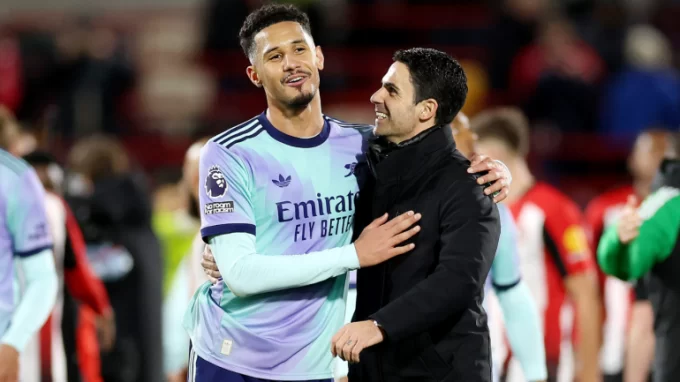
William Saliba: Arsenal’s Silent Architect or Its Greatest Gamble?
The air inside the Emirates shifts with unspoken tension—William Saliba, once a...
Joseph Bennett2 Mins read
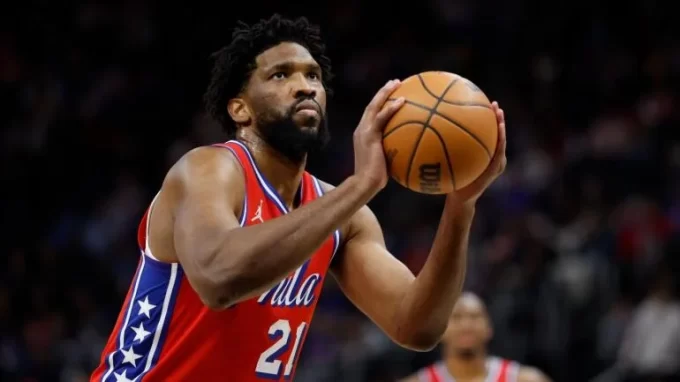
Joel Embiid’s Quiet Confidence: Is the 76ers’ Giant Ready to Rewrite His Story?
Joel Embiid is rarely one to make noise without purpose, and now,...
 Kirsten Collins1 Mins read
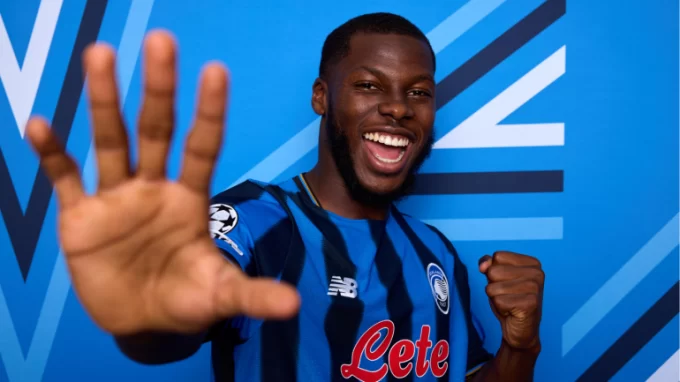
Juventus, Atalanta, and Arsenal’s Quiet Revolution: What’s Really Shaping This Week in Football?
The roar of Serie A stadiums masks a subtle shift, one that...
Kirsten Collins2 Mins read





Leave a comment