

Inheritance Storms: When Wealth Becomes Witness
Sarah MacLean trades Regency corsets for conspicuous wealth and family wounds in These Summer Storms, a contemporary firestorm that leaves readers both sizzling and unsettled.
 Chris MarksJuly 16, 20252 Mins read19
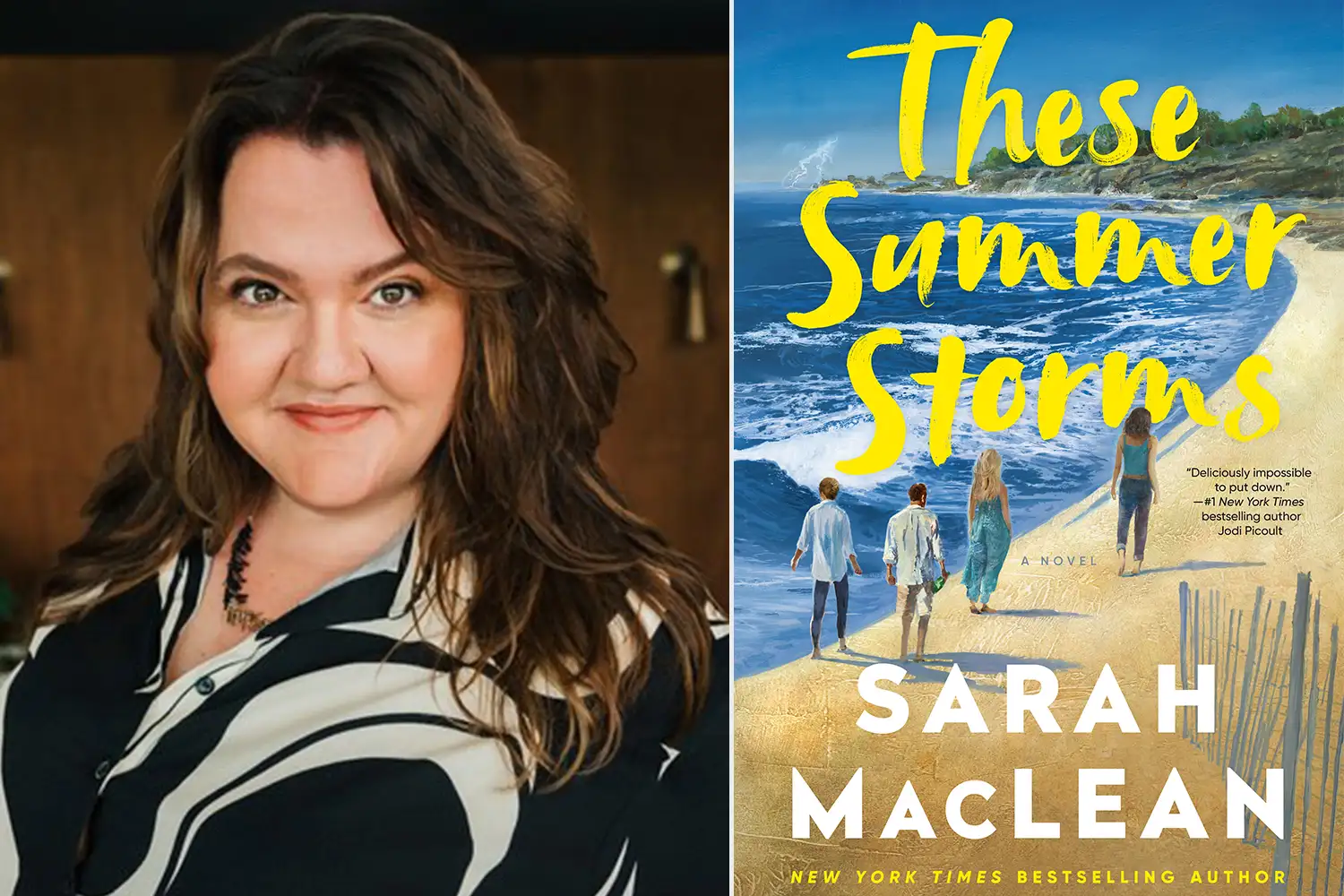
A ferry slices through gray Narragansett waters as Alice Storm returns to an island that felt safer when she was exiled—safe until the moment her father’s will turns grief into a gauntlet disguised as a game.
MacLean, goddess of historical romantica, reveals here a new darkness: the toxic sheen of privilege, the ache of sibling betrayal, and a leathery tension that hugs the air sharper than any summer thunder. Critics have called it “Succession meets Clue,” and they are right—but MacLean summons more than echoes: she conjures a tempest of human fragility gripping every character.
She isn’t abandoning romance—far from it. Beneath the howl of storms and inheritance edicts, an enemies‑to‑lovers spark simmers between Alice and Jack Dean, Franklin’s enigmatic fixer. One reviewer distilled it best: he’s “a hurricane that blows in from the ocean”.
Legacy Is a Loaded Gun
Family secrets feel less like plot points and more like emotional ammunition. Alice’s father, even dead, demands absolution and attention: their inheritance demands honesty, awkward praise at dinner, ritual confession. Each task is shaped to expose scars . “Siblings don’t just push your buttons, they install them,” MacLean muses—an admission that every eye roll, every silence, is encoded in childhood. The result? A literary scalpel dissecting family roles hardened under wealth and loss.
When the Storm Isn’t the Weather
The island itself becomes character—its shifting tides, tempestuous skies, and an ancient tree that watches silently, as if sentient. In MacLean’s hands, architecture feels conspiratorial, nature feels scornful, and emotional breakdowns feel taut enough to drown you. But while the narrative drips with atmosphere, the biggest storm is internal—Alice wrestling with her identity: runaway daughter turned prodigal, teacher turned heiress, rebel turned mourner—and a love interest who may be more inheritance than romance.
A Literary Pivot or Genre Blur?
MacLean calls this her “leap without a net”: she wrote 90,000 words before confessing she wasn’t writing a romance. Yet traditional romance pulses here—pacing honed by Dan Brown, emotional arcs shaped by Tuck Everlasting and Circe. It’s this hybrid currency that fuels the story: literary grit with genre heartbeat. Some critics note final momentum falters, yet others call it “impossible to put down”. Perhaps that’s the point: should weight ever dim desire?
So as the ferry pulls away and the island empties, you’re left wondering—is this inheritance game a catharsis or a trap? Does family ever heal on fortune’s terms—or is every apology just another clause waiting to be signed?
Sources:
Entertainment Weekly interview; AP, Library Journal, Kirkus, Library Journal, BookTrib reviews; Random House praise .








When “107 Days” Meets Outcry: Harris’s Book Tour Interrupted
The microphone crackled to life, and before Harris could finish her opening...
Chris Marks1 Mins read
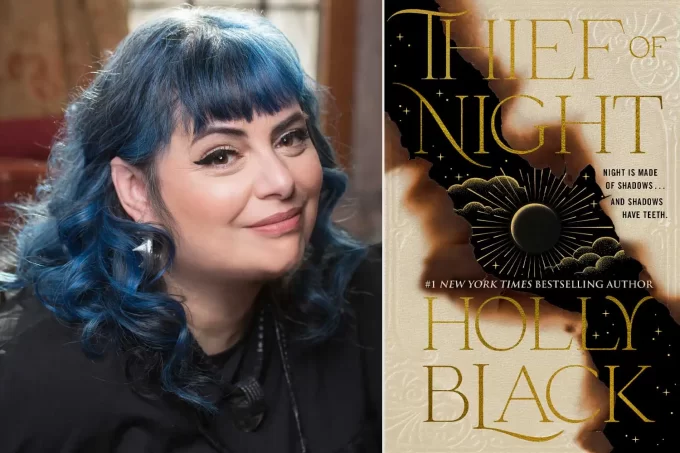
Whispers in the Shadows: Why Holly Black’s Sequel Is a Dark Invitation We Can’t Ignore
The night isn’t just dark—it’s ravenous, greedy, and it’s coming for you....
Chris Marks2 Mins read

Why Stephenie Meyer’s Regret About Edward Changes Everything You Thought You Knew
The moment Stephenie Meyer admitted she wouldn’t pick Edward Cullen today, a...
Chris Marks2 Mins read

When Fear, Fury & Feathers Collide: Cinema, Superheroes, and a Confessional Album
Open with tension—the kind that threads through a scream, a reveal, and...
Chris Marks2 Mins read





Leave a comment