

“Laundry Day” Cleans Up at American Black Film Festival—But What’s the Real Dirt?
The 2025 American Black Film Festival crowned its winners—and Laundry Day aired more than just dirty linen. As the Grand Jury Prize winner, the film sparked buzz about reconciliation, race, and storytelling that lingers long after the final credits roll.
 Krista FreelandApril 3, 20251 Mins read165

Sometimes, it’s the quietest loads that make the biggest noise. Laundry Day, an understated drama about race, trauma, and the uneasy art of reconciliation, walked away with the Grand Jury Prize for Best Narrative Feature at the 2025 American Black Film Festival—and suddenly, everybody’s re-watching their whites and questioning their history.
A Spin Cycle of Storytelling
At first glance, Laundry Day might sound like a Sunday chore. But don’t be fooled. Writer-director Chyna Robinson delivers a searing, slow-burn exploration of what happens when two families—one Black, one white—are forced into proximity by a shared history that still smells like bleach and bitterness.
Airing grief like garments on a backyard line, the film has the kind of intimate heat that sneaks up on you—wrinkling expectations, pressing hearts.
Dialogue That Doesn’t Flinch
One juror called it “a masterclass in discomfort and dialogue.” Another attendee was overheard saying, “I felt like I was eavesdropping on America’s therapy session.”
The performances are, in a word, raw. And that’s exactly why it works. There’s no monologue for the Oscar reel, no over-scripted zingers—just the kind of conversation that belongs behind closed doors, but needs to be heard out loud.
More Than a Festival Darling
ABFF has long served as a launchpad for filmmakers who dare to say what others won’t. But Laundry Day doesn’t just make a splash—it stains. The kind you can’t wash out. Not quickly, anyway.
Alongside Laundry Day, the festival also gave flowers to rising voices like Chandler Murphy (Chocolate with Sprinkles), who won Best Short Film, and Kyndra Kennedy, awarded Best Director for The Ballad of Tish and the Chief. The diversity of storytelling—from grief to glam, street corners to soul food kitchens—proves yet again that Black cinema contains multitudes.
What’s Next?
Here’s where things get curious. With awards buzz swirling, could Laundry Day earn a theatrical release or streaming deal? Will it become a centerpiece in America’s ongoing conversation about racial reckoning? Or will it remain an indie legend, whispered about in festivals and film schools?
The answer may depend on how willing audiences are to sit with their own discomfort.
So we ask: Can a film about laundry really change the cultural fabric? Or is reconciliation just another cycle on repeat?





Where Is Lawrence Jones on ‘Fox & Friends’? Health Update Amid Hiatus – Hollywood Life
Image Credit: Getty Images Fans of Lawrence Jones, a Fox & Friends...
 Kirsten Collins1 Mins read

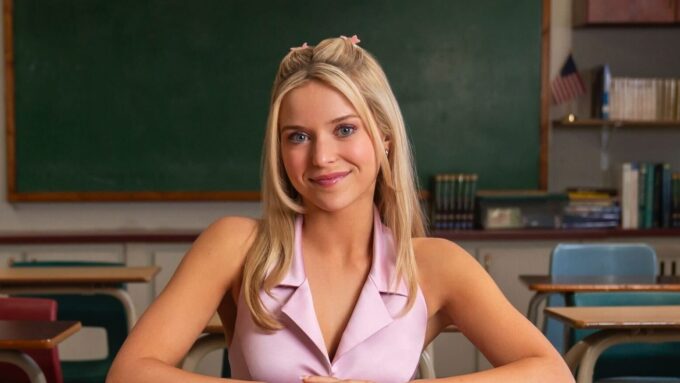
Who Is Lexi Minetree? 5 Things to Know About the ‘Elle’ Series Actress – Hollywood Life
View gallery Image Credit: Getty Images for Hello Sunshine Lexi Minetree plays...
Kirsten Collins2 Mins read
Release Date, Cast & Updates on ‘Elle’ – Hollywood Life
View gallery Image Credit: Courtesy of Prime Video What, like producing a...
Kirsten Collins2 Mins read
Updates on Academy Award Nominations – Hollywood Life
Image Credit: Warner Bros. Pictures Awards season kicked off earlier this month,...
Kirsten Collins2 Mins read




Leave a comment