

The Prince of Darkness Goes Quiet
Ozzy Osbourne has been laid to rest, not with stadium lights or Satanic smoke, but at home in England—private, profound, and strangely tender. The legacy he leaves is louder than ever.
 Krista FreelandAugust 1, 20252 Mins read24
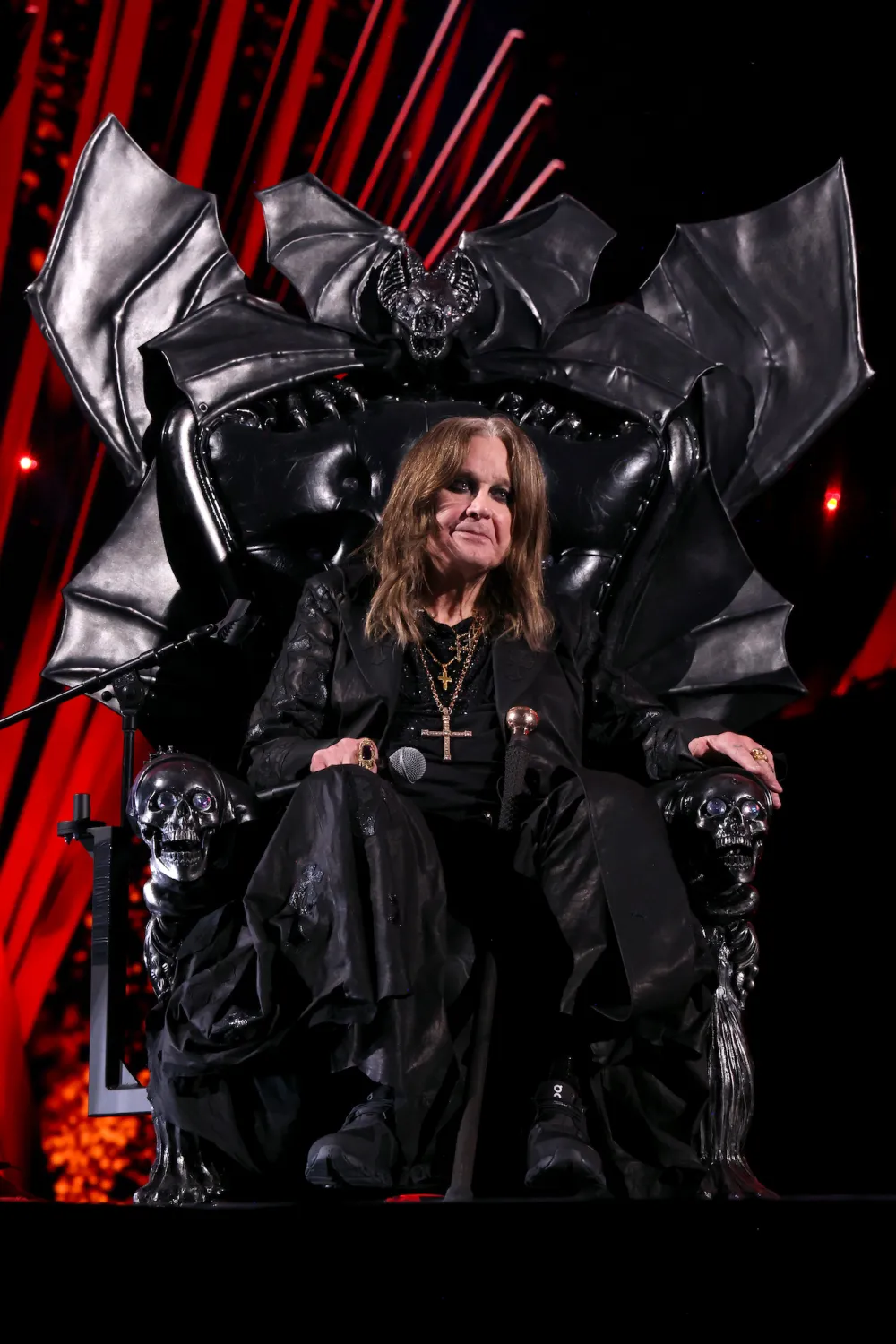
The man who once bit the head off a bat has now been buried under the stillness of English soil. No guitars wailed, no pyrotechnics exploded—just family, hedgerows, and the quiet hush of a final curtain no one expected to fall quite so softly. For someone whose life was an unfiltered scream, Ozzy Osbourne’s death was, ironically, an exhale.
At 75, the Prince of Darkness has finally returned to the country of his birth—his body laid to rest at the Osbourne family estate in Buckinghamshire. And while the tabloids might have hoped for fire and brimstone, the reality was more sacred than showbiz. This wasn’t a rock star’s funeral. It was something older, something mythic. A burial, not of ego, but of era.
A Voice That Refused to Die, Until It Did
Ozzy didn’t just change music; he rewired what fame could look like. He made chaos a language, made noise a message. Yet in the end, his exit wasn’t a grand finale. It was a whisper. A move back to England, a slow withdrawal from the American circus, and a quiet death behind closed doors. We don’t know who was there, or what was said. And maybe that’s the gift he left us: mystery, in a world that now insists on oversharing.
There’s something intimate—disarming, even—about imagining Ozzy not as the demon of MTV lore but as a man, pale and tired, surrounded by family and fields. Sharon once said, “He’s not the devil. He’s just trying to survive.” And in that quote lies the tension of his legacy: the wildness was always camouflage. The mayhem, a mask for a boy from Birmingham who never quite believed he deserved the spotlight.
The End of Noise, or the Beginning of Echo?
Death has a way of rebranding icons. What felt grotesque becomes gothic; what seemed absurd, almost poetic. Now that he’s gone, we’ll probably turn Ozzy into something cleaner, safer—an elder statesman of metal, a misunderstood genius. But that would be a betrayal. He wasn’t clean. He was cracked. That’s why we loved him.
And what happens now? Do we canonize him with Elvis and Bowie? Do we bury him in bronze and documentaries, or do we let the silence after him say more than any tribute ever could? There’s a risk in nostalgia—it can turn rebellion into relic. But perhaps, in dying so quietly, Ozzy gave us one last jolt: the reminder that rock was never about perfection. It was about rupture.
There are no plans for a televised tribute. No stadium-sized sendoff. Just a gravestone, probably plain. Maybe it says “Father.” Maybe it says “Madman.” Maybe it just says “Ozzy.”
But somewhere—maybe on a rainy afternoon in Birmingham, maybe inside the locked cabinet of an old tour bus—his scream is still echoing.







When Mercy Meets Tragedy: The Widow Who Forgave Her Husband’s Killer
The air thickens when forgiveness enters a room meant for grief. Imagine...
 Chris Marks1 Mins read

When Fear Became a Lifeline: Pete Davidson’s Reckoning in Rehab
There’s a silence that follows a mother’s voice when she confesses her...
 Joseph Bennett1 Mins read

Pete Davidson’s mom told him in rehab worst fear was learning he died
Pete Davidson is opening up about the heartbreaking moment he had with...
Chris Marks2 Mins read

Katie Couric’s Unexpected Spin on Sydney Sweeney’s American Eagle Ad: What’s Really Being Said?
Katie Couric stepping into a scene dominated by Gen Z glamour feels...
Krista Freeland2 Mins read





Leave a comment