

When LeBron Looks Away: Who Really Runs the Lakers Now?
In a move that feels more like royal succession than contract negotiation, Luka Dončić is being whispered as the Lakers' next king—with LeBron James watching, not resisting. But what’s really being passed down here?
 Krista FreelandAugust 4, 20252 Mins read24
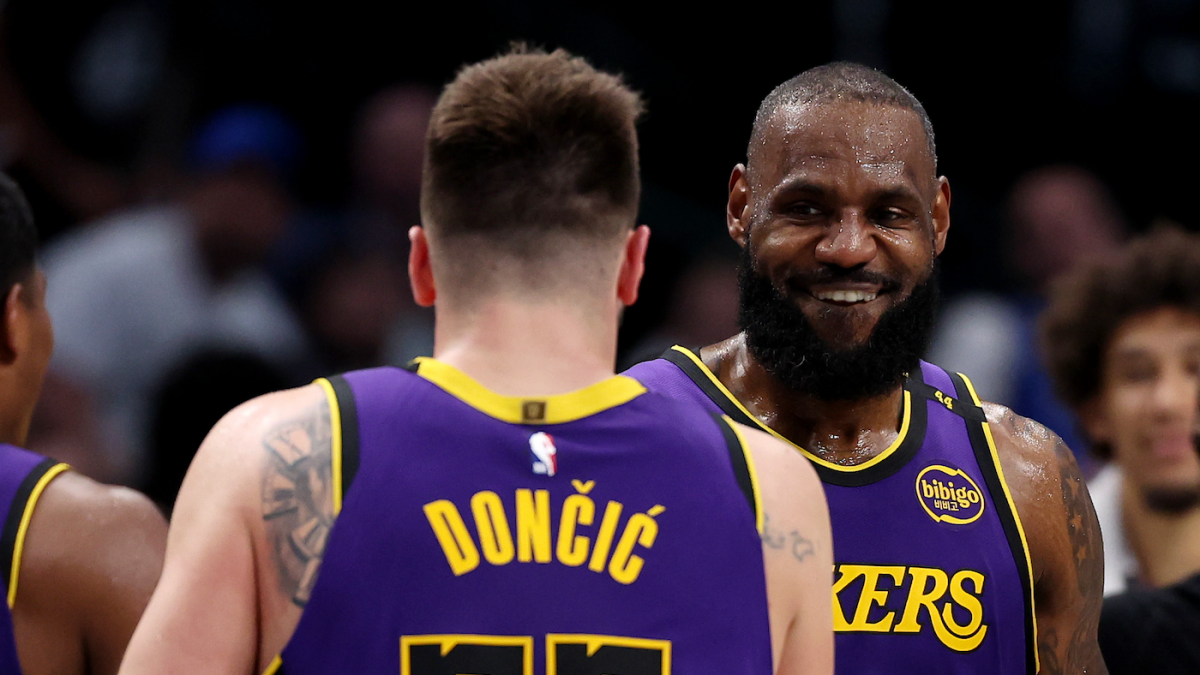
The marble floors of the Crypto.com Arena still gleam with the echoes of LeBron James’s era—his gravity, his governance, his flair for both the theatrical and the strategic. But something shifted this offseason. And not with a bang. With a murmur.
Luka Dončić—brilliant, volatile, undeniably Gen Z—is reportedly in talks for a contract extension that would not only bring him to the Lakers, but place him squarely at its center. The phrase floated in the ether like cologne: Face of the franchise. And perhaps what’s more arresting than the deal itself is LeBron’s response. Or lack thereof.
“LeBron is supportive,” the report reads, as if that statement doesn’t open more doors than it closes.
The Crown Is Heavy, But It’s Sliding
Supportive. A word used when kingdoms change hands and monarchs pretend not to care. Is LeBron, who built a second career crafting power narratives on and off the court, truly ready to fade into the silk shadows of legacy? Or is this another masterstroke in his campaign to exit the throne on his own terms?
The NBA has never been short on drama, but this moment feels Shakespearean. Luka, still only 26, is a tempest—electrifying, unpredictable, prone to brilliance and tantrum in the same possession. He’s not LeBron 2.0. He’s something more dangerous: unfiltered, untamed, and already worshipped.
And yet, the Lakers want him. Not as an apprentice. As heir.
But if Luka is king-in-waiting, who—really—is writing the new rules?
Legacy Is a Fragile Thing in Los Angeles
There’s a certain irony to this: that in the very city where icons are canonized by billboards and bronze, power still moves in whispers. The Lakers aren’t just a basketball team; they’re a cultural institution. And yet the choice to pivot from LeBron to Luka speaks volumes about the era we’re entering.
Youth is no longer merely fast—it’s viral. And LeBron, for all his accolades, may be realizing that even empires don’t trend forever.
The franchise isn’t just betting on Luka’s talent. They’re betting on the idea that unpredictability is the new charisma. They’re betting that fans don’t want a leader—they want a spectacle.
And in that spectacle, where does LeBron James—the master of narrative control, the curator of his own mythology—truly stand?
Perhaps, as the quiet architect of his own eclipse.
The corridors of power in sports are never silent—they’re padded with smiles, softened statements, and carefully leaked support. LeBron doesn’t need to rage or resist. He simply needs to step to the side… and let the audience wonder why.





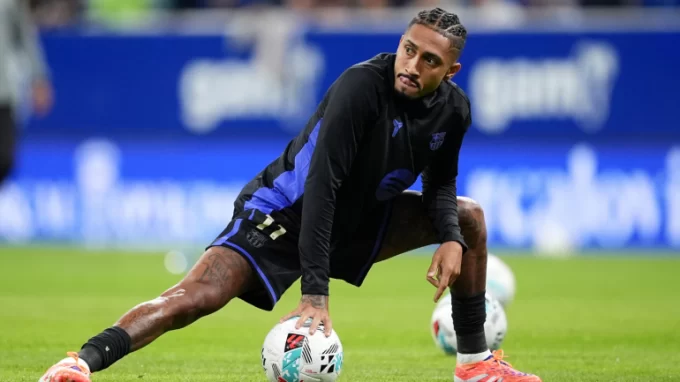
Barcelona’s Fragile Pursuit: When Injuries Threaten More Than Just a Season
A silence spreads over Camp Nou that no roar can drown out—two...
 Chris Marks2 Mins read
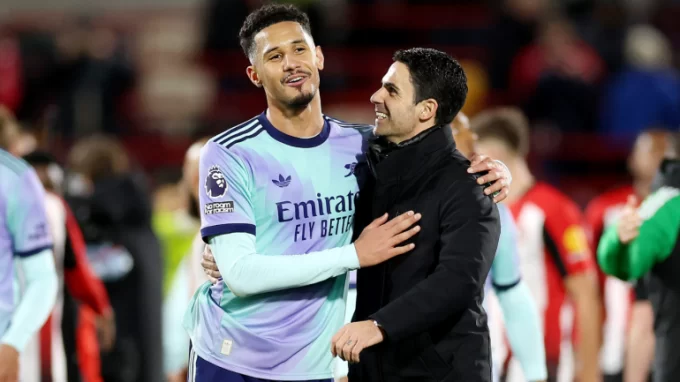
William Saliba: Arsenal’s Silent Architect or Its Greatest Gamble?
The air inside the Emirates shifts with unspoken tension—William Saliba, once a...
 Joseph Bennett2 Mins read
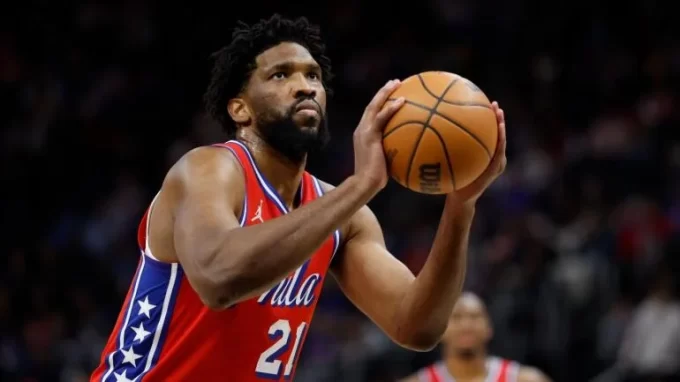
Joel Embiid’s Quiet Confidence: Is the 76ers’ Giant Ready to Rewrite His Story?
Joel Embiid is rarely one to make noise without purpose, and now,...
 Kirsten Collins1 Mins read
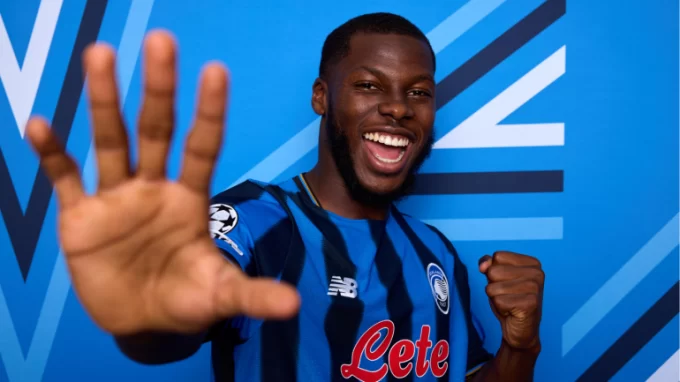
Juventus, Atalanta, and Arsenal’s Quiet Revolution: What’s Really Shaping This Week in Football?
The roar of Serie A stadiums masks a subtle shift, one that...
Kirsten Collins2 Mins read





Leave a comment