

The Art of the Evasive Yes: Lewis Pullman’s Most Telling Silence
Lewis Pullman isn’t denying the romance with Kaia Gerber—he’s sculpting its silence. In the age of oversharing, coyness is the new confession.
 Chris MarksApril 29, 20252 Mins read268
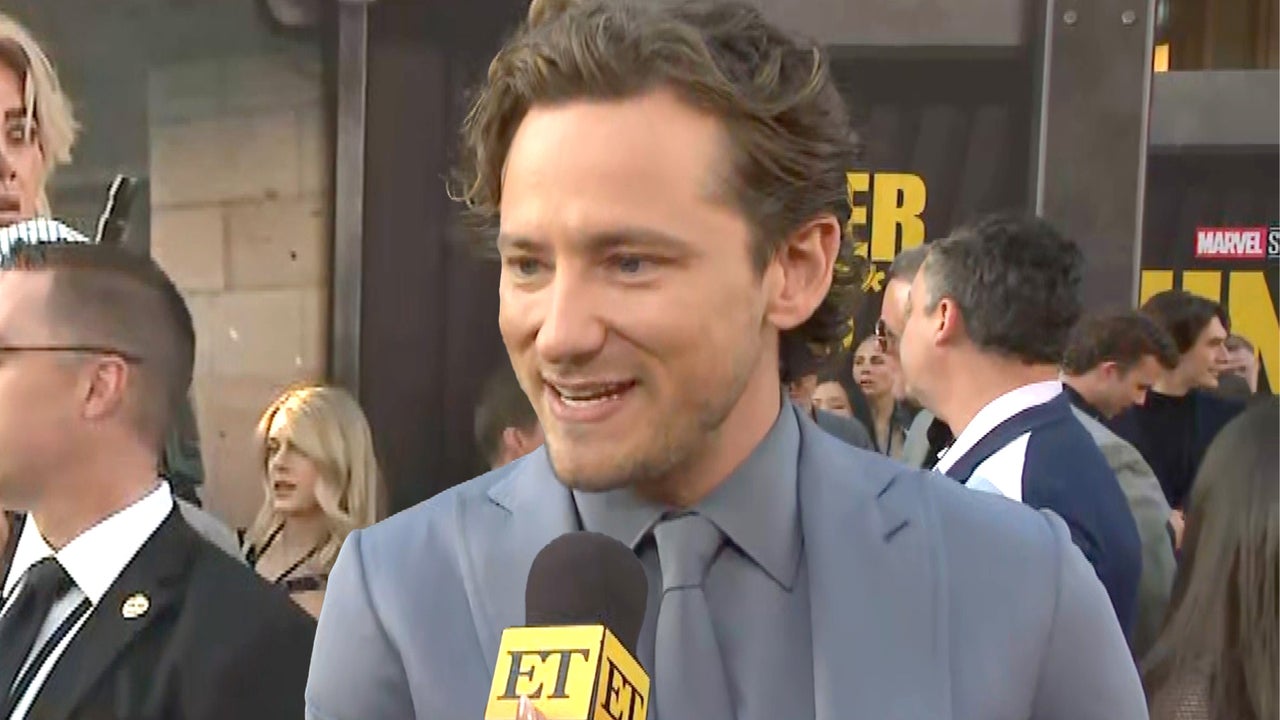
He leaned back, smirked slightly, and let the question linger in the air like perfume that was never meant to be caught—just noticed. “I don’t think I want to talk about that,” Lewis Pullman said when asked about Kaia Gerber. But his pause—perfect, practiced, precise—was longer than his answer. And in Hollywood, the pause says everything.
There’s something strangely elegant about watching a man trained in press junket etiquette dodge a question not with denial, but with decorum. At a time when headlines scream, tweets overshare, and PR teams spin, Pullman’s approach feels almost romantic in its restraint. He isn’t confirming the romance. He’s performing the ambiguity.
When Charm Is a Cloak
We’ve seen this move before: the non-answer that functions as both a nod and a shield. Pullman, son of a Hollywood legacy and inheritor of a new kind of fame, wears discretion like bespoke tailoring—custom, calculated, and cut with just enough room for fantasy. He’s not deflecting; he’s inviting speculation. And in doing so, he gives the public what it truly wants: a story it can imagine.
“It’s just funny to me,” he said of the rumors, eyes darting briefly before regaining their poker-face glow. There was no irritation, no amusement, just a performance of distance. This isn’t shyness—it’s strategy. Because in a culture that dissects everything, the most radical act might be to say nothing with style.
Romance, Rewritten for the Tabloids
Kaia Gerber is no stranger to the media maze either. A supermodel born into superstardom, her dating life has been tracked like weather patterns. But when her name surfaces next to Pullman’s, something shifts. It’s not scandalous, it’s not staged—it’s slippery. The pair are less a couple than a concept, a projection, a curated fog of modern Hollywood pairing.
Perhaps that’s the point. To be rumored is to remain relevant. To be unclear is to remain intriguing. And Pullman, whether by instinct or intention, understands that mystery is currency—and every “no comment” is worth more than a headline ever could be.
He offered nothing, really. And yet, somehow, we walked away with more questions than answers.
Maybe that’s love in the age of the asterisk—an unspoken agreement between the famous and the curious. Or maybe it’s just another act, waiting for its final scene.
Would you like a follow-up piece exploring how media training shapes celebrity mystique today?






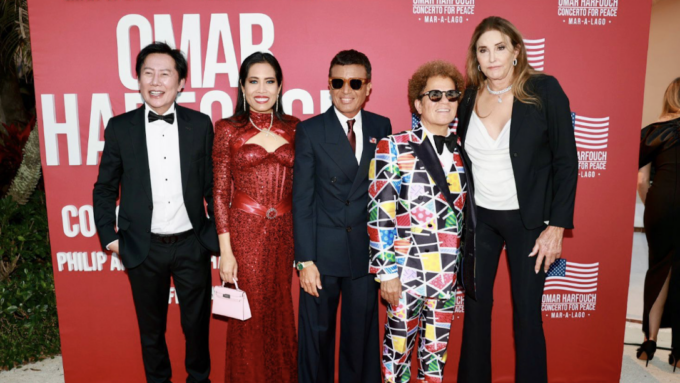
Pianist Omar Harfouch Brings Celebrated Figures Together for a Night of Cultural Exchange – Hollywood Life
Image Credit: Omar Harfouch On February 20, 2026, pianist and cultural figure...
 Kirsten Collins2 Mins read
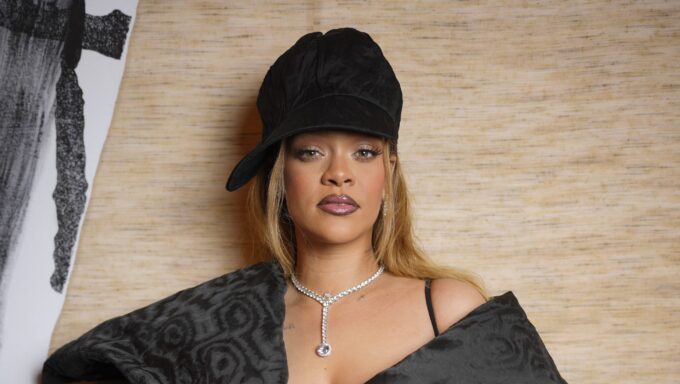
Who Is Ivana Lisette Ortiz? About the Rihanna Home Shooting Suspect – Hollywood Life
Image Credit: WWD via Getty Images The suspect in the March 8,...
Kirsten Collins1 Mins read
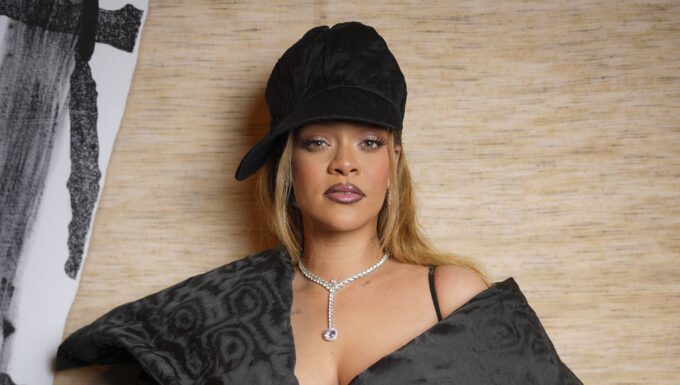
How Much Money Does She Have Now? – Hollywood Life
Image Credit: WWD via Getty Images Rihanna may be known as one...
Kirsten Collins2 Mins read
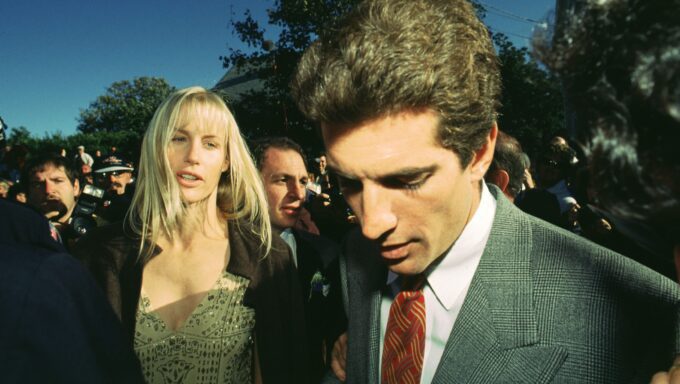
Stars Who Slammed ‘Love Story: JFK Jr. & Carolyn Bessette’: Statements – Hollywood Life
Image Credit: Getty Images FX’s Love Story: John F. Kennedy Jr. and...
Kirsten Collins2 Mins read





Leave a comment